Why Do Chip Shortages Happen? How Semiconductors Became Geopolitical
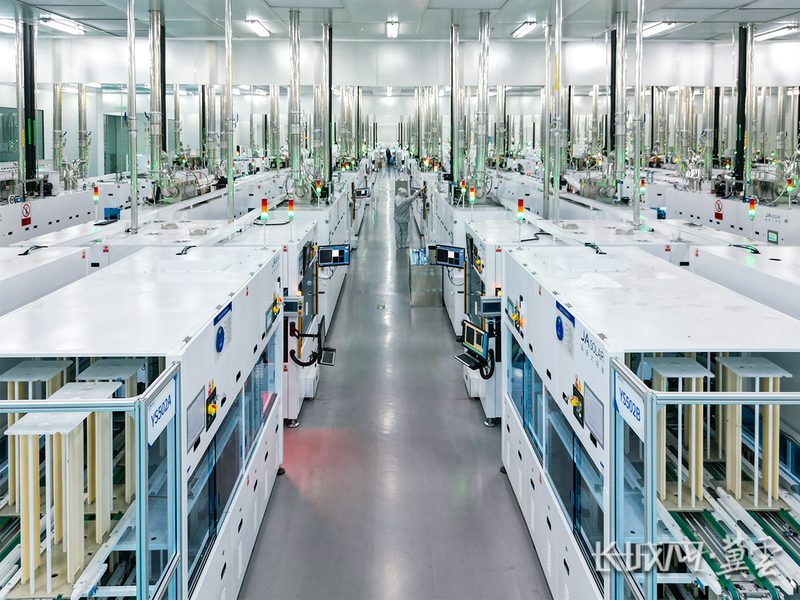
In 2021, car factories from Detroit to Chennai fell silent, not for lack of steel or workers, but for lack of chips worth a few dollars each. Waiting lists for new cars stretched to a year, used car prices soared, and the humble microcontroller became front-page news. The great chip shortage shocked a world that had assumed semiconductors, like electricity, would simply always be there. It also revealed an uncomfortable truth: the supply chain for the most important manufactured product on earth is fragile, concentrated and increasingly treated as a weapon of geopolitics. Here is why chip shortages happen and why they keep happening.
Why did the 2021 chip shortage happen?
The shortage was a cascade of miscalculations colliding. When the pandemic hit in 2020, carmakers cancelled chip orders, expecting a slump; instead, locked-down consumers bought laptops, consoles and cars in record numbers, and the cancelled orders could not be reinstated because fab capacity had been reallocated. Simultaneously, a drought in Taiwan threatened the ultrapure water fabs depend on, a fire hit a key Japanese chip plant, and a freeze shut Texas factories. Underneath it all lay a structural mismatch: the industry had spent years underinvesting in mature-node capacity for the unglamorous chips cars and appliances use, while pouring money into leading-edge smartphone processors. Demand snapped back faster than supply could respond, because adding chip capacity takes years, not months.
Why can’t supply just scale up quickly?
Chip supply is the least elastic in manufacturing. Building a new fab takes three to five years and tens of billions of dollars. The equipment has lead times of a year or more; ASML’s lithography machines are back-ordered far into the future. The specialised chemicals, gases and substrates come from a handful of suppliers. And skilled engineers cannot be hired overnight. This means the industry plans capacity years ahead based on forecasts, and forecasts are frequently wrong. When demand overshoots, there is no spare tap to turn: every fab on earth already runs near full utilisation in a boom. Prices spike, allocation replaces open ordering, and the smallest buyers, often makers of essential but low-margin products, get cut off first.
How did chips become geopolitical?
Semiconductors are now treated as strategic assets on par with oil. The concentration is extreme: Taiwan makes the majority of the world’s advanced logic chips, South Korea dominates memory, the Netherlands holds a monopoly on EUV lithography, and America controls key design software and chip architectures. Governments concluded that this concentration is a vulnerability. The United States restricted exports of advanced chips and chipmaking equipment to China, China retaliated with controls on gallium and germanium, critical chip materials it dominates, and both sides plus Europe, Japan, South Korea and India launched subsidy programmes worth hundreds of billions to build domestic capacity. Chips became bargaining chips in the literal sense: access to them is leverage, and every major power now wants its own supply.
What are countries doing about it?
The response has been a global subsidy race.
- The US CHIPS Act committed tens of billions to domestic fabs, drawing TSMC, Samsung and Intel to build on American soil.
- The EU Chips Act aims to double Europe’s share of global production with its own incentive packages.
- Japan and South Korea are subsidising domestic and allied capacity to secure their positions in the supply chain.
- China is pouring state funds into mature-node capacity and equipment independence, already becoming dominant in less-advanced chips.
- India’s semiconductor mission offers capital support for fabs and chip assembly units, with projects advancing in Gujarat and Assam.
Whether this produces resilience or overcapacity is the industry’s great open question; chip history suggests booms in fab construction often end in gluts.
Will shortages happen again?
Almost certainly, in some form. The structural features that cause shortages have not changed: long lead times, concentrated production, and demand that swings with economic cycles and technology waves. The AI boom is the next stress test, straining supplies of advanced memory and packaging capacity. Mature-node chips for cars and industrial equipment remain vulnerable because they earn thinner margins and attract less investment. What has changed is awareness: carmakers now stockpile critical chips, governments track supply chains, and companies dual-source where they can. The next shortage may be managed better, but the physics of building fabs in years while demand moves in months guarantees the cycle will repeat.
FAQs
Why were cars hit hardest in 2021? Carmakers cancelled orders early in the pandemic, use many low-margin mature-node chips that fabs deprioritised, and run just-in-time supply chains with minimal inventory. All three choices backfired at once.
Can India make its own chips now? Assembly and testing units are coming up first; full leading-edge fabrication remains years away and enormously expensive. Mature-node production is the realistic near-term goal.
Are chip prices still high? They normalised for most consumer products by 2023-24, but specialised chips, especially for AI, remain tight and expensive.
The chip shortage taught the world that the digital economy rests on a physical supply chain of astonishing fragility. Semiconductors spent fifty years becoming cheap and invisible; they have now become expensive and political. Understanding why they run short is understanding one of the defining economic forces of our time.
Compiled by the Khabar 24h Editorial Desk from publicly available sources.

Khabar 24h Editorial Desk — our explainers are prepared by the Khabar 24h editorial team using AI-assisted research tools, and every piece is reviewed by a human editor before publishing. We do not claim original reporting: our work is turning complex topics into simple, accurate summaries. Spotted an error? Write to contact@khabar24h.com — our corrections policy aims for same-day review.
More from this author →