The World Bank Explained: How It Funds Development Across the Globe
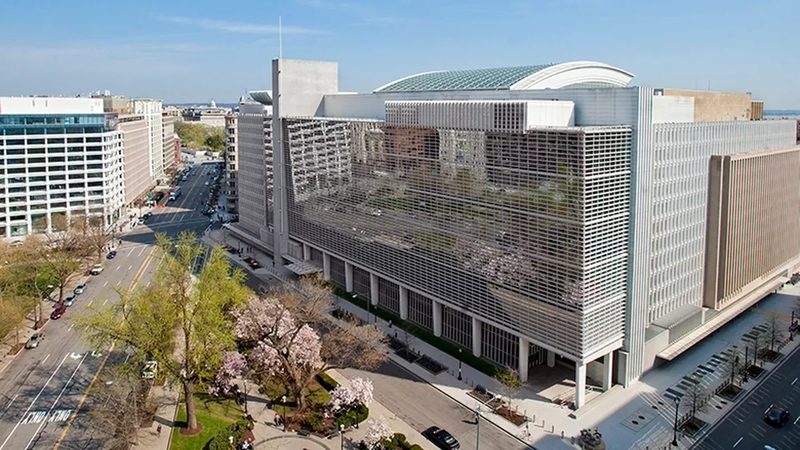
The World Bank is the biggest single source of development finance on earth, lending over 100 billion dollars a year for everything from highways in India to vaccines in Africa. Born alongside the IMF at Bretton Woods, it was created to rebuild war-shattered Europe and then turned to fighting poverty in the developing world. Today it is both celebrated for lifting millions out of poverty and condemned for funding projects that displaced them. This explainer shows how the Bank works, where its money comes from, and why it remains so controversial.
What the World Bank does
The Bank is actually a group of five institutions, but its core is the IBRD, which lends to middle-income governments at near-market rates, and IDA, which gives low-income countries cheap loans and grants. It finances infrastructure, health, education, agriculture and climate projects, and increasingly provides budget support and technical advice rather than just bricks and mortar. The model is that Bank money, combined with its expertise and standards, can unlock far larger flows of private investment. Landmark successes include the Green Revolution support in South Asia, smallpox-adjacent health campaigns, and massive school-building drives.
Where the money comes from
Unlike a charity, the Bank mostly lends money it borrows itself. Backed by guarantees from its 189 shareholder governments, it issues bonds on global markets at triple-A rates and on-lends to developing countries more cheaply than they could borrow alone. IDA, the soft-loan arm for the poorest countries, is different: it depends on donor replenishments every three years, when rich countries pledge billions. The United States is the largest shareholder and, by unwritten tradition, always names the Bank’s president, a convention developing countries increasingly resent.
How a project gets funded
A World Bank project begins with a government request and years of preparation: feasibility studies, environmental and social impact assessments, and negotiations over procurement rules. Once approved by the Bank’s board, money flows against verified milestones, with supervision missions checking progress. The Bank’s safeguard policies, on resettlement, indigenous peoples, forests and more, are meant to prevent harm, and they are among the strictest in development finance. In practice, enforcement has been uneven, and the Bank’s own inspection panel has upheld complaints from communities harmed by projects it funded.
- Annual commitments exceed 100 billion dollars across the World Bank Group.
- IDA serves 75 of the world’s poorest countries with grants and near-zero-interest loans.
- The Bank raises most of its funds by issuing bonds on international capital markets.
- The IFC, its private-sector arm, invests directly in companies in developing countries.
Why critics attack it
The Bank’s rap sheet, as critics see it: mega-dams that displaced millions, like Narmada in India; structural adjustment loans in the 1980s-90s that forced austerity on the poor; and a Washington-knows-best culture that ignored local knowledge. Environmentalists, human rights groups and displaced communities have staged decades of protest. The Bank has responded with reforms: safeguards, an inspection panel, a greater focus on poverty and climate, and rhetoric about country ownership. Defenders note that imperfect development finance beats none, and that the Bank’s standards, however flawed, exceed those of newer lenders like China.
The China challenge
The Bank no longer monopolises development finance. China’s Belt and Road Initiative has lent hundreds of billions, often faster and with fewer conditions, winning borrowers who chafe at Bank bureaucracy. The Bank’s answer has been to emphasise quality: transparency, debt sustainability, environmental standards, arguing that cheap Chinese loans have left countries like Sri Lanka and Zambia in debt traps. The competition has forced the Bank to speed up and focus, including a major push into climate finance and pandemic preparedness. The era of the Bank as the only game in town is over; the era of it as the standard-setter has begun.
FAQs
Is the World Bank a bank? It borrows on markets and lends to governments, but its mission is development, not profit; its soft-loan arm IDA is funded by donor governments.
Who runs the World Bank? Its 189 member countries are shareholders; the US is the largest and by tradition nominates the president.
Does World Bank money reach the poor? Studies show Bank projects have cut poverty significantly, but benefits are uneven and some projects have harmed vulnerable communities.
Eight decades on, the World Bank remains the heavyweight of development finance: imperfect, bureaucratic, occasionally harmful, and still indispensable. In a world of competing lenders and cascading crises, its standards may matter more than its loans.
Compiled by the Khabar 24h Editorial Desk from publicly available sources.

Khabar 24h Editorial Desk — our explainers are prepared by the Khabar 24h editorial team using AI-assisted research tools, and every piece is reviewed by a human editor before publishing. We do not claim original reporting: our work is turning complex topics into simple, accurate summaries. Spotted an error? Write to contact@khabar24h.com — our corrections policy aims for same-day review.
More from this author →