How Smartphone Cameras Work: Sensors, Pixels and Computational Photography
The best camera is the one you have with you, and the one you have with you is a triumph of engineering: a device thinner than a finger that captures images rivalling dedicated cameras from a decade ago. Yet the megapixel numbers on the box explain almost nothing about why one phone takes beautiful night shots while another produces mush. This guide explains how smartphone cameras actually work: the sensor, the pixels, the lenses, and the computational photography that does half the magic invisibly.
From light to digital: the sensor
Every photo begins with the image sensor, a silicon chip covered in millions of light-sensitive sites called photosites, each corresponding to a pixel in the final image. When you press the shutter, the lens focuses light onto the sensor, each photosite counts the photons hitting it, and the counts become brightness values. The single most important camera specification is sensor size, not megapixels: a larger sensor gathers more light per photosite, producing cleaner images with less noise, especially in dim conditions. This is why a 12MP camera with a large sensor routinely beats a 108MP camera with a tiny one. Flagship phones now use sensors approaching one inch in size, an astonishing feat of miniaturisation that explains their leap in night photography.
Pixels, binning and why more is not better
Megapixels measure resolution, how many pixels make up the image, not quality. Cramming more pixels onto a small sensor makes each pixel smaller and less light-sensitive, which is why the industry invented pixel binning: high-resolution sensors that combine groups of pixels, typically four or nine, into one large super-pixel for everyday shooting, and use the full resolution only in bright light where detail matters. A 50MP sensor that bins down to 12.5MP is effectively a 12.5MP camera with excellent light-gathering most of the time. So when comparing cameras, ask about sensor size and pixel size in microns first; treat the headline megapixel number as a secondary detail.
Lenses: the multi-camera system
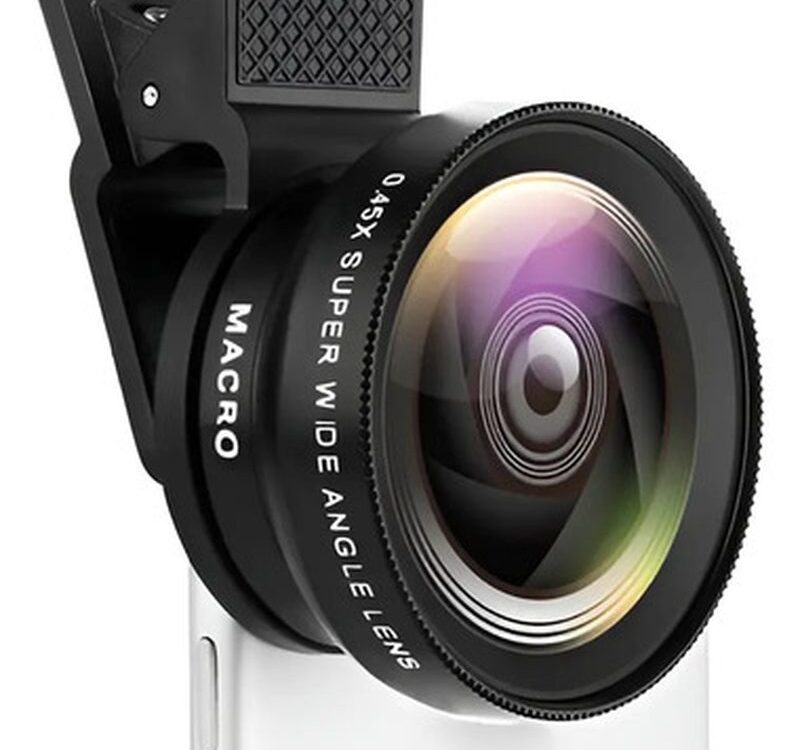
Since phones cannot fit a zoom lens, they use multiple fixed cameras. The main wide camera handles most shots and gets the best sensor. The ultrawide captures landscapes, architecture and group photos with its dramatic field of view. The telephoto provides optical zoom, 2x to 5x on most phones, using a longer lens rather than digital cropping for genuinely sharper distant shots. Periscope telephotos fold the light path sideways to fit extreme zoom into thin bodies. Macro cameras on budget phones are often low-quality filler; flagships achieve macro through the ultrawide instead. Optical image stabilisation, which physically moves lens elements to counteract hand shake, matters enormously for night shots and video; electronic stabilisation helps but cannot match it.
Computational photography: the invisible half
Modern phone photography is as much software as optics. When you press the shutter, the phone actually captures a burst of frames in a fraction of a second and fuses them: aligning the images, averaging out noise, extending dynamic range so skies and shadows both retain detail. Night mode extends this to seconds-long captures. Portrait mode uses depth estimation to blur backgrounds convincingly. HDR, high dynamic range, is now automatic. AI enhances details, recognises scenes and optimises settings per subject. This pipeline, tuned differently by every manufacturer, is why two phones with similar hardware produce visibly different photos, and why software updates can meaningfully improve a camera you already own.
How to judge a phone camera before buying
Ignore the marketing and evaluate like a reviewer.
- Check sensor size and aperture of the main camera, not the megapixel count.
- Look for optical image stabilisation on the main and telephoto cameras.
- Examine real sample photos in reviews, especially night shots and portraits, from the exact model.
- Test the cameras you will actually use; ultrawide and telephoto quality varies wildly.
- Consider video: 4K with good stabilisation matters if you shoot video often.
- Remember software: brands with strong computational photography punch above their hardware weight.
The camera system is a chain, and it is only as strong as its weakest link.
FAQs
Is a 200MP camera better than a 50MP one? Not necessarily. Sensor size, pixel size, lens quality and processing matter more. Very high resolution helps only in bright light or heavy cropping.
What is the most important camera feature? A large main sensor with optical stabilisation. It determines the quality of the vast majority of your photos.
Do I need a telephoto camera? If you photograph distant subjects, children on stage, wildlife, sports, optical zoom is transformative. If not, a good main camera suffices.
Smartphone cameras are where physics meets software: tiny sensors and lenses elevated by extraordinary computation. Understanding the sensor, the pixels and the processing turns you from a megapixel-counting shopper into someone who can spot a genuinely great camera before spending a rupee.
Source: GSMArena

Khabar 24h Editorial Desk — our explainers are prepared by the Khabar 24h editorial team using AI-assisted research tools, and every piece is reviewed by a human editor before publishing. We do not claim original reporting: our work is turning complex topics into simple, accurate summaries. Spotted an error? Write to contact@khabar24h.com — our corrections policy aims for same-day review.
More from this author →