How Sports Scholarships Work in India: Eligibility and Application Guide
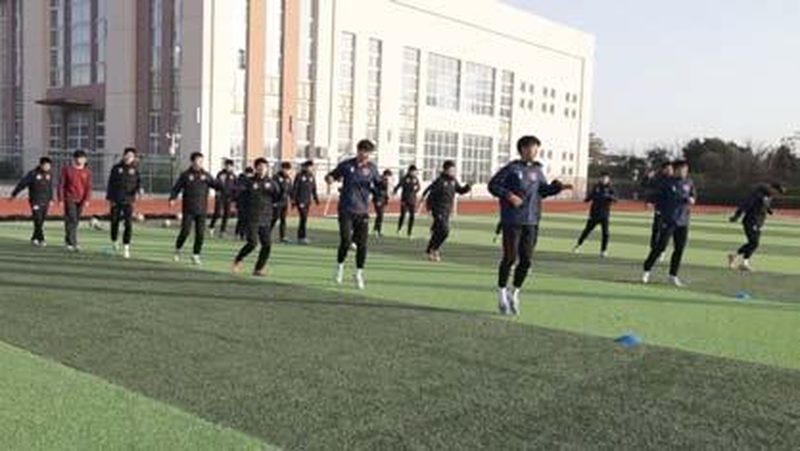
For talented young athletes, scholarships can be the difference between pursuing sport and abandoning it. India offers a patchwork of sports scholarships: government grants, federation support, college admission quotas and private sponsorships, each with its own eligibility rules and application process. Navigating the patchwork is itself a skill. This guide maps the landscape and explains how to apply.
What government scholarships exist?
The central government’s flagship is the Khelo India athlete programme: selected athletes receive five lakh rupees annually for training expenses. The Target Olympic Podium Scheme supports elite prospects with customised funding that can run into crores for top medal hopes. The Sports Authority of India’s schemes fund training at its centres. State governments run parallel programmes with varying generosity: Haryana, Odisha, Karnataka and others offer monthly stipends, cash awards for medals and government jobs through sports quotas. The Ministry’s pension scheme supports yesteryear’s champions. Together, these form a ladder: district-level support for the promising, state funding for the proven, and central schemes for the elite.
How do college sports quotas work?
For student-athletes, the most valuable scholarship is often admission itself. Universities and colleges reserve seats under sports quotas, typically 5 per cent, for athletes with certified achievements at state, national or international levels. Delhi University, Mumbai University and others run sports trials where performance can secure admission to coveted courses. The quota relaxes academic cut-offs but not entirely: minimum eligibility marks still apply. Once admitted, athletes may receive fee concessions, attendance relaxations for competitions and access to college teams. The system has launched countless careers, but it requires genuine sporting credentials: certificates from recognised federations, verified through trials. Fake certificates are a persistent problem that universities combat with stricter verification.
What private scholarships are available?
Private philanthropy has grown into a major funding source. Foundations run by corporates and former athletes offer scholarships covering training, equipment, education and international exposure: prominent programmes support dozens of Olympic prospects. Corporate CSR funds flow into sports NGOs that sponsor athletes. Individual sponsors, often local businessmen, back hometown talents. These private scholarships frequently offer what government schemes cannot: flexibility, personal mentorship and quick decisions. The application processes vary: some run open applications, others scout talent at competitions. For athletes, the practical advice is to compete visibly: scholarships find athletes who perform where selectors watch.
What are the eligibility criteria?
Eligibility centres on certified sporting achievement. Most scholarships require medals or participation at recognised levels: district, state, national or international competitions conducted by affiliated federations. Age limits apply, particularly for junior schemes. Academic requirements vary: admission quotas need minimum marks, while pure sports grants may not. Domicile rules affect state schemes, which typically require state representation. Documentation is critical: merit certificates, federation registration, birth certificates for age verification and income proofs for means-tested schemes. Athletes should maintain a complete file of every certificate from their first district meet onward; lost paperwork has derailed many applications.
How do you apply?
The application process follows a pattern across schemes:
- Track announcements: government schemes advertise through sports departments and the SAI website; private ones through their foundations.
- Assemble documentation: sporting certificates, identity and domicile proofs, academic records and photographs.
- Meet deadlines: scholarship windows are fixed and unforgiving; calendar them a year ahead.
- Attend trials: many scholarships include physical trials or interviews to verify credentials.
- Follow up: bureaucratic processes stall; persistent, polite follow-up moves files.
- Combine sources: athletes often stack a government grant with a private scholarship and a college quota.
Coaches and senior athletes are the best guides: they know which schemes are real, which are delayed and how the paperwork actually moves.
What mistakes should athletes avoid?
Common errors waste opportunities. Competing in unaffiliated tournaments produces certificates that scholarships do not recognise; always verify federation affiliation. Letting documentation lapse, missing certificates, unverified results, creates eligibility gaps. Focusing only on government schemes while ignoring private options leaves money unclaimed. Neglecting academics closes the college-quota route, which for many is the most valuable scholarship of all. And waiting until financial crisis strikes: scholarship applications take months, so athletes should apply while still supported, not after quitting. The athletes who fund their careers successfully treat scholarship-hunting as a discipline alongside training.
FAQs
What is the Khelo India scholarship amount? Selected Khelo India athletes receive five lakh rupees per year for training and related expenses.
Do sports quotas guarantee college admission? They reserve seats and relax cut-offs for certified athletes, but minimum academic eligibility and trials still apply.
Can athletes combine multiple scholarships? Often yes, unless a specific scheme prohibits it; many athletes stack government, private and institutional support.
Scholarships are Indian sport’s financial aid system: fragmented, bureaucratic, but real and growing. Learn the landscape, keep your certificates, and make the system work for the athlete.
Source: Sports Authority of India schemes handbook

Khabar 24h Editorial Desk — our explainers are prepared by the Khabar 24h editorial team using AI-assisted research tools, and every piece is reviewed by a human editor before publishing. We do not claim original reporting: our work is turning complex topics into simple, accurate summaries. Spotted an error? Write to contact@khabar24h.com — our corrections policy aims for same-day review.
More from this author →