Pro Kabaddi League Explained: Format, Auction and How It Changed the Sport
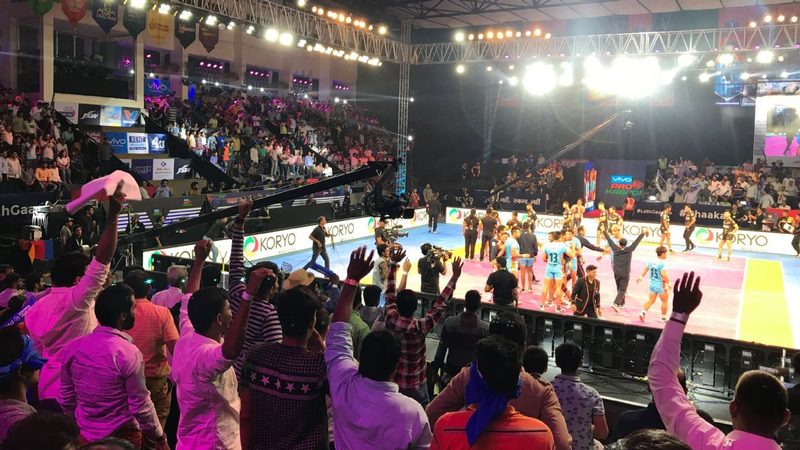
When the Pro Kabaddi League launched in 2014, few predicted that an ancient contact sport played on mud courts would become India’s second-most-watched league. A decade on, the PKL sells out arenas, pays its stars crores at auction and draws television audiences that rival cricket’s biggest properties. This is how the league works, how its auction shapes teams, and how it changed kabaddi forever.
How is the Pro Kabaddi League structured?
The PKL follows a franchise model borrowed from cricket’s Indian Premier League. Twelve city-based teams, from the Patna Pirates to the Bengaluru Bulls, compete in a season that typically runs for three to four months. The format begins with a round-robin league stage in which every team plays each other, with the caravan moving between host cities. The top teams then advance to the playoffs: qualifiers and eliminators that narrow the field to two finalists who contest the championship match. Points are awarded for wins and draws in the league stage, and tiebreakers use score difference, keeping every raid meaningful deep into the season.
How does the PKL auction work?
Before each season, teams rebuild their squads at a player auction, one of the most dramatic events in Indian sport. Each franchise has a fixed salary purse, and players are grouped into categories based on experience and past performance. Bidding proceeds player by player, with franchises raising paddles until the hammer falls. Teams can also retain a limited number of players from their previous squad before the auction, protecting their core stars. The auction has produced record bids crossing the two-crore-rupee mark for elite raiders, turning kabaddi players from obscure athletes into millionaires and giving the league its narrative engine: every season begins with new combinations, new rivalries and new price tags.
What rules make PKL kabaddi different?
The league plays a tweaked version of traditional kabaddi designed for television. Each team fields seven players with rolling substitutions allowed, keeping the intensity high. Raids are limited to 30 seconds with a visible shot clock, and teams must score on every third raid or face an empty-raid penalty that hands the opposition a point. The bonus line, super raids and super tackles all carry the standard professional scoring, but the PKL adds presentation: slow-motion replays, raid timers on screen and expert commentary that explains tactics to new fans. Matches are timed tightly to fit broadcast windows, and the league’s production values, from arena lighting to player introductions, rival any sporting property in the country.
How did the league change the sport?
The transformation has been profound. Before the PKL, most kabaddi players held government or railway jobs and played for departmental teams with little money or fame. The league created full-time professional careers: salaries, physios, nutritionists, video analysts and brand endorsements. It took the sport to urban audiences who had never seen kabaddi, and television packaging, with its focus on star raiders and last-raid finishes, made the rules accessible to millions. Grassroots participation surged as children saw kabaddi as a viable career. The league also professionalised coaching, with teams hiring specialist defensive and raiding coaches and using data analytics to plan against opponents.
Why has the PKL succeeded where others struggled?
Several factors explain the league’s durability. Kabaddi’s short, high-scoring format fits prime-time television perfectly, with matches decided in the final minutes. The sport’s Indian roots give it an authenticity that resonates beyond the metros, while low equipment costs keep the grassroots pipeline flowing. Star power matters: raiders like Pardeep Narwal and defenders like Fazel Atrachali became household names, and their auction prices generated headlines that money cannot buy. Finally, the league invested in storytelling, building team identities around cities and turning players into characters with highlight reels, nicknames and rivalries.
What comes next for the league?
The PKL now faces the challenges of maturity: expanding its audience beyond the Hindi heartland, growing women’s kabaddi alongside the men’s game, and keeping the product fresh as rival leagues emerge. International expansion, with overseas players already part of squads, could take kabaddi to new markets. The league’s success has also raised expectations for player welfare, with discussions around longer contracts, insurance and post-career support gaining momentum. Whatever comes next, the PKL has already achieved something remarkable: it took a 4,000-year-old game and made it appointment viewing.
FAQs
How many teams play in the Pro Kabaddi League? Twelve franchise teams compete in the PKL, each representing an Indian city or region.
When was the first PKL season held? The inaugural season took place in 2014, and the league has run annually since, growing into one of India’s most-watched sporting properties.
How long is a PKL match? A match lasts 40 minutes of playing time, split into two 20-minute halves, plus breaks and stoppages.
Who are the most successful PKL teams? The Patna Pirates lead the honours list with multiple titles, followed by franchises like Jaipur Pink Panthers and Bengaluru Bulls.
The Pro Kabaddi League did not just commercialise kabaddi; it reimagined it for the television age while keeping the soul of the sport intact. The auction drama, the packed arenas and the last-second raids are now part of India’s sporting calendar, and the ancient game has never looked more modern.
Source: Pro Kabaddi League official media centre

Khabar 24h Editorial Desk — our explainers are prepared by the Khabar 24h editorial team using AI-assisted research tools, and every piece is reviewed by a human editor before publishing. We do not claim original reporting: our work is turning complex topics into simple, accurate summaries. Spotted an error? Write to contact@khabar24h.com — our corrections policy aims for same-day review.
More from this author →