How Cricket Talent Scouting Works in India: From School Cricket to the IPL
Every IPL season throws up a new sensation: a teenager from a small town bowling at 145 kph, an unknown batter clearing ropes against international attacks. Behind each discovery lies a vast, competitive scouting machine that combs the country for talent, from school maidans to age-group tournaments to the domestic circuit. India produces cricketers at a scale no other nation matches, but raw numbers mean nothing without the system that identifies, tests and elevates the best. This guide explains how cricket talent scouting works in India, from the first school match to the IPL auction table.
The base of the pyramid: school and club cricket
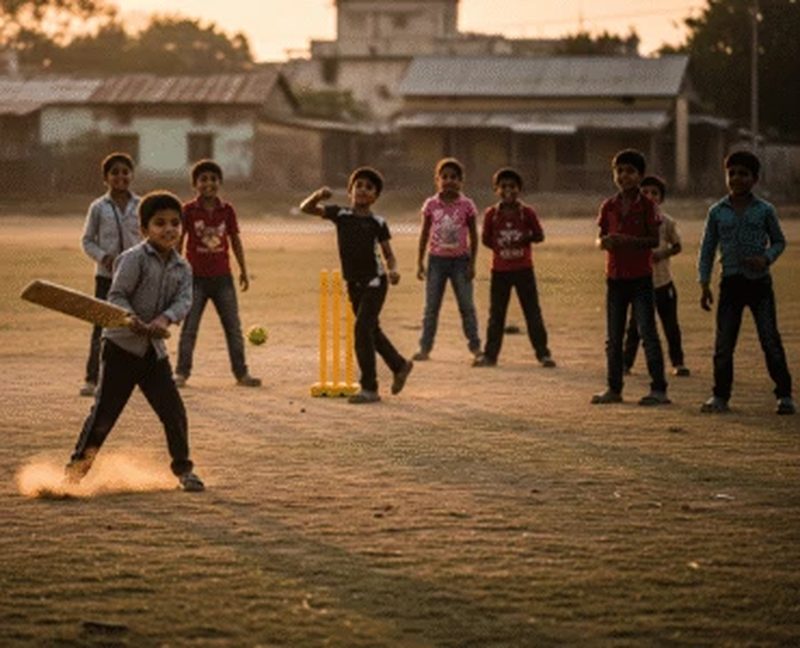
The journey typically begins in school cricket, played across thousands of institutions with famous hotbeds in Mumbai, Delhi, Chennai and beyond. School tournaments, some with histories stretching back a century, are where the first scouts appear: academy coaches, district selectors and talent spotters watching for the standout performers. Club cricket in the big cities adds another layer, with leagues that have launched countless careers. At this level, scouts look for raw, projectable qualities rather than polished technique: natural athleticism, a repeatable bowling action, hand-eye coordination, and above all temperament, the kid who wants the ball in the big moment. Academies run by former players formalise the process, offering coaching, facilities and competitive matches to those who show promise, though access and cost remain barriers the system is still working to lower.
Age-group cricket: the official pathway
Above school cricket sits the BCCI’s structured age-group system: under-16, under-19 and under-23 competitions that form the official talent pipeline. State associations run trials that draw thousands of hopefuls, selected through district performances and academy recommendations. The Cooch Behar Trophy (under-19 multi-day), the Vinoo Mankad Trophy (under-19 one-day) and their under-16 equivalents are scouted intensively, not just by state selectors but by IPL talent scouts who maintain databases of teenage prospects. The under-19 World Cup is the shop window where India’s best youngsters announce themselves globally, and a strong tournament can fast-track a player into domestic senior cricket and IPL contention. At every stage, selectors weigh performance against context: runs against quality attacks, wickets on flat pitches, and the adaptability that suggests a player will survive the step up.
Domestic cricket and the IPL scouting machine
The senior domestic circuit, Ranji, Vijay Hazare and Syed Mushtaq Ali trophies, is where scouting becomes forensic. Every IPL franchise employs full-time talent scouts and analysts who attend matches with specific briefs: find the death bowler, the power-hitter, the mystery spinner. They compile video libraries, statistical profiles and character references, tracking players across seasons rather than judging on single performances. Trials and camps then test the shortlisted: franchises invite dozens of prospects to bowl at their contracted stars or face their coaches’ scrutiny. The data revolution has added new layers: ball-tracking, bat-speed measurements and match-up analytics now supplement the scout’s eye. Yet experienced scouts insist the fundamentals have not changed: they still look for the same things, hunger, skill under pressure, and the physical tools that cannot be taught.
What scouts look for: the complete picture
Modern scouting blends art and science. The measurable attributes come first: bowling speeds, spin revolutions, bat speed, sprint times, throwing velocity. Then the cricket-specific skills: can the batter score 360 degrees, does the bowler have variations for the death, how does technique hold up against genuine pace. But the final judgement is human: temperament under pressure, coachability, work ethic, and the background intangibles that suggest a player will handle fame and money. Scouts talk to coaches, teammates and families, building a picture of character as carefully as of cover drives. The system is imperfect, talented players still slip through, and biases of region and access persist. But its scale and increasing professionalism mean that in modern India, genuine talent has never had a better chance of being found.
- School and club cricket form the base; BCCI age-group tournaments structure the pathway.
- IPL franchises employ dedicated scouts who track prospects from their mid-teens.
- Trials, video analysis and data metrics supplement traditional talent-spotting.
- Temperament and coachability are weighed alongside measurable physical tools.
FAQs
How does a young player get noticed? Through school and district performances leading to state age-group trials, the official gateway to the system.
Do IPL teams scout outside big cities? Increasingly yes. Talent scouts now cover smaller towns and regions, and some of the biggest discoveries have come from outside the traditional centres.
What age do scouts start tracking players? Serious tracking often begins in the mid-teens, around under-16 and under-19 cricket.
India’s scouting pyramid turns a continent of playground cricket into the most productive talent factory in the sport. The next sensation is already playing somewhere; the system is designed to find them.
Compiled by the Khabar 24h Editorial Desk from publicly available sources.

Khabar 24h Editorial Desk — our explainers are prepared by the Khabar 24h editorial team using AI-assisted research tools, and every piece is reviewed by a human editor before publishing. We do not claim original reporting: our work is turning complex topics into simple, accurate summaries. Spotted an error? Write to contact@khabar24h.com — our corrections policy aims for same-day review.
More from this author →