Ranji Trophy Explained: How India’s Premier First-Class Tournament Works
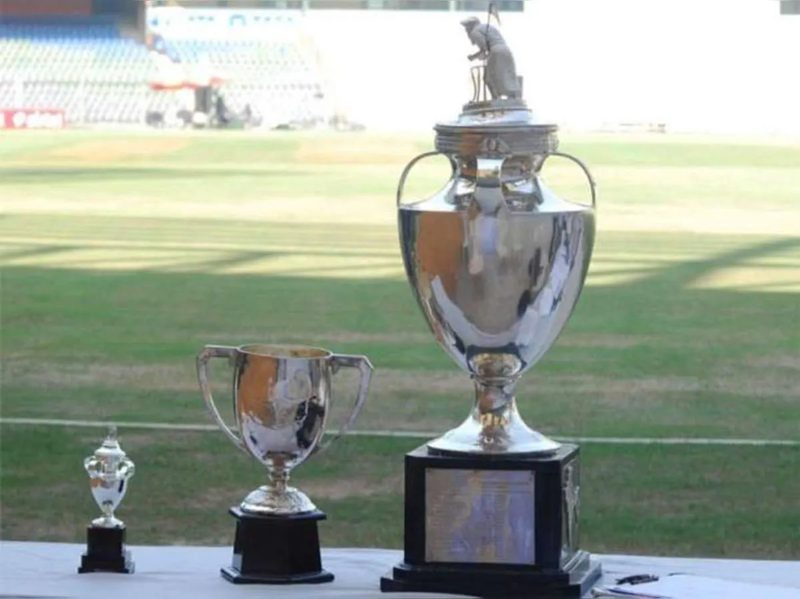
Every Indian Test cricketer of the modern era has passed through the same grinding apprenticeship: the Ranji Trophy. Named after Ranjitsinhji, the legendary prince-cricketer of the colonial era, it is India’s premier first-class competition and one of the oldest and toughest domestic tournaments in world cricket. Each season, 38 teams representing states and regions play dozens of four-day matches across the country, in conditions ranging from seaming green tops to dustbowls. For players, it is the proving ground where reputations are made; for selectors, it is the primary shop window for Test talent. This guide explains how the tournament works and why it still matters in the age of T20.
The format: groups, points and the road to the knockouts
The Ranji Trophy is played in a league-cum-knockout format across a long winter season. The 38 participating teams, representing 28 states plus union territories and institutional sides such as Railways and Services, are divided into groups: four Elite groups and one Plate group for the developing teams. Each team plays every other team in its group once in four-day matches. Points follow first-class conventions: six points for an outright win, three for a first-innings lead in a drawn game, one point each for a draw without a first-innings result, with bonus points available for big wins. At the end of the league stage, the top teams from the Elite groups advance to the quarter-finals, and from there it is straight knockout: quarter-finals, semi-finals and a five-day final. The Plate group has its own knockouts, with the finalists earning promotion to the Elite groups for the following season, while the bottom Elite teams face relegation. This promotion-relegation system keeps the competition honest and gives smaller teams a genuine pathway upward.
History and prestige of the competition
First played in the 1934-35 season, the Ranji Trophy predates Indian independence and carries nearly a century of history. Mumbai, formerly Bombay, is the tournament’s great superpower, with more than 40 titles built on the formidable club and school cricket culture of the city. Karnataka, Delhi, Baroda and Tamil Nadu have all had eras of dominance, and the roll of honour reads like a history of Indian cricket itself. The tournament’s legends are the stuff of domestic folklore: batters who piled up thousands of runs season after season, bowlers who toiled on flat decks for five-wicket hauls that nobody televised. In an era when young players can become millionaires through T20 leagues, the Ranji Trophy’s prestige rests on something money cannot buy: it is still the only route to the Indian Test team, and the respect of peers earned through a long first-class season remains the purest currency in Indian cricket.
The pathway to the Indian team
No selector picks a Test cricketer who has not conquered the Ranji Trophy. The tournament tests everything international cricket demands: technique against the moving ball and quality spin, concentration across long days, fitness through a gruelling schedule, and temperament in high-pressure knockout matches. National selectors and the India A setup track Ranji performances obsessively, and the standout performers each season earn places on A tours, which are the final audition before the senior team. The recent trend of Indian internationals returning to play Ranji matches when free from national duty has further raised standards, giving young players the priceless experience of facing or playing alongside proven Test cricketers. For bowlers especially, the Ranji grind, long spells on unresponsive pitches, is considered irreplaceable preparation for the demands of Test cricket.
Challenges and the road ahead
The tournament faces real pressures. A congested calendar squeezes the season, some matches are played on underprepared outgrounds with little crowd or coverage, and the financial rewards lag far behind white-ball cricket, though match fees have been substantially increased in recent years. Player workload is a growing concern, with cricketers shuttling between formats with barely a break. Yet the Ranji Trophy keeps producing: season after season, unknown youngsters announce themselves with double hundreds and ten-wicket hauls, and the knockout stages deliver drama that no script could match. The BCCI has invested in better venues, live streaming of matches and improved pay, recognising that the health of Indian Test cricket depends directly on the health of its domestic first-class competition.
- 38 teams compete across Elite and Plate groups, with promotion and relegation between them.
- Matches are four days long; the final is played over five days.
- Mumbai has won the title more than 40 times, far more than any other team.
- Standout Ranji performers feed into India A tours, the final step before national selection.
FAQs
When is the Ranji Trophy played? The season typically runs from winter into early spring, fitting around India’s international calendar and the white-ball domestic tournaments.
How do teams qualify for the knockouts? The top teams from each Elite group advance to the quarter-finals based on points, with net run rate style tiebreakers settling close finishes.
Can foreign players take part? No. The Ranji Trophy is restricted to players qualified to represent Indian state and regional teams.
The Ranji Trophy is Indian cricket’s foundation stone: unglamorous, gruelling and utterly essential. As long as Test cricket matters to India, the road to the national cap will run through its four-day grind.
Compiled by the Khabar 24h Editorial Desk from publicly available sources.

Khabar 24h Editorial Desk — our explainers are prepared by the Khabar 24h editorial team using AI-assisted research tools, and every piece is reviewed by a human editor before publishing. We do not claim original reporting: our work is turning complex topics into simple, accurate summaries. Spotted an error? Write to contact@khabar24h.com — our corrections policy aims for same-day review.
More from this author →