Cricket Wicketkeeping Guide: Techniques, Drills and What Selectors Look For
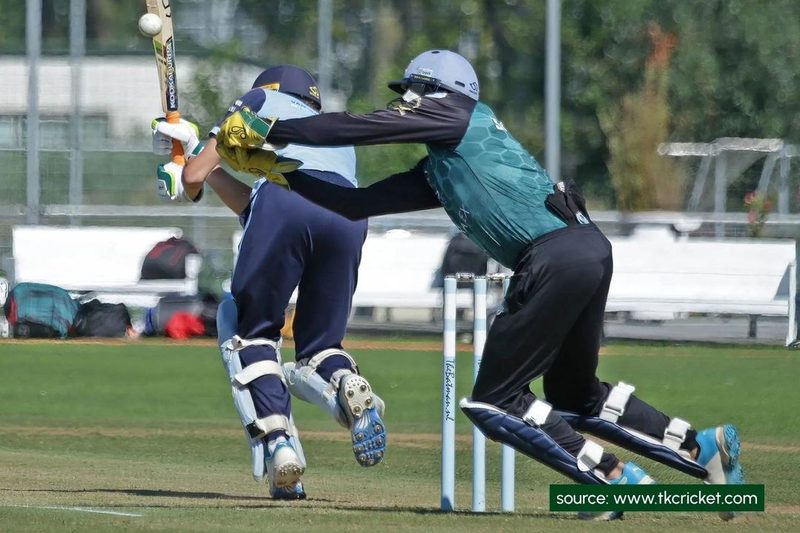
Stand behind the stumps for a full day of Test cricket and you will crouch, spring and dive hundreds of times, take chances that decide matches, and spend long passages apparently doing nothing at all. Wicketkeeping is the most specialised role in cricket and arguably the most underappreciated: a great keeper makes the extraordinary look routine, while a poor one can cost a team a series. The job blends athleticism, technique, concentration and courage in proportions no other position demands. This guide explains the techniques of modern wicketkeeping, the drills that build them, and what selectors actually look for when they pick a keeper.
The stance and the basics of technique
Everything in keeping starts from the stance. The keeper crouches low with weight on the balls of the feet, knees bent, backside down, head steady and eyes level, gloves held together as a single catching unit in front of the body. From this coiled position, the keeper must be ready to move in any direction within a fraction of a second. Against fast bowlers, keepers stand well back, giving themselves time to read swing and seam; the technique emphasises soft hands that cushion the ball’s pace, with the gloves giving slightly on impact to prevent rebounds. Against spinners, the keeper stands up to the stumps, often within arm’s reach, and the technique changes completely: staying low for longer, watching the ball out of the hand, and gathering with minimal fuss. Taking the ball cleanly is only half the job; the keeper must also present the ball to the umpire for appeals, whip the bails off for stumpings in one fluid motion, and dive full-length for edges that seem out of reach.
Footwork, anticipation and reading the game
The great myth about keeping is that it is all about hands. In truth, elite keeping is about feet. The keeper’s footwork gets the body into the right position early, so the gloves arrive where the ball is going rather than chasing it. Keepers shuffle, crossover-step and spring laterally, always aiming to take the ball in line with the body. Anticipation separates the good from the great: reading the bowler’s wrist and seam position, sensing the batter’s intentions, and starting to move a fraction before the ball is even bowled. Modern keepers also quarterback the field, constantly talking to the bowler, suggesting lines and fields, and geeing up the slip cordon. Standing up to medium-pacers, a tactic increasingly used in T20 cricket to cramp batters, demands extraordinary courage and razor-sharp reactions, and it is the clearest signal of a keeper operating at the highest level.
Drills that build a keeper
Keeping is built in the practice nets through relentless, specific repetition. The one-handed catching drill, taking hundreds of balls with each glove alone, builds soft hands and precise glove position. Reaction drills use deflections off a board or short, sharp feeds that force the keeper to adjust late. Footwork ladders and lateral shuffle drills ingrain the movement patterns, while high-ball drills, with the coach launching skyers from close range, train the keeper to take the swirling catches that decide limited-overs matches. Stumping practice pairs the keeper with a spinner, grooving the gather-and-break movement until it is automatic. Video analysis has become standard: keepers study their stance height, their first movement and their glove position frame by frame. And because keeping is brutally hard on the knees, back and hands, conditioning work, from squats to grip strength to flexibility, is as important as any catching drill.
What selectors actually look for
Selecting a wicketkeeper used to be simple: pick the best gloveman and accept whatever runs came with the bat. The modern game has complicated that equation beyond recognition. Selectors now weigh keeping quality against batting value, and the balance shifts by format. In Tests, pure keeping skill still carries enormous weight, because a missed chance on day one can cost a match on day five, but the keeper is also expected to contribute serious runs from number six or seven. In white-ball cricket, the keeper is often picked as a frontline batter who keeps adequately, and explosive finishing can outweigh a missed stumping. Beyond the numbers, selectors look for temperament: keepers must concentrate through dead sessions, stay chirpy and positive behind the stumps, handle the scrutiny of every error being televised in close-up, and manage bowlers’ emotions. Fitness and durability matter enormously, because a keeper plays every ball of every innings.
- Standing back suits pace and swing; standing up suits spin and cramps the batter’s footwork.
- Soft hands on impact prevent byes and rebounds; hard hands are the most common technical fault.
- Byes conceded, stumpings effected and catches taken are the core keeping metrics, but they never tell the full story.
- Most elite keepers take 300-400 balls a day in practice during heavy training blocks.
FAQs
Do wicketkeepers need to be good batters now? At the top level, yes. The pure specialist keeper is increasingly rare; teams expect meaningful runs, especially in limited-overs cricket.
Why do keepers wear different gloves to fielders? Keeping gloves have webbing between thumb and forefinger and heavy padding to take balls at pace, all within strict size regulations.
What is the hardest part of wicketkeeping? Concentration. The physical skills can be drilled, but staying switched on for every ball of a 90-over day is what breaks most aspirants.
The wicketkeeper sees the game from closer than anyone and influences it in ways the scorecard barely captures. It is the toughest specialist job in cricket, and those who master it become the heartbeat of their team.
Compiled by the Khabar 24h Editorial Desk from publicly available sources.

Khabar 24h Editorial Desk — our explainers are prepared by the Khabar 24h editorial team using AI-assisted research tools, and every piece is reviewed by a human editor before publishing. We do not claim original reporting: our work is turning complex topics into simple, accurate summaries. Spotted an error? Write to contact@khabar24h.com — our corrections policy aims for same-day review.
More from this author →