Cricket Powerplay Rules Explained: How Fielding Restrictions Work in ODI and T20 Cricket
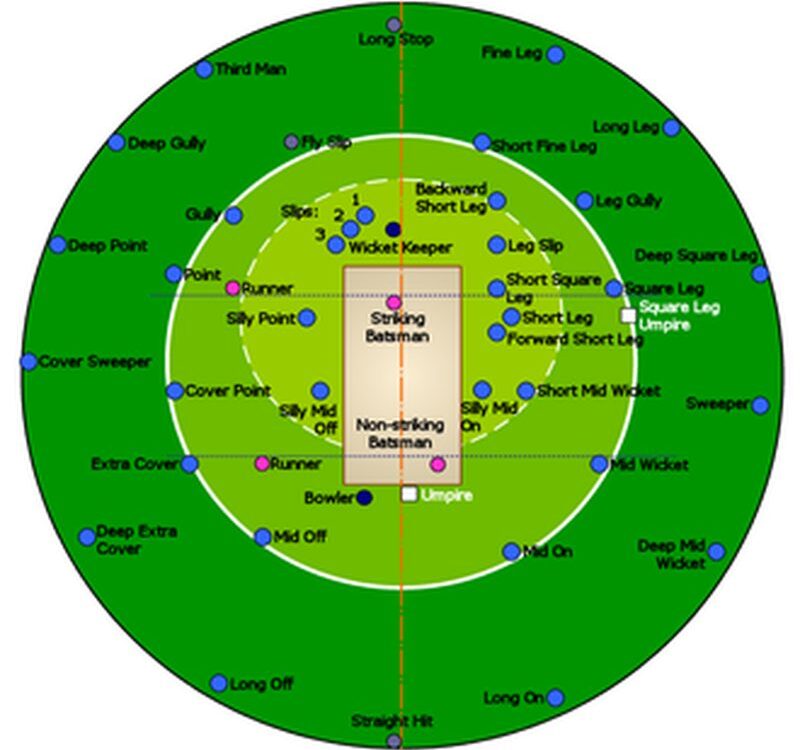
Watch any modern limited-overs match and you will hear commentators talk about the powerplay as if it were a separate contest within the game. In many ways it is. The powerplay is the period, or set of periods, during which fielding restrictions apply: only a limited number of fielders are allowed outside the 30-yard inner circle, which makes it easier for batters to find boundaries and harder for captains to defend. Understanding the powerplay rules is essential to understanding why innings are paced the way they are, why certain bowlers are held back, and why the first few overs of a chase feel so different from the middle of the innings. Here is how the rules work in ODIs and T20s, and how teams exploit them.
What the fielding restrictions actually are
In limited-overs cricket, the fielding side would love to spread all nine outfielders to the boundary and choke the scoring, turning the contest into a stalemate. The powerplay rules prevent this. During a powerplay, a maximum of two fielders are permitted outside the 30-yard circle, an oval marked around the pitch that keeps the infield tight. Outside the powerplay, up to five fielders may patrol the deep, which is why scoring typically slows once the restrictions lift. There are also rules about fielders behind square on the leg side and the number of fielders allowed in catching positions, but the headline restriction is the cap on outfielders beyond the circle. Bowlers must also respect limits on short-pitched bowling and, in ODIs, a maximum of ten overs per bowler, while in T20s each bowler is limited to four overs.
Powerplay rules in ODIs
One-day internationals divide their 50 overs into three phases of fielding restrictions. The first powerplay covers overs 1 to 10 and is mandatory: only two fielders outside the circle, which is why opening batters attack so freely and new-ball bowlers prize early wickets above all else. Then comes a long middle phase from overs 11 to 40, during which four fielders may go deep, allowing the fielding captain to protect boundaries while spinners and change bowlers work through the middle overs. The final powerplay, overs 41 to 50, tightens things again to three outfielders outside the circle, setting up the frantic finish. This structure creates the classic ODI rhythm: explosive start, consolidation in the middle, and all-out assault at the death. Teams plan their batting orders around it, often promoting pinch-hitters or finishers to align with the restriction phases.
Powerplay rules in T20 cricket
T20 compresses the same idea into a shorter, more violent format. The powerplay lasts the first six overs, during which only two fielders are allowed outside the inner circle. Because the innings is only 20 overs long, those six overs represent nearly a third of the batting side’s resources, and they disproportionately decide matches. Data across leagues shows that teams winning the powerplay battle, measured by runs scored versus wickets lost against the opposition’s equivalent, win a clear majority of T20 games. After the sixth over, five fielders may retreat to the boundary, and the contest shifts to spin, slower balls and boundary-hitting against spread fields. Unlike ODIs, there is no second mandatory powerplay in T20s, though the batting side’s strategy effectively treats the last five overs as a self-imposed one.
Tactics teams use in each phase
The powerplay has spawned an entire tactical sub-discipline. Batting sides stack their top orders with aggressive stroke-makers specifically to maximise the first six or ten overs, and the modern trend is to attack from ball one rather than playing themselves in. Bowling sides counter by opening with their most skilful new-ball operators, using swing, seam and disciplined lines to take wickets before the field spreads. Some captains gamble by bowling a spinner inside the powerplay, exploiting batters’ premeditated aggression. In the middle overs, batting teams target specific bowlers and rotate strike to keep the scoreboard moving, while fielding captains use their four or five deep fielders to cut off boundaries and force mistakes. At the death, with restrictions partially back on in ODIs, batters clear the infield with lofted shots and bowlers respond with yorkers and wide lines. Every phase is a chess match played at sprint speed.
- ODI powerplays: overs 1-10 (2 fielders out), 11-40 (4 out), 41-50 (3 out).
- T20 powerplay: overs 1-6 (2 fielders out); 5 outfielders allowed from over 7.
- Only two fielders are ever allowed behind square on the leg side, powerplay or not.
- Powerplay fielding infringements result in a no-ball, giving the batting side a free hit in limited-overs formats.
FAQs
Why do powerplays exist? To stop fielding sides from placing everyone on the boundary, which would make scoring nearly impossible and the game dull. They guarantee the batters a fair chance to score.
Can the batting team choose when to take the powerplay? In current ODI and T20 international rules, the powerplay phases are fixed and mandatory. Older rules once allowed a batting or bowling powerplay to be chosen, but that was abolished.
What happens if a captain breaks the fielding restrictions? The umpire calls no-ball, the batting side gets an extra run plus a free hit in white-ball cricket, and the field must be corrected.
The powerplay is where modern limited-overs matches are so often won and lost. It rewards courage with the bat, precision with the ball, and imagination from captains, and it is the reason the opening overs of any white-ball game deserve your full attention.
Compiled by the Khabar 24h Editorial Desk from publicly available sources.

Khabar 24h Editorial Desk — our explainers are prepared by the Khabar 24h editorial team using AI-assisted research tools, and every piece is reviewed by a human editor before publishing. We do not claim original reporting: our work is turning complex topics into simple, accurate summaries. Spotted an error? Write to contact@khabar24h.com — our corrections policy aims for same-day review.
More from this author →