The Gut Microbiome: The Trillions of Microbes Running Your Digestion
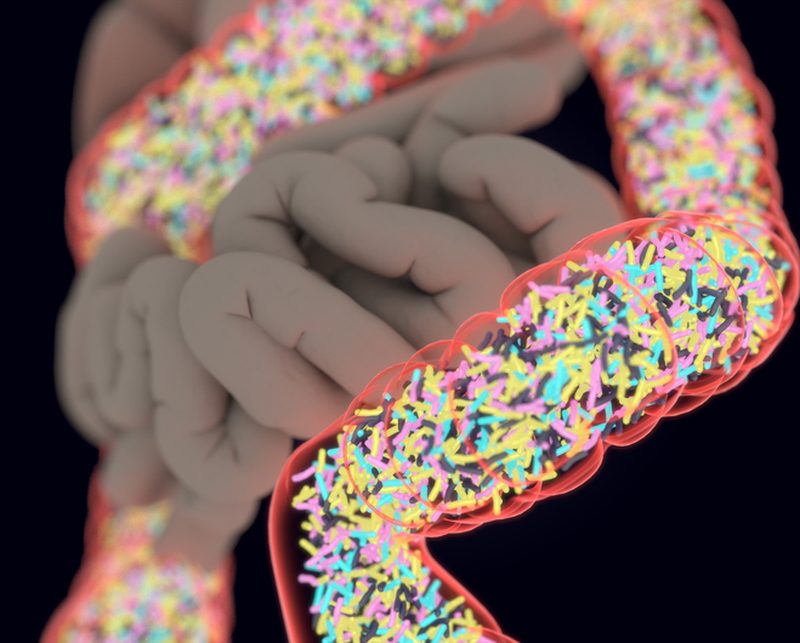
Inside your intestines lives a metropolis. Roughly 38 trillion bacteria, alongside viruses, fungi and archaea, collectively weighing about as much as your brain, form the gut microbiome, an ecosystem as complex as a rainforest and as personal as a fingerprint. These microbes digest what you cannot, manufacture vitamins, train your immune system, and communicate with your brain through nerves, hormones and immune signals. The last two decades have transformed the microbiome from a neglected curiosity into one of medicine’s hottest frontiers, implicated in obesity, diabetes, depression, allergies and even Parkinson’s disease. For India, with its extraordinary dietary diversity, high antibiotic use and rising tide of metabolic disease, understanding the gut microbiome is not academic; it is a public health opportunity hiding in plain sight.
What the microbes actually do
The microbiome’s core job is digestion beyond human capacity. Human cells produce only a handful of enzymes for breaking down complex carbohydrates; gut bacteria wield thousands, fermenting dietary fibre into short-chain fatty acids like butyrate, which nourish the gut lining, calm inflammation and regulate metabolism. Microbes synthesise vitamins K and several B vitamins, help absorb minerals like calcium and magnesium, and maintain the gut barrier that keeps pathogens and toxins out of the bloodstream. They are also the immune system’s sparring partners: about 70 per cent of immune tissue sits around the gut, and early-life microbial exposure teaches it to distinguish friend from foe, which may explain why overly sterile childhoods correlate with allergies and asthma. Perhaps most surprising is the gut-brain axis: microbes produce neurotransmitters like serotonin and GABA, and animal studies show gut bacteria influencing anxiety, depression and even social behaviour through the vagus nerve and immune signalling. Correlation is not causation, and human evidence is still emerging, but the conversation between gut and brain is undeniably real.
What shapes your microbiome
Your microbial metropolis is founded at birth: vaginal delivery seeds the infant with maternal microbes, while C-section babies acquire skin-like communities, a difference linked to slightly higher risks of allergies and obesity, though breastfeeding partly compensates. Diet is the dominant sculptor thereafter. Fibre-rich traditional Indian diets, with their dals, vegetables, millets and fermented foods like idli, dosa, dhokla, curd and pickles, feed beneficial fibre-fermenting bacteria; the shift toward refined, low-fibre, high-sugar urban diets starves them, a change implicated in India’s diabetes epidemic. Antibiotics are carpet-bombing: a single course can suppress microbial diversity for months, and India’s high over-the-counter antibiotic use is a particular concern. Geography matters too: studies show rural Indians harbour more diverse microbiomes than urban Indians, and Indian microbiomes differ markedly from Western ones, which means probiotic and dietary research done abroad may not directly apply. Age, stress, sleep and exercise all leave microbial fingerprints as well.
Medicine’s new frontier, and its hype
The therapeutic promise is genuine but early. Faecal microbiota transplantation, transferring screened donor stool to patients, cures recurrent Clostridioides difficile infection with success rates above 85 per cent where antibiotics fail, and is being trialled for inflammatory bowel disease and even neurological conditions. Researchers are developing defined bacterial cocktails as drugs, engineering microbes to produce medicines inside the gut, and using microbiome signatures to predict drug responses and disease risk. But the commercial hype has outrun the evidence: most over-the-counter probiotics contain strains with weak evidence for healthy people, microbiome testing kits offer interpretations far ahead of the science, and claims that gut bacteria explain every disease deserve scepticism. What the evidence does support is unglamorous: eat diverse fibre, include fermented foods, avoid unnecessary antibiotics, and manage stress and sleep. India’s traditional dietary wisdom, with its fermented foods and plant diversity, was microbiome-friendly centuries before the word existed.
- The gut hosts about 38 trillion microbes, roughly equal to the number of human cells.
- Gut bacteria ferment fibre into short-chain fatty acids that nourish the gut lining.
- About 70 per cent of the body’s immune tissue is associated with the gut.
- Faecal transplants cure recurrent C. difficile infection in over 85 per cent of cases.
- Rural Indians typically harbour more diverse gut microbiomes than urban Indians.
FAQs
Should I take probiotics? For most healthy people, evidence is weak; specific strains help specific conditions like antibiotic-associated diarrhoea. Fermented foods and fibre are better-supported daily choices.
Do antibiotics permanently damage the microbiome? Usually not permanently, diversity typically recovers over months, but repeated courses cause cumulative disruption, so avoid unnecessary use.
Can gut bacteria affect mental health? Animal evidence is strong and human evidence suggestive; the gut-brain axis is real, but probiotic treatments for depression remain experimental.
The microbiome teaches a humbling lesson: you are not an individual but an ecosystem. Tend your inner rainforest with fibre, fermented foods and restraint with antibiotics, and it will tend you back.
Compiled by the Khabar 24h Editorial Desk from publicly available sources.

Khabar 24h Editorial Desk — our explainers are prepared by the Khabar 24h editorial team using AI-assisted research tools, and every piece is reviewed by a human editor before publishing. We do not claim original reporting: our work is turning complex topics into simple, accurate summaries. Spotted an error? Write to contact@khabar24h.com — our corrections policy aims for same-day review.
More from this author →