How UK General Elections Work: First Past the Post and the House of Commons
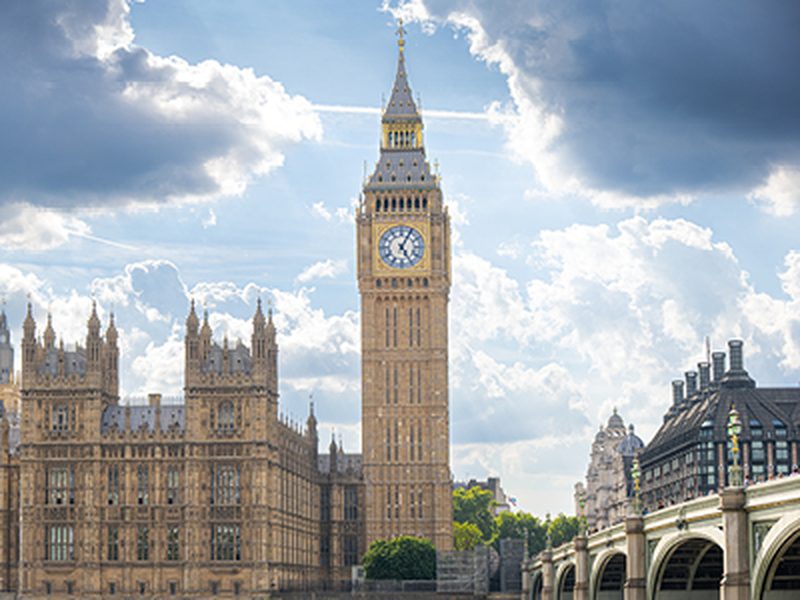
British general elections are deceptively simple affairs: on a single day, voters in 650 constituencies each choose one Member of Parliament, and the party that wins a majority of seats forms the government. Yet beneath this simplicity lie distinctive features, from the campaign’s strict spending rules to the drama of election night counts, that make British elections among the world’s most watched democratic rituals.
First past the post and the constituencies
Like India, Britain uses first past the post: the candidate with the most votes in each constituency wins, with no run-offs or proportional allocation. The 650 constituencies are drawn by independent Boundary Commissions to contain roughly equal electorates, and are reviewed periodically. The system rewards parties with geographically concentrated support and punishes those with evenly spread votes, which is why British politics has historically produced decisive majorities from mere pluralities of the vote.
How elections are called
General elections must occur at least every five years, but the Prime Minister has traditionally chosen the date within that window, timing the poll for political advantage. The Fixed-term Parliaments Act of 2011 briefly removed this power, mandating five-year terms, but it was repealed in 2022, restoring the Prime Minister’s prerogative to request dissolution from the monarch. The campaign that follows is short by global standards, typically about six weeks, and intensely regulated.
The campaign: rules and rituals
British campaigns operate under strict spending limits per constituency and nationally, enforced by the Electoral Commission, with every donation and expense disclosed. Broadcasters must give balanced coverage, and paid political advertising on television is banned, parties get free party-political broadcasts instead. The rituals are familiar: leaders’ tours, manifesto launches, televised debates since 2010, and the relentless focus on marginal seats where elections are won and lost. Canvassing, posters and local newspapers still matter enormously.
Election night and forming a government
Polls close at 10 pm, exit polls are published instantly, and counts proceed through the night, with most results declared by dawn in a rolling national television drama watched by millions. If one party wins 326 or more seats, its leader is invited by the monarch to form a government. If no party has a majority, a hung parliament results: parties negotiate, and the incumbent Prime Minister gets the first chance to command confidence. Recent hung parliaments in 2010 and 2017 produced a coalition and a confidence-and-supply arrangement respectively.
The system under strain
First past the post faces growing criticism in Britain. It produces highly disproportional results, with parties winning large majorities on well under half the vote, and leaves millions feeling their votes do not count in safe seats. Referendums and devolution have complicated the picture, with Scotland, Wales and Northern Ireland using proportional systems for their own legislatures. A 2011 referendum rejected changing the Westminster system, but the debate over electoral reform resurfaces after every disproportional result. The rise of the SNP in Scotland, winning most Scottish seats on under half the Scottish vote, showed how first past the post could amplify regional parties while muting national ones.
Devolution: the other parliaments
Westminster no longer legislates alone for the whole UK. Scotland, Wales and Northern Ireland have their own parliaments or assemblies with powers over health, education and transport, elected by proportional systems. Westminster retains sovereignty and can legislate on devolved matters, but by convention does not without consent. Devolution has created asymmetric politics: England, with most of the population, has no devolved legislature of its own.
FAQs
How often are UK general elections held? At least every five years, with the Prime Minister choosing the date within that limit.
What is a hung parliament? A result where no party wins an outright majority, requiring coalition, minority government or confidence-and-supply deals.
Who can vote in UK elections? British, Irish and qualifying Commonwealth citizens aged 18 or over who are registered, with EU citizens excluded from general elections.
British elections compress democracy into a single dramatic night: one day of voting, one night of counting, and by morning, a new government, or the negotiations to build one. The monarch’s role is purely formal: by convention the invitation goes to whoever can command the Commons’ confidence, a judgment navigated carefully in hung parliaments.
For all its quirks, the system has delivered peaceful transfers of power for over a century.
Compiled by the Khabar 24h Editorial Desk from publicly available sources.

Khabar 24h Editorial Desk — our explainers are prepared by the Khabar 24h editorial team using AI-assisted research tools, and every piece is reviewed by a human editor before publishing. We do not claim original reporting: our work is turning complex topics into simple, accurate summaries. Spotted an error? Write to contact@khabar24h.com — our corrections policy aims for same-day review.
More from this author →