Election Symbols Explained: How Parties Get Their Signs and What Happens in a Split
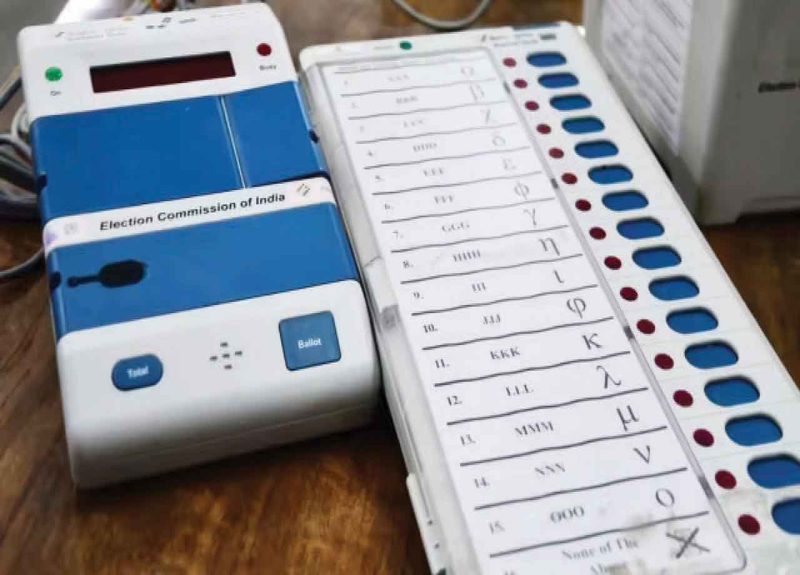
For hundreds of millions of Indian voters, many of whom cannot read, the election is decided not by names on the ballot but by pictures: the lotus, the hand, the elephant, the bicycle. Election symbols are the visual language of Indian democracy, and their allotment is governed by a detailed legal regime. When parties split, the fight over the symbol can become as bitter as the fight over the party itself.
Why symbols matter so much
Symbols exist because literacy cannot be assumed. On Electronic Voting Machines, each candidate’s name appears alongside their symbol, and for many voters the symbol is the vote. A well-established symbol carries decades of brand equity: voters who have pressed the same picture for generations need no manifesto. This is why parties guard their symbols fiercely and why new parties struggle: without a recognisable symbol, even a popular candidate starts at a disadvantage.
How symbols are allotted
The Election Commission allots symbols under the Election Symbols (Reservation and Allotment) Order, 1968. Recognised national and state parties have reserved symbols, exclusive to them in their areas of recognition. Registered but unrecognised parties and independents choose from a pool of free symbols, allotted on a first-come basis, which is why the same party can fight under different symbols in different states. The Commission maintains and periodically updates the lists of reserved and free symbols, removing those that are confusing or unprintable.
What happens when a party splits
Party splits trigger the most dramatic symbol battles. When rival factions both claim to be the real party, the Election Commission decides which faction gets the reserved symbol, applying the test of majority: which group commands the support of the majority of the party’s legislators and organisational members. The Commission hears both sides, examines affidavits of support, and allots the symbol to the majority faction, while the other gets a new name and symbol. These decisions, from historic Congress splits to recent state-level divides, have repeatedly shaped political outcomes.
Famous symbol disputes
Symbol battles are landmarks of Indian political history. The 1969 Congress split saw rival claimants fight over the party’s identity. The Shiv Sena and Nationalist Congress Party splits in Maharashtra produced rival claims over the bow-and-arrow and the clock, with the Commission’s verdicts influencing the subsequent electoral contests. Each case follows the same logic: the Commission counts heads among legislators and party office-bearers, and the numbers decide who inherits the brand.
Freezing and new symbols
In exceptional cases, the Commission can freeze a symbol, denying it to both factions, as happened during some particularly bitter splits. New parties allotted free symbols often choose pictures with instant visual appeal, animals, household objects, everyday tools, hoping to build recognition from scratch. The journey from a free symbol to a reserved one mirrors the party’s journey from newcomer to recognised force: symbols, like parties, must earn their status through votes.
The voter’s view of symbols
For the voter in the booth, the symbol system works remarkably well. Studies have consistently found high recognition of major party symbols even among illiterate voters, and the EVM’s display of symbols alongside names and photographs has reduced invalid votes dramatically compared to the paper-ballot era. Parties reinforce this visual identity relentlessly: flags, caps, wall paintings and social media avatars all carry the symbol, turning campaigns into exercises in visual branding. When a party loses its symbol after a split, the confusion among its traditional voters is real and measurable, which is why symbol verdicts can decide elections before a single vote is cast.
FAQs
Can two parties have the same symbol? Not in the same election area. Reserved symbols are exclusive, and free symbols are allotted to only one candidate per constituency.
Who designs new symbols? Parties propose preferences from the free-symbol pool; the Commission approves and allots them. The designs themselves are simple line drawings.
What happens to a symbol if a party is derecognised? It loses its reserved status and returns to the Commission’s pool, available for future allotment.
In a democracy of a billion voters, the humble election symbol does the work that a thousand manifestos cannot: it makes the vote visible, memorable and unmistakably clear to every citizen. In the world’s largest democracy, that clarity is not a detail but a foundation.
Compiled by the Khabar 24h Editorial Desk from publicly available sources.

Khabar 24h Editorial Desk — our explainers are prepared by the Khabar 24h editorial team using AI-assisted research tools, and every piece is reviewed by a human editor before publishing. We do not claim original reporting: our work is turning complex topics into simple, accurate summaries. Spotted an error? Write to contact@khabar24h.com — our corrections policy aims for same-day review.
More from this author →