Antidepressants Explained: SSRIs, Side Effects and Common Myths
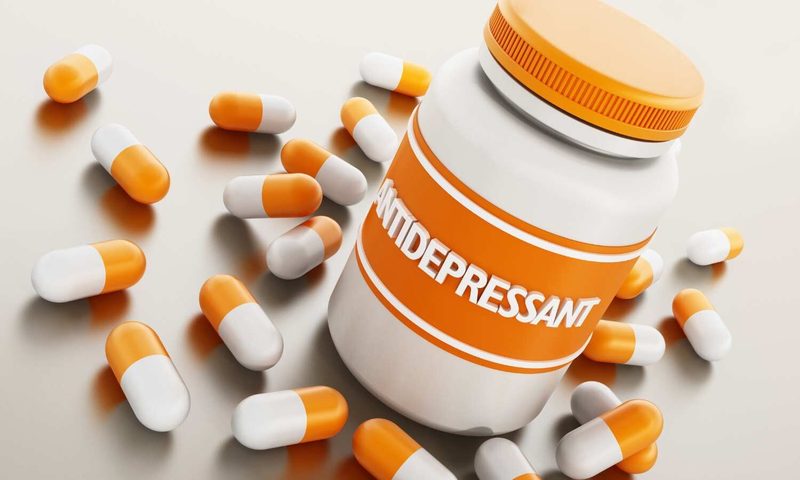
Few medicines carry as much mythology as antidepressants. They are described, often in the same conversation, as life-saving and as numbing, as essential treatment and as a pharmaceutical scam. In India, where depression affects tens of millions but treatment reaches a fraction, the myths have real consequences: people who need medication refuse it out of fear, while others take it casually without medical supervision. The scientific picture, built over decades of trials involving hundreds of thousands of patients, is less dramatic than either extreme and far more useful.
What antidepressants actually do
The old story, that depression is simply a chemical imbalance corrected by boosting serotonin, is an oversimplification that neuroscientists themselves have retired. What the drugs do is better described as promoting brain plasticity: SSRIs and related drugs increase signalling through serotonin and other neurotransmitter systems, which over weeks encourages the growth of new neural connections, particularly in brain regions involved in mood regulation and stress response. This is why they take 2 to 6 weeks to work; they are remodelling circuits, not topping up a tank. They do not create artificial happiness. Patients typically describe the effect as the lifting of a weight, the return of the ability to feel pleasure and engage with life, not euphoria.
SSRIs and the other main classes
SSRIs, selective serotonin reuptake inhibitors, including fluoxetine, sertraline, escitalopram and paroxetine, are the usual first choice: effective, relatively safe in overdose, and with the best-studied side-effect profile. SNRIs such as venlafaxine and duloxetine add noradrenaline action and are often used when pain or fatigue feature prominently. Older tricyclics are effective but more toxic in overdose and are now second-line. Newer agents like bupropion, useful when sexual side effects or weight gain are concerns, and mirtazapine, often chosen when insomnia and weight loss dominate, give prescribers options to match the drug to the patient. In India, most of these are available as inexpensive generics, often costing a few hundred rupees a month.
Side effects, honestly described
Most side effects appear in the first two weeks and fade: nausea, headache, jitteriness and sometimes a temporary increase in anxiety. The persistent ones that matter are sexual dysfunction, affecting a significant minority and the commonest reason people quietly stop; weight gain with some agents; and emotional blunting, a sense of muted feelings some patients report. A small increase in suicidal thoughts can occur in adolescents and young adults during the first weeks, which is why close monitoring at the start is standard practice. The serious risks, serotonin syndrome when combined with certain other drugs, and interactions with blood thinners, are uncommon but real, which is why self-medication is unwise.
The myths that need retiring
- Myth: They change your personality. Effective treatment restores the personality depression suppressed; families usually say the person seems like themselves again.
- Myth: They are addictive like sleeping pills. They do not cause craving or dose escalation, though stopping abruptly can cause discontinuation symptoms, dizziness, flu-like feelings, vivid dreams, which is why tapering matters.
- Myth: Once you start, you take them forever. A first episode of moderate depression is often treated for 6 to 12 months after recovery, then tapered. Longer treatment is for recurrent or severe illness, decided individually.
- Myth: They work for everyone. Roughly 60 to 70 per cent respond to a first drug; switching or combining usually helps the rest. They are least useful for very mild depression, where therapy and lifestyle measures come first.
- Myth: They are just expensive placebos. The placebo response in depression is genuinely large, but meta-analyses of hundreds of trials show drug effects beyond placebo that grow with severity.
How treatment usually proceeds
A psychiatrist starts low, reviews in 2 to 4 weeks, and adjusts dose or switches agent based on response and tolerability. Improvement is gradual: sleep and appetite often lift first, mood and interest follow. Stopping early because you feel better is the commonest cause of relapse; guidelines advise continuing 6 to 12 months after full recovery for a first episode. Throughout, the best outcomes come from combining medication with therapy and the unglamorous foundations: regular sleep, exercise and social connection.
FAQs
Can I drink alcohol on antidepressants? Best avoided. Alcohol worsens depression and anxiety, impairs sleep, and increases sedation and side effects with most antidepressants.
Are antidepressants safe in pregnancy? This needs individual specialist assessment weighing the risks of untreated depression against small medication risks; some SSRIs have more reassuring data than others. Never stop abruptly on discovering a pregnancy; consult immediately.
Do they affect driving or work? Most people function normally once stabilised, though initial drowsiness or jitteriness may warrant caution in the first week or two.
Antidepressants are neither miracle nor menace. They are imperfect, well-studied tools that, matched to the right patient and monitored properly, restore functioning for millions. In a country where depression still hides behind euphemisms and stigma, the most important myth to retire is the one that keeps people suffering in silence: that needing medication for a brain disorder is a character flaw. It is not. It is medicine.
Source: Mayo Clinic

Khabar 24h Editorial Desk — our explainers are prepared by the Khabar 24h editorial team using AI-assisted research tools, and every piece is reviewed by a human editor before publishing. We do not claim original reporting: our work is turning complex topics into simple, accurate summaries. Spotted an error? Write to contact@khabar24h.com — our corrections policy aims for same-day review.
More from this author →