How an Airline Gets Cleared to Fly in India: DGCA Licensing and Safety Audits Explained
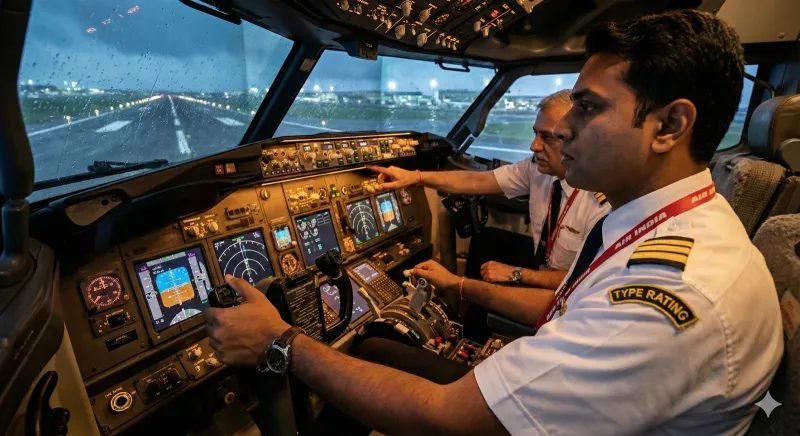
Starting an airline looks glamorous from the outside: new jets, new uniforms, inaugural flights. Behind the glamour lies one of the most rigorous licensing processes in Indian regulation. The Directorate General of Civil Aviation, the country’s aviation safety regulator, must be satisfied that a would-be airline has the aircraft, the people, the money and the safety systems to fly before it issues an Air Operator Certificate. With several startups attempting to enter Indian aviation in recent years, and some failing at or after the licensing stage, the DGCA’s process has been in the spotlight. This explainer walks through how an airline gets cleared to fly.
The licensing ladder
The journey begins with a No Objection Certificate from the civil aviation ministry, the preliminary nod that lets promoters set up the company and begin serious planning. Next comes the hard part: demonstrating to the DGCA that the airline meets the Civil Aviation Requirements for scheduled operations. This covers everything from the airworthiness of the aircraft to the qualifications of pilots, engineers and dispatchers, from maintenance programmes to operational control systems. The process culminates in proving flights, actual flights operated under DGCA observation, before the Air Operator Certificate is granted. Only then can the airline sell tickets and start commercial operations.
What the DGCA audits
The regulator’s scrutiny spans five domains. Airworthiness: each aircraft must have valid certificates and a DGCA-approved maintenance programme. Personnel: pilots, cabin crew, engineers and flight dispatchers must hold DGCA licences with the right ratings. Operations: the airline must have manuals covering everything from fuel policy to emergency procedures, and an operational control centre. Safety management: airlines must run a formal Safety Management System that reports, investigates and mitigates hazards. And financial fitness: the DGCA assesses whether the airline has the funds to operate safely, because an airline under financial stress is a safety risk. Deficiencies at any stage mean delays, additional audits or rejection.
Safety oversight after licensing
Getting the certificate is the beginning, not the end, of regulation. The DGCA conducts regular surveillance audits, ramp inspections, and audits of training organisations and maintenance facilities. It investigates incidents and serious incidents, mandates corrective actions, and can suspend licences, ground aircraft or fine airlines for violations. India is also audited by the International Civil Aviation Organization under its Universal Safety Oversight Audit Programme, and the country’s safety oversight rating affects the ability of Indian airlines to expand internationally. The DGCA’s enforcement actions, from grounding aircraft over maintenance lapses to penalising airlines for pilot fatigue violations, are public and frequent.
Why airlines fail the process
Recent startup attempts illustrate the filters. Some promoters underestimated the capital required: Indian regulations effectively demand deep pockets, because aircraft leases, deposits and operating reserves run into hundreds of crores before the first revenue flight. Others struggled to secure aircraft in a tight global leasing market or to hire licensed personnel at scale. A few received initial approvals but could not complete the later stages. The DGCA’s caution is deliberate: the history of Indian aviation includes airline collapses that stranded passengers and staff, and the regulator would rather be accused of slowness than of licensing an unsafe or unviable operator.
The regulator’s own evolution
The DGCA has faced criticism over staffing, with a shortage of experienced flight operations inspectors, and over its dual role as both promoter and regulator of aviation, a tension the government has tried to address by strengthening the agency’s autonomy and resources. Digitisation of licensing, from pilot licences to operator certificates, has cut delays and discretion. As Indian aviation grows toward becoming among the world’s largest domestic markets, the DGCA’s capacity, its inspectors, its audit systems, its enforcement credibility, will determine whether growth and safety advance together.
FAQs
What is an Air Operator Certificate? The DGCA’s licence authorising an airline to conduct commercial air operations; it is granted after the airline demonstrates compliance across aircraft, personnel, operations and safety systems.
What are proving flights? Demonstration flights operated under DGCA observation as the final step before certification, testing the airline’s real-world operational readiness.
Does the DGCA check airline finances? Yes. Financial fitness is part of licensing and ongoing oversight, because financially stressed airlines pose safety risks.
Every safe flight begins long before takeoff, in manuals, audits and proving flights. The DGCA’s licensing process is invisible to passengers, which is exactly how good regulation should feel.
Compiled by the Khabar 24h Editorial Desk from publicly available sources.

Khabar 24h Editorial Desk — our explainers are prepared by the Khabar 24h editorial team using AI-assisted research tools, and every piece is reviewed by a human editor before publishing. We do not claim original reporting: our work is turning complex topics into simple, accurate summaries. Spotted an error? Write to contact@khabar24h.com — our corrections policy aims for same-day review.
More from this author →