Amrit Bharat Station Scheme: How India Is Rebuilding 1,300 Railway Stations
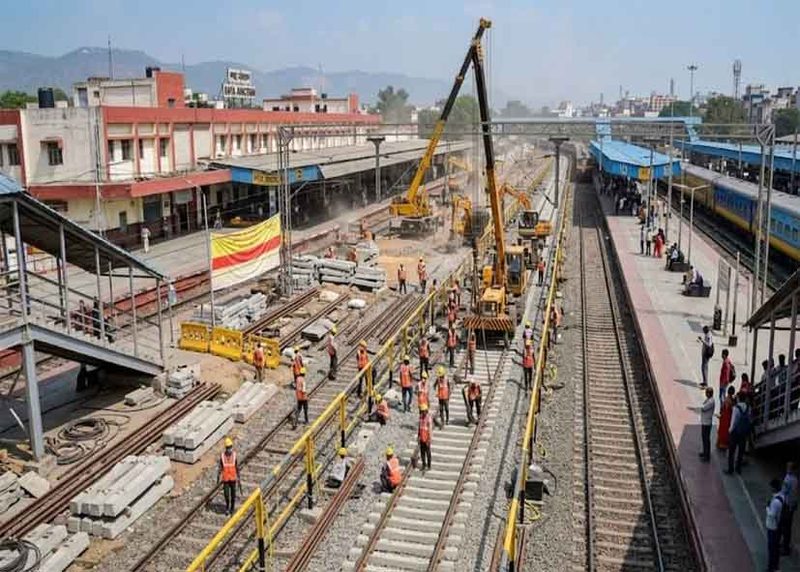
For most Indians, the railway station is the first impression of a city and the most-used public building in the country. Under the Amrit Bharat Station Scheme, launched in 2023, more than 1,300 stations across every state are being redeveloped as modern, accessible transport hubs. The programme is one of the largest station modernisation drives in the world, and its scale is the point: instead of rebuilding a handful of showcase terminals, the scheme spreads investment across small towns, pilgrim centres and district headquarters. This explainer looks at how the scheme is structured, what a redeveloped station actually gets, and the challenges of rebuilding stations while the trains keep running.
What the scheme covers
Amrit Bharat targets stations of all sizes, from major junctions to wayside halts, with the station list drawn up in consultation with state governments and members of parliament. The focus is on comprehensive, long-horizon redevelopment: master plans that anticipate passenger growth for decades rather than cosmetic touch-ups. Each station gets a customised plan reflecting local architecture, culture and traffic. The redevelopment is funded primarily through the railways’ own capital budget, which has grown sharply in recent years, supplemented by state contributions for approach roads and circulating areas. The idea is that a station should function as a city centre, a multimodal hub connecting trains with buses, metros and taxis, rather than an isolated platform.
What changes inside a redeveloped station
The standard package includes a redesigned station building with a modern facade inspired by local heritage, improved waiting halls and retiring rooms, clean and accessible toilets, lifts and escalators, free Wi-Fi, and better signage. Platforms get resurfaced with standardised tactile paving for the visually impaired, coach-indication displays and covered roofing. Foot overbridges are widened or replaced, and many stations get skywalks or subways to separate arriving and departing passenger flows. On the commercial side, stations gain executive lounges, food plazas, retail kiosks under the “one station one product” initiative that promotes local crafts, and roof-top solar panels. Divyangjan-friendly features, from ramps to accessible ticket counters, are built into every plan.
How heritage is handled
A distinctive feature of the scheme is its insistence on local identity. Station facades are designed to reflect regional architecture and culture: a station in Rajasthan might carry sandstone jaali work, one in Tamil Nadu might echo temple gopuram motifs, and stations near pilgrim towns incorporate religious symbolism. Heritage structures within station premises are preserved and restored rather than demolished. This approach is a deliberate break from the one-size-fits-all concrete boxes of the past, and it gives each redeveloped station a visual signature that travellers can recognise. Critics note that facades are the easiest part to get right, and that the real test is in maintenance, cleanliness and crowd management after the inauguration photographs fade.
Rebuilding while trains keep running
The hardest engineering challenge is phasing: stations must stay operational through years of construction. Work is sequenced platform by platform, with temporary sheds, diverted foot traffic and night-time working windows. Major junctions with dozens of daily trains require careful choreography between construction agencies and train operations. The railways has leaned on engineering, procurement and construction contracts with tight timelines, and progress is tracked publicly through dashboards. Delays are not uncommon, particularly where land acquisition for circulating areas or approach roads involves state agencies, and where old, undocumented utilities are discovered under century-old station yards.
What it means for passengers
For the daily commuter, the benefits are practical: less crowding at entry points, sheltered platforms, working escalators, cleaner toilets and reliable information displays. For long-distance travellers, better waiting halls, lounges and food options make layovers bearable. For cities, a redeveloped station can anchor commercial development around it, raising property values and formalising the chaotic ecosystem of vendors, porters and auto stands outside the gates. The scheme’s ambition is that in ten years, stepping off a train anywhere in India, from a metro terminus to a small district town, will feel like arriving somewhere that was designed for the purpose.
FAQs
How many stations are covered under Amrit Bharat? More than 1,300 stations across all states and union territories have been identified for redevelopment under the scheme.
Who pays for the redevelopment? The bulk of funding comes from Indian Railways’ capital budget, with states contributing on approach infrastructure and commercial development done through partnerships.
Will stations close during construction? No. Work is phased so stations remain operational, though passengers may face temporary diversions and construction zones.
The Amrit Bharat Station Scheme will be judged not on inauguration-day photographs but on whether a station in a small town in 2030 is clean, navigable and dignified. On that measure, the programme’s distributed scale, reaching far beyond the metros, is its most important design choice.
Source: Press Information Bureau

Khabar 24h Editorial Desk — our explainers are prepared by the Khabar 24h editorial team using AI-assisted research tools, and every piece is reviewed by a human editor before publishing. We do not claim original reporting: our work is turning complex topics into simple, accurate summaries. Spotted an error? Write to contact@khabar24h.com — our corrections policy aims for same-day review.
More from this author →