Vitiligo in India: Causes, Treatment and Tackling the Social Stigma
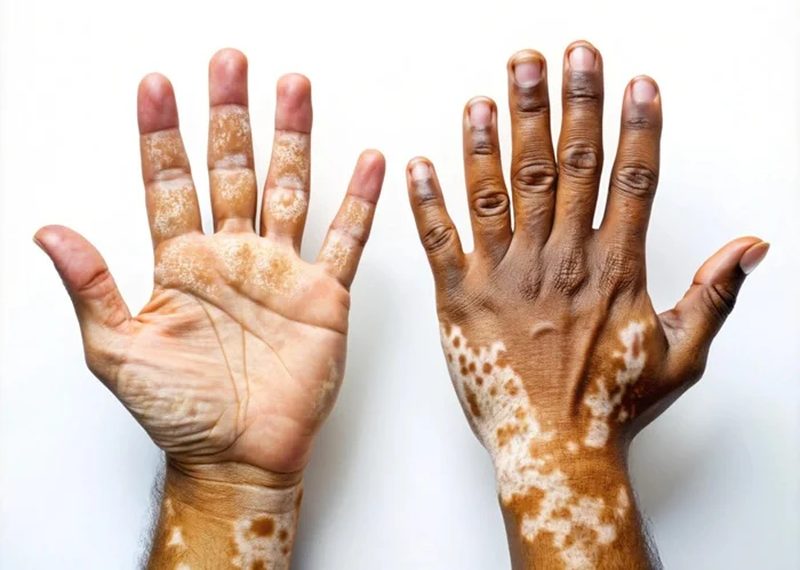
It begins as a small pale patch, perhaps on the knuckles or around the lips, and spreads unpredictably into maps of depigmented skin that draw stares, questions and, in India, a particular cruelty of stigma. Vitiligo affects an estimated 1 to 2 per cent of the population, is medically harmless, non-contagious and often treatable, yet Indians with vitiligo face discrimination in marriage, employment and social life that rivals far graver conditions. The contrast between the condition’s medical mildness and its social severity makes vitiligo one of dermatology’s most psychologically loaded diagnoses, and tackling it requires treating the stigma as seriously as the skin.
What vitiligo is
Vitiligo is an autoimmune condition in which the immune system destroys melanocytes, the pigment-producing cells, leaving well-defined white patches. It is not leprosy, a confusion that has caused immense harm in India, not contagious, not caused by eating fish with milk or any dietary combination, and not a sign of poor hygiene. Triggers for onset include genetic susceptibility, about a third of patients have affected relatives, autoimmune associations with thyroid disease, pernicious anaemia and type 1 diabetes, and sometimes physical trauma to skin, the Koebner phenomenon. The course is unpredictable: patches may spread, stabilise or occasionally repigment spontaneously.
Diagnosis and associated checks
Diagnosis is usually clinical, sometimes aided by a Wood’s lamp that accentuates depigmentation. Dermatologists check for associated autoimmune conditions, particularly thyroid function, given the overlap, and assess the extent and activity of disease to guide treatment. Distinguishing vitiligo from other pale-patch conditions, pityriasis versicolor, leprosy’s hypopigmented patches, post-inflammatory lightening, matters because treatments differ entirely. The leprosy confusion deserves emphasis: in rural India, white patches still prompt leprosy fears, delaying correct diagnosis and deepening ostracism.
Treatment: what modern dermatology offers
- Topical treatments: corticosteroids and calcineurin inhibitors like tacrolimus are first-line for limited disease, particularly effective on the face and neck.
- Phototherapy: narrowband UVB is the workhorse for widespread vitiligo, with good repigmentation rates over months of sessions.
- JAK inhibitors: ruxolitinib cream, a newer targeted therapy, has shown impressive repigmentation in trials and represents a genuine advance, though cost limits access in India.
- Surgical options: punch grafting and melanocyte transplantation for stable, localised patches unresponsive to medical therapy.
- Depigmentation therapy: for very extensive vitiligo, evening out remaining pigment, a considered choice requiring counselling.
- Realistic expectations: face and neck respond best; hands, feet and lips are stubborn; treatment takes months and maintenance prevents relapse.
The stigma: vitiligo’s real disease burden
Studies of Indian vitiligo patients document high rates of depression, anxiety and social withdrawal, particularly among young women, for whom marriage prospects are perceived to collapse with the diagnosis. Discrimination is overt: rejected matrimonial matches, workplace bias, intrusive public questioning, children bullied at school. The psychological burden often exceeds the dermatological one, yet dermatology appointments rarely screen for it. Support groups and patient communities, growing in Indian cities, provide what clinics often do not: the experience of being unremarkable. Media representation, from models with vitiligo to public figures speaking openly, slowly normalises what medicine alone cannot.
What families and society should do
Families set the tone: treating vitiligo as a catastrophe teaches the patient to do the same, while matter-of-fact acceptance inoculates against the world’s stares. Schools should address bullying directly. Employers should examine their biases. And the language matters: person with vitiligo, not vitiligo patient as identity. For the affected, psychological support is not an admission of weakness but treatment of the condition’s most damaging symptom. Dermatologists increasingly recognise that a vitiligo consultation is incomplete without asking about the patient’s life, not just their lesions.
FAQs
Is vitiligo contagious? Absolutely not. It cannot spread by touch, sharing food, or any contact; the autoimmune process is entirely internal.
Can diet cure vitiligo? No food causes or cures vitiligo; balanced nutrition supports general health, but restrictive diets promoted online have no evidence.
Will the patches keep spreading? Unpredictable; some stabilise for years, others progress. Early treatment of active disease offers the best chance of halting spread.
Vitiligo asks Indian society a question it has failed for too long: whether a visible difference warrants a diminished life. Medicine can now offer real repigmentation to many; what it cannot prescribe is acceptance, which must come from families, schools, employers and the staring stranger on the train. The patches are only skin deep. The stigma never was.
Compiled by the Khabar 24h Editorial Desk from publicly available sources.

Khabar 24h Editorial Desk — our explainers are prepared by the Khabar 24h editorial team using AI-assisted research tools, and every piece is reviewed by a human editor before publishing. We do not claim original reporting: our work is turning complex topics into simple, accurate summaries. Spotted an error? Write to contact@khabar24h.com — our corrections policy aims for same-day review.
More from this author →