Ayurveda vs Modern Medicine: Where They Agree and Where They Clash
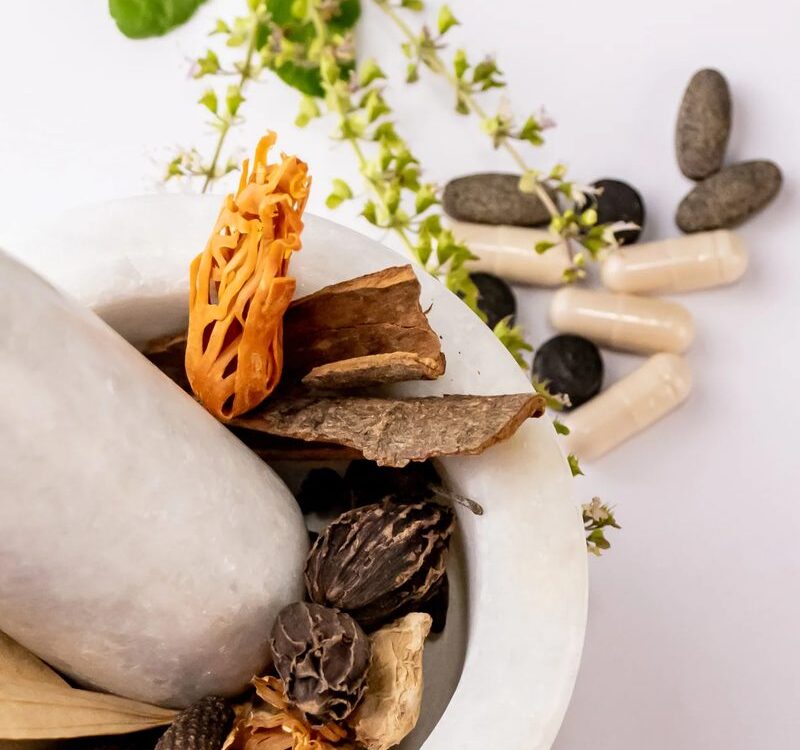
Few debates in Indian healthcare are as emotionally charged as Ayurveda versus modern medicine. One side sees a 3,000-year-old science dismissed by colonial-minded doctors; the other sees unproven remedies endangering patients who delay effective treatment. Both caricatures miss the reality. Ayurveda contains practices with genuine evidence, alongside claims that fail testing; modern medicine has blind spots where traditional approaches offer value. The grown-up question is not which system wins but where each works, where they conflict, and how patients can navigate both without getting hurt.
Where they agree
The convergence is larger than partisans admit. Both systems emphasise prevention, diet, exercise and lifestyle as the foundation of health; modern medicine’s current enthusiasm for lifestyle medicine echoes Ayurveda’s dinacharya and ritucharya. Both recognise the mind-body connection, stress as a disease driver, and the importance of digestion. Several Ayurvedic botanicals have yielded validated drugs: reserpine from sarpagandha became an early antihypertensive, and artemisinin, from traditional Chinese medicine, won a Nobel Prize, proving traditional pharmacopeias are legitimate drug-discovery libraries. Modern trials have found real efficacy for some Ayurvedic formulations in specific conditions, and integrative protocols are now studied seriously rather than dismissed.
Where they clash
- Evidence standards: modern medicine demands randomised trials; much of Ayurveda rests on classical texts and clinical tradition, which are not the same as evidence.
- Heavy metals: some rasa-shastra preparations contain lead, mercury or arsenic; studies have found toxic levels in certain products, a genuine safety issue modern medicine rightly flags.
- Delayed effective care: the most dangerous clash is not philosophical but practical, patients spending months on Ayurvedic treatment for cancers, heart disease or infections where delay worsens outcomes.
- Diagnosis: dosha-based diagnosis does not map to pathophysiology, limiting its use for conditions needing precise diagnosis.
- Standardisation: variable raw-material quality and manufacturing make dose and effect inconsistent across products.
What the clinical research actually shows
The evidence base is mixed but not empty. Randomised trials support certain Ayurvedic interventions: some formulations for osteoarthritis show efficacy comparable to conventional drugs in trials; ashwagandha shows stress and sleep benefits; turmeric’s curcumin has anti-inflammatory effects, albeit with bioavailability challenges. But many widely used preparations have never been tested rigorously, and the overall trial quality in Ayurveda research has historically been low, small samples, weak blinding, short follow-up. The Ministry of AYUSH’s research councils are funding better trials, and the direction is positive, but the gap between claims and evidence remains wide for most products.
Using both systems safely
Integration, done honestly, is pragmatic: use modern medicine for diagnosis, emergencies, infections, and conditions with proven treatments; consider Ayurveda for chronic, functional conditions where it has evidence and modern options are limited, always with disclosure to all treating doctors. Rules for safety: buy from licensed, GMP-certified manufacturers; avoid mercury, lead or arsenic-containing preparations unless prescribed by a qualified vaidya with monitoring; never stop prescribed modern medicines silently; beware of products secretly adulterated with steroids or sildenafil, a documented problem; and treat any practitioner, of either system, who guarantees cures or forbids other treatments as a red flag.
The policy landscape
India has given AYUSH systems institutional parity: a dedicated ministry, colleges, hospitals and insurance coverage for AYUSH treatments in some policies. Cross-pathy, practitioners of one system prescribing from another, remains contentious and legally restricted. The scientific challenge is to hold Ayurveda to evidence standards without dismissing its empirical heritage, and to hold modern medicine’s arrogance in check without lowering the bar. Patients deserve both rigour and openness.
FAQs
Can I take Ayurvedic and allopathic medicines together? Sometimes, but only with both doctors informed; interactions exist, e.g. some herbs affect blood thinning and blood sugar. Never combine silently.
Is Ayurveda free of side effects because it is natural? No. Natural substances are pharmacologically active; side effects, toxicity and interactions are all possible.
How do I find a qualified Ayurvedic doctor? Look for a BAMS degree from a recognised college; be cautious of unqualified practitioners and miracle-cure marketing.
Ayurveda and modern medicine need not be enemies; they are answers to different questions asked in different centuries, and the wise patient uses both where each is strongest. The test for any treatment, ancient or modern, is the same: does it work, is it safe, and is the claim honest about the evidence? Apply that test evenly, and the debate dissolves into something more useful: good medicine.
Compiled by the Khabar 24h Editorial Desk from publicly available sources.

Khabar 24h Editorial Desk — our explainers are prepared by the Khabar 24h editorial team using AI-assisted research tools, and every piece is reviewed by a human editor before publishing. We do not claim original reporting: our work is turning complex topics into simple, accurate summaries. Spotted an error? Write to contact@khabar24h.com — our corrections policy aims for same-day review.
More from this author →