Cancer Screening in India: Which Tests, at What Age, and Where
Cancer kills nearly a lakh Indians every month, yet the country screens for it at a fraction of the rate seen in developed nations. The tragedy is that several major cancers are curable when caught early and lethal when found late: cervical, breast and colorectal cancers all have proven screening tests, and oral cancer, India’s heavy burden, is detectable by simple examination. Screening does not prevent all cancers, but for these, it is among the most powerful tools medicine possesses. The gap in India is not technology but awareness, access and organisation.
Why screening matters: the stage shift
Screening works by finding cancer before symptoms appear, when it is smaller, localised and curable. A breast cancer found on mammography at 1 cm has a dramatically better prognosis than one found as a 5 cm lump. Cervical screening goes further: it finds precancerous changes that can be removed before cancer ever develops, making it true prevention. India’s cancer registries show the cost of late detection: a large share of breast, cervical and oral cancers present at stage III or IV, when treatment is gruelling and survival far lower. Countries with organised screening programmes show the mirror image.
Cervical cancer: the preventable cancer
India bears a huge share of the world’s cervical cancer burden, and this is the cancer where screening plus HPV vaccination could nearly eliminate the disease. Guidelines recommend screening from age 30: Pap smears every 3 years, HPV testing every 5 years where available, or visual inspection with acetic acid, VIA, in low-resource settings, a simple, cheap technique Indian programmes have used effectively. Women should continue screening until 65. The tragedy is that screening coverage in India remains in single digits in many states, even as the tools cost little.
Breast and colorectal screening
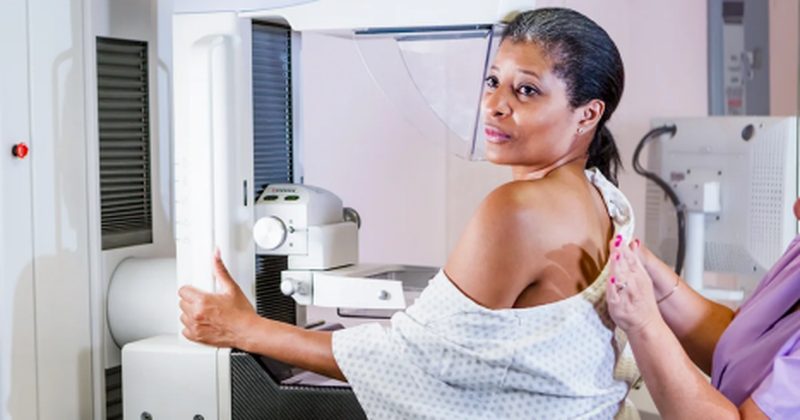
For breast cancer, mammography every 1 to 2 years from age 40 to 50, depending on the guideline followed, reduces mortality by detecting tumours before they are palpable. Indian women develop breast cancer roughly a decade earlier than Western women on average, which is why many Indian oncologists favour starting at 40. Clinical breast examination by a trained provider is a reasonable alternative where mammography is unavailable. Colorectal screening, from age 45, uses stool-based tests annually or colonoscopy every 10 years; awareness in India is minimal despite rising colorectal cancer rates in urban populations.
Oral cancer: India’s special burden
With tobacco and areca nut use widespread, oral cancer is among India’s commonest cancers, yet screening requires nothing more than a trained eye and adequate light. Dentists and primary-care doctors should examine the mouths of tobacco users regularly; any ulcer or white or red patch persisting beyond two to three weeks needs biopsy. A landmark trial in Kerala showed that systematic oral visual screening by trained health workers reduced oral cancer mortality in tobacco users. Self-examination, looking inside the mouth monthly, costs nothing and occasionally saves a life.
What about lung, prostate and other cancers?
- Lung: annual low-dose CT for heavy smokers aged 50 to 80 reduces lung cancer deaths; not recommended for never-smokers.
- Prostate: PSA testing from 50, earlier with family history, is a shared decision given overdiagnosis concerns; it finds cancers, but many would never have caused harm.
- Skin: no population screening recommended in India; report changing moles promptly.
- Ovarian, pancreatic, stomach: no proven screening tests for the general population; beware packages that claim otherwise.
- Whole-body scans and tumour-marker panels are not recommended screening tools.
Where Indians can get screened
Government district hospitals and many primary health centres offer VIA and clinical breast examination free under the national non-communicable disease programme. Mammography is available at government cancer centres and medical colleges at low cost, and widely in private diagnostics. HPV testing is increasingly available in cities. Several states run mobile screening camps. The practical advice: ask your doctor at your next visit which screenings you are due for, and do not wait for symptoms, which is precisely what screening is designed to precede.
FAQs
Does a normal screening test mean I am cancer-free? No test is perfect; screening reduces risk substantially but does not eliminate it. Report new symptoms even after normal screening.
Are mammograms painful or risky? Brief discomfort is common; radiation dose is tiny, far outweighed by the benefit in the screening age group.
Should young people be screened? Population screening targets ages where cancer is common enough for benefit to exceed harm. Young people should focus on HPV vaccination, tobacco avoidance and prompt evaluation of persistent symptoms.
India does not need new technology to cut cancer deaths; it needs to use the proven tools it already has. Cervical screening that prevents cancer outright, mammography that catches it small, and a torch-lit look inside a tobacco user’s mouth are among the cheapest life-saving interventions in medicine. The screening habit, once built, pays compound interest in lives.
Compiled by the Khabar 24h Editorial Desk from publicly available sources.

Khabar 24h Editorial Desk — our explainers are prepared by the Khabar 24h editorial team using AI-assisted research tools, and every piece is reviewed by a human editor before publishing. We do not claim original reporting: our work is turning complex topics into simple, accurate summaries. Spotted an error? Write to contact@khabar24h.com — our corrections policy aims for same-day review.
More from this author →