What Is AVOD? How Free Ad-Supported Streaming Is Reshaping Indian OTT
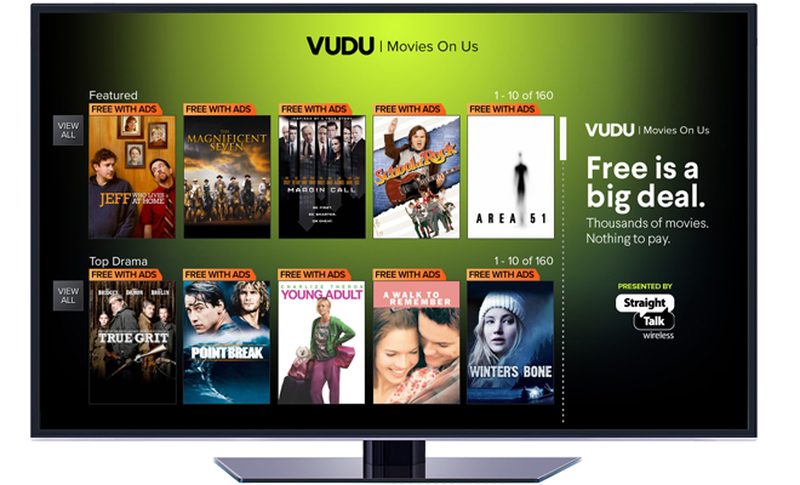
The fastest-growing segment of Indian streaming is the one viewers pay nothing for. AVOD — advertising-based video on demand — offers films, shows and live sports free, funding the entire operation through advertising. In a price-sensitive market of over a billion potential viewers, the free tier is not a marketing gimmick; it is the business model. Understanding AVOD explains why so much premium content in India costs the viewer nothing at all.
What AVOD actually is
The model is television’s oldest trick applied to the internet: the viewer watches for free, the advertiser pays. Platforms insert video ads — pre-rolls before content, mid-rolls during it — and sell that inventory to brands. What is new is the targeting: unlike broadcast TV, streaming platforms know who is watching, on what device, in which city, after watching what. That data lets advertisers buy precise audiences rather than broad time slots, commanding premium rates for premium inventory.
Pure AVOD platforms coexist with hybrid models. Most major Indian platforms now run both: a free ad-supported tier that maximises reach, and paid tiers that remove ads for those willing to pay. The free tier is the funnel — hundreds of millions sample the service, a fraction convert to paid, and the rest generate advertising revenue indefinitely.
Why AVOD fits India so well
Three Indian realities make AVOD unusually powerful. First, price sensitivity: a large share of the audience will not pay for entertainment but will tolerate ads, exactly as they did with free-to-air television. Second, scale: India’s internet user base is so large that even modest ad rates multiplied by hundreds of millions of viewers produce enormous revenue. Third, the advertising market itself: India’s digital ad spend has grown rapidly, and brands are shifting budgets from television to streaming video, chasing younger audiences who no longer watch linear TV.
Live sports proved the model’s ceiling. When marquee cricket tournaments streamed free with ads, concurrent viewership records shattered repeatedly — audiences in the hundreds of millions watching simultaneously. No subscription model could have assembled that audience; only free access could. Advertisers paid accordingly, and the event demonstrated that AVOD at Indian scale can fund even the most expensive content rights in the world.
How the ad technology works
Behind the free stream sits a sophisticated advertising stack. When a viewer presses play, the platform’s ad server runs an instantaneous auction: advertisers bid for that specific viewer based on demographic and behavioural data, the winning ad is stitched into the stream, and the platform records the impression. Dynamic ad insertion means two viewers watching the same show see different ads, each targeted to them.
The metrics brands buy:
- Impressions: the number of times an ad is served and viewed.
- Completion rate: how many viewers watch the ad to the end.
- Targeting precision: delivery to specific age, gender, city and interest cohorts.
- Attribution: whether viewers who saw the ad later bought the product.
Measurement and fraud prevention — ensuring ads are actually watched by humans, not bots — are constant industry preoccupations, with third-party verification becoming standard for large campaigns.
The viewer’s trade-off
AVOD’s bargain is explicit: your attention funds your entertainment. The costs to the viewer are ad interruptions, data collection for targeting, and typically lower streaming quality or device restrictions on free tiers. The benefit is obvious — premium content for nothing. Indian viewers, raised on ad-supported television, have largely accepted the trade, though ad-load tolerance has limits: platforms experiment constantly with the number and length of ad breaks to find the point where revenue is maximised without driving viewers away.
Content strategy follows the money. AVOD platforms favour broad-appeal content — films, reality shows, live sports, catch-up television — that aggregates the largest possible audiences. Niche, prestige originals remain the domain of subscription tiers, where a smaller, paying audience funds content advertisers would not.
FAQs
Is AVOD really free? Yes, in money terms — the platform earns from advertisers, not viewers. The viewer pays with attention and data.
Why do platforms offer both free and paid tiers? The free tier maximises reach and ad revenue; the paid tier monetises viewers who hate ads and want premium features. Together they extract more total revenue than either could alone.
Will AVOD replace subscriptions? Unlikely to replace them entirely, but in India it will remain at least as important — the market’s price sensitivity guarantees a huge permanent audience for free, ad-supported streaming.
AVOD is Indian streaming’s quiet giant: less glamorous than the subscription wars, but arguably more consequential. In a country where a billion people will watch but only a fraction will pay, free-with-ads is not the discount option — it is the main event.
Compiled by the Khabar 24h Editorial Desk from publicly available sources.

Khabar 24h Editorial Desk — our explainers are prepared by the Khabar 24h editorial team using AI-assisted research tools, and every piece is reviewed by a human editor before publishing. We do not claim original reporting: our work is turning complex topics into simple, accurate summaries. Spotted an error? Write to contact@khabar24h.com — our corrections policy aims for same-day review.
More from this author →