Exercise for Seniors: Safe Routines to Build Strength and Balance
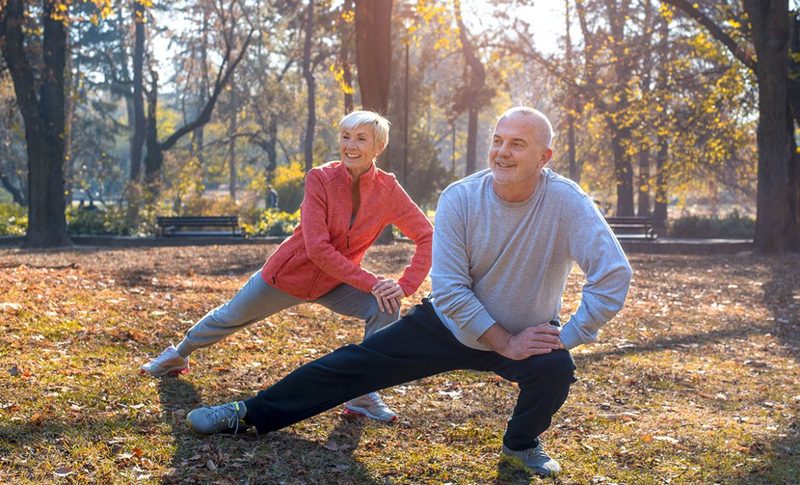
At 68, Meera joined her housing society’s morning exercise group because her knees ached on stairs. Six months later she carries her groceries up two floors and has not fallen once, after two falls the previous year. Her story is not exceptional; it is physiology. After 60, the body still adapts powerfully to exercise: muscles strengthen, bones densify, balance improves and the brain benefits. Yet older Indians are the least active age group, held back by fear of injury, the belief that rest is safer, and programmes designed for the young. The evidence points the other way: for seniors, the greater risk is not exercising.
Why exercise matters more after 60
Ageing brings sarcopenia, the progressive loss of muscle, at 3 to 8 per cent per decade, accelerating after 60; weaker muscles mean weaker balance, slower reactions and harder recoveries from illness. Bone density declines, particularly in postmenopausal women, raising fracture risk. But trials in adults in their 70s, 80s and even 90s show that resistance training rebuilds strength and muscle, balance training cuts fall rates by roughly a quarter, and aerobic exercise improves heart health, blood sugar and cognitive function. Exercise is also among the strongest protectors against depression and dementia in old age. In short, movement is the closest thing medicine has to a youth-preserving drug, and it is free.
The four pillars of a senior programme
- Strength, twice weekly: chair-assisted squats, wall push-ups, seated rows with a resistance band, step-ups on a low step. Start with body weight, progress gradually.
- Balance, most days: heel-to-toe walking, single-leg stands holding a chair, tai chi, which has the strongest fall-prevention evidence of any single practice.
- Aerobic, 150 minutes weekly of moderate activity: brisk walking, cycling, swimming; broken into 10-minute bouts if needed.
- Flexibility, daily gentle stretching: calves, hip flexors, chest and neck, holding stretches 20 to 30 seconds without bouncing.
A sample weekly routine
Monday and Thursday: 30 minutes of strength work, 8 to 10 exercises, 1 to 2 sets of 10 to 15 repetitions, resting a minute between exercises. Tuesday, Friday and Sunday: 30-minute brisk walks, with 10 minutes of balance practice twice a week, perhaps before the walk. Wednesday and Saturday: gentle stretching or a yoga class adapted for seniors. Every session begins with 5 minutes of easy marching or walking and ends with slow stretching. Progression is gradual: when 15 repetitions feel easy, add a light resistance band or a second set. Soreness for a day or two is normal; joint pain that persists is a signal to modify.
Safety rules and precautions
Medical clearance is wise for seniors with heart disease, uncontrolled blood pressure or diabetes, joint replacements, or severe osteoporosis before starting. Exercise near a sturdy support, chair, railing or wall, until balance is confident. Stay hydrated, particularly in Indian summers; morning sessions beat midday heat. Wear supportive footwear, not loose slippers. Stop and seek advice for chest pain, unusual breathlessness, dizziness or sharp joint pain. For those with significant frailty, starting with a physiotherapist for a few supervised sessions builds safe foundations. None of these precautions argues against exercising; they argue for exercising sensibly.
Overcoming the real barriers
The obstacles seniors cite are practical, not motivational: joint pain, fear of falling, no companions, no facilities. Each has an answer. Arthritic joints usually feel better, not worse, with appropriate strengthening; water-based exercise suits severe arthritis. Fear of falling is reduced by the very balance training feared. Group programmes in housing societies, parks and senior centres solve companionship and cost at once, and India’s growing network of laughter clubs and yoga groups shows the model works. Family encouragement matters enormously; the senior who is told to rest and be careful is being loved into frailty.
FAQs
Is walking enough after 60? Walking is excellent but incomplete; without strength and balance work, muscle and stability keep declining. Add both.
Can exercise help arthritic knees? Yes. Strengthening the quadriceps and hip muscles reduces knee pain and improves function in osteoarthritis; low-impact options protect the joints.
What if I have never exercised? Starting at 70 works. Studies of previously sedentary older adults show meaningful strength and balance gains within 12 weeks.
Ageing is inevitable; frailty is substantially optional. The senior who strength-trains twice a week, walks daily and practises balance is buying the most valuable commodity in old age: independence. India’s seniors do not need extreme fitness; they need the strength to climb stairs, the balance to avoid falls and the stamina to enjoy their grandchildren. That is an achievable prescription at any age.
Compiled by the Khabar 24h Editorial Desk from publicly available sources.

Khabar 24h Editorial Desk — our explainers are prepared by the Khabar 24h editorial team using AI-assisted research tools, and every piece is reviewed by a human editor before publishing. We do not claim original reporting: our work is turning complex topics into simple, accurate summaries. Spotted an error? Write to contact@khabar24h.com — our corrections policy aims for same-day review.
More from this author →