Cardio vs Weights for Fat Loss: What the Evidence Says
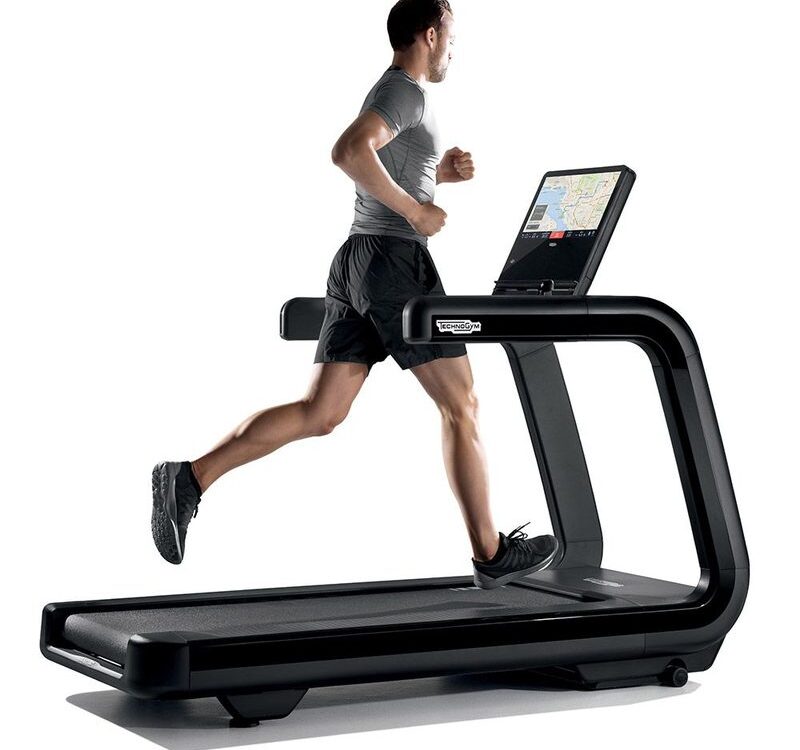
Walk into any gym and you will hear two competing fat-loss religions. The cardio faithful insist the treadmill is the answer; the iron devotees claim weights burn fat around the clock. Both contain truth and both mislead. Fat loss is ultimately governed by sustained energy deficit, and exercise contributes through calories burned, muscle preserved and metabolism supported. When researchers compare cardio and resistance training head-to-head for fat loss, the results are more nuanced, and more useful, than either camp admits.
What the head-to-head trials show
Randomised trials comparing aerobic training, resistance training and combined training during weight loss find that all three reduce fat, but with different signatures. Aerobic exercise tends to produce slightly greater total weight loss in the short term because sessions burn more calories per minute. Resistance training preserves, and can increase, lean muscle mass during dieting, which matters because muscle lost during dieting is hard to regain and its loss lowers metabolic rate. Combined training generally produces the best body-composition outcomes: fat down, muscle preserved. A landmark trial, the STRRIDE and subsequent resistance studies, confirmed that the combination beats either modality alone for improving body composition and metabolic health.
Why muscle preservation decides the long game
Most diets fail not in losing weight but in keeping it off, and muscle loss is a central reason. Each kilogram of muscle lost reduces daily energy expenditure, making regain easier. Cardio-only dieters frequently lose significant muscle alongside fat, emerging lighter but with a slower metabolism, the classic recipe for yo-yo weight regain. Resistance training defends muscle during the deficit, keeping metabolic rate higher. This is also why the scale can mislead: a person doing weights may lose fat while gaining muscle, showing little scale change but a transformed body composition. Waist measurement and progress photos track fat loss more honestly than weight alone.
The afterburn question
Excess post-exercise oxygen consumption, the afterburn, is real but routinely exaggerated. High-intensity exercise elevates metabolism for hours afterward, but the effect amounts to a small fraction of the session’s calorie burn, not the metabolic furnace of fitness marketing. Similarly, the claim that muscle burns huge calories at rest is overstated: a kilogram of muscle burns roughly 13 calories a day at rest. These effects are genuine but marginal; nobody should choose weights over cardio because of afterburn. Choose weights because of muscle preservation, strength, bone density and function.
Diet still dominates
An uncomfortable truth for both camps: exercise contributes modestly to fat loss compared with diet. A 45-minute run burns roughly the calories in a single restaurant naan basket; out-exercising a surplus diet is nearly impossible. Trials consistently show diet-plus-exercise beats exercise alone for weight loss. The Indian dietary context matters here: weight loss requires addressing the actual surplus, sugary beverages, fried snacks, large refined-carbohydrate portions, late-night eating, not just adding gym sessions to an unchanged diet. Exercise’s greatest fat-loss contribution may be indirect: better sleep, stress management and appetite regulation that make dietary adherence possible.
The evidence-based programme
- Maintain a moderate calorie deficit through diet, roughly 500 calories below maintenance, prioritising protein at 1.6 to 2.2 grams per kilogram to protect muscle.
- Lift weights 2 to 4 times weekly with progressive overload; this is non-negotiable for body composition.
- Add 150 to 300 minutes of moderate cardio weekly, walking, cycling, swimming, for calorie burn and heart health.
- Increase daily non-exercise activity: steps, stairs, standing; NEAT often exceeds formal exercise in total burn.
- Sleep 7 to 9 hours; short sleep sabotages fat loss by increasing hunger hormones and muscle loss during dieting.
FAQs
Can I lose belly fat specifically with ab exercises? No. Spot reduction is a myth; ab exercises strengthen the muscles beneath the fat. Belly fat falls with overall fat loss, where diet and full-body training matter.
Should I do cardio before or after weights? If fat loss and muscle are the goals, lift first when energy is highest, then do cardio. Separate sessions or days work equally well.
How fast should fat loss be? Around 0.5 to 1 per cent of body weight per week is sustainable; faster rates increase muscle loss and rebound risk.
Cardio versus weights was always the wrong question. Fat loss rewards the combination: diet creates the deficit, weights protect the muscle, cardio burns the calories, sleep and steps fill the gaps. The gym debate will continue, but the evidence has moved on. It says: do both, eat with intention, and measure your waist, not just your weight.
Compiled by the Khabar 24h Editorial Desk from publicly available sources.

Khabar 24h Editorial Desk — our explainers are prepared by the Khabar 24h editorial team using AI-assisted research tools, and every piece is reviewed by a human editor before publishing. We do not claim original reporting: our work is turning complex topics into simple, accurate summaries. Spotted an error? Write to contact@khabar24h.com — our corrections policy aims for same-day review.
More from this author →