How Costume Designers Dress Bollywood’s Period Dramas
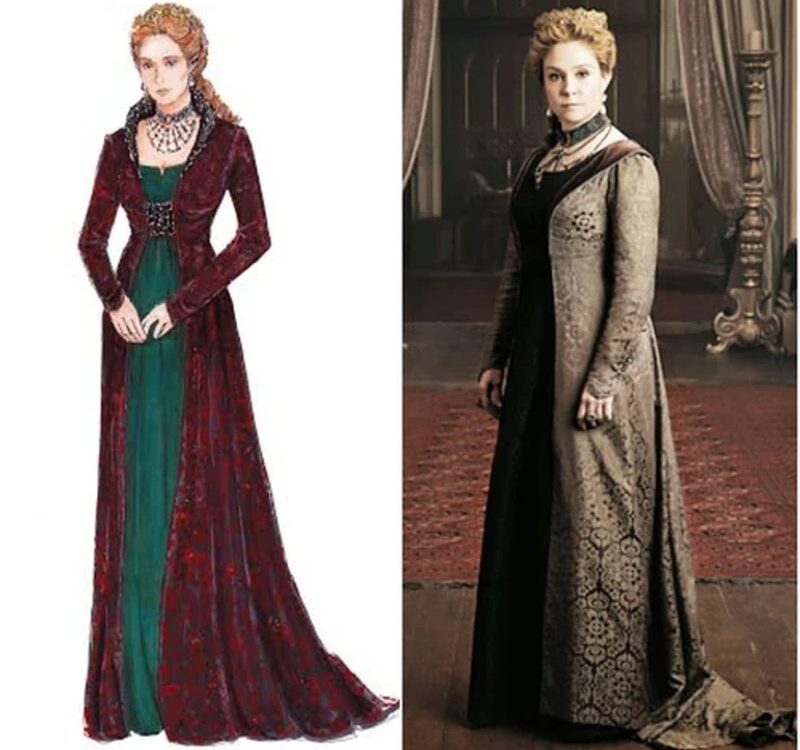
When a queen sweeps into a palace courtyard in a swirl of embroidered silk, or a warrior strides onto a battlefield in armour that gleams with historical weight, the audience is seeing months of invisible labour. Costume designers on Bollywood’s period dramas are part historian, part artist and part engineer, tasked with dressing hundreds of actors in clothing that must look authentic to a bygone era, flatter modern stars, survive action sequences and read beautifully on camera. It is one of cinema’s most demanding crafts.
Research: getting the history right
Every period production begins in the library and the museum. Designers study miniature paintings, sculptures, historical texts, surviving garments and scholarly research to understand how people actually dressed: the cuts, the drapes, the fabrics, the jewellery, the way clothing signalled rank, region and occasion. For well-documented eras like the Mughal period, reference material is rich; for ancient or sparsely recorded periods, designers must extrapolate carefully from archaeology and art.
But historical accuracy is only the starting point. Cinema is not a museum: costumes must serve drama. Designers make deliberate choices about where to be faithful and where to interpret, heightening colours, refining silhouettes and adding visual signatures that help audiences distinguish characters and factions. The goal is not a textbook; it is a world that feels true while looking spectacular.
From sketch to garment
Designs begin as sketches, refined through discussions with the director about each character’s arc: how their clothing should evolve as their fortunes change. A hero might start in simple fabrics and ascend to regal finery; a fallen noble might wear faded grandeur. These arcs are mapped across the entire script before a single garment is cut.
Construction is a small industry in itself. Master tailors, embroiderers, dyers, jewellers and armourers work for months, often producing multiple copies of every costume: hero versions for close-ups, stunt versions that can be torn and dirtied, duplicates for long shooting schedules. Embroidery alone can consume thousands of artisan hours on a major production, drawing on India’s living traditions of zardozi, gota patti, chikankari and other crafts. Fabrics are frequently hand-woven or custom-dyed to achieve colours no mill produces.
Dressing the stars and the crowds
- Principal costumes: bespoke garments for lead actors, fitted precisely and built in multiples for stunts and continuity.
- Supporting cast: individually designed costumes that establish character and social world.
- Crowds and armies: hundreds or thousands of background costumes, often rented, adapted and aged in bulk.
Fitting stars in period clothing is a diplomatic art. Modern actors must move, fight, dance and emote in garments designed for a different century’s body language. Designers adapt historical silhouettes for comfort and mobility, hide modern support structures inside, and ensure costumes survive action sequences. Crowd scenes present a different challenge: dressing hundreds of extras so that no two look identical on camera, a logistical feat of organisation.
Ageing, continuity and the camera
New costumes look wrong on camera: too crisp, too clean, too obviously fresh. Ageing artists distress garments with dyes, abrasion and paint, giving them the lived-in quality of real clothing. Continuity teams photograph every costume from every angle so that a scene shot over five days looks like five minutes, tracking stains, tears and the exact drape of a dupatta.
Finally, everything is judged through the camera’s eye. Colours that look rich in person may flare or dull under film lighting; intricate embroidery may vanish in wide shots or dazzle in close-ups. Designers conduct camera tests early, adjusting palettes and textures until the costumes deliver their full glory on screen.
FAQs
How long does it take to create costumes for a period epic? Typically six months to over a year of pre-production, with workshops running through the shoot to produce new costumes and maintain existing ones.
Are the jewellery and fabrics real? Lead pieces are often real or high-quality reproductions using traditional techniques; crowd jewellery is usually well-crafted imitation. Fabrics range from genuine handloom silks to clever substitutes that photograph identically.
What happens to costumes after filming? They are archived by production houses, auctioned, exhibited, or rented to other productions, a quiet afterlife for garments that took months to create.
Period costumes are history made wearable: behind every regal entrance lies a workshop of artisans, researchers and designers who stitched a lost world back into being, one garment at a time.
Source: Vogue India

Khabar 24h Editorial Desk — our explainers are prepared by the Khabar 24h editorial team using AI-assisted research tools, and every piece is reviewed by a human editor before publishing. We do not claim original reporting: our work is turning complex topics into simple, accurate summaries. Spotted an error? Write to contact@khabar24h.com — our corrections policy aims for same-day review.
More from this author →