Elderly Vaccination: Flu, Pneumonia and Shingles Shots After 60
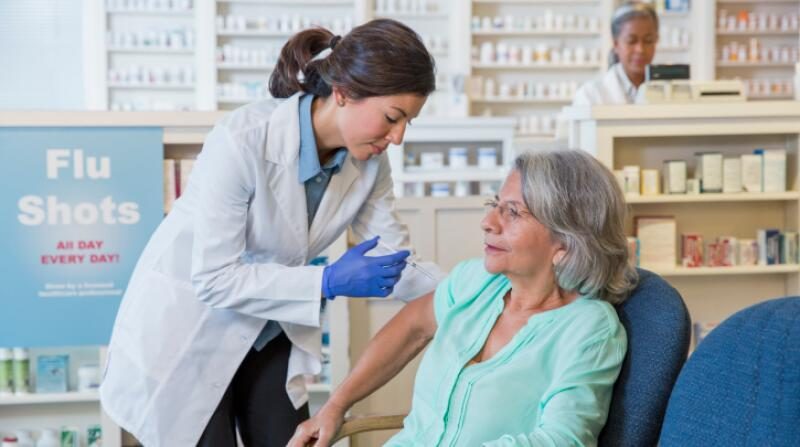
Childhood vaccination gets the attention; elderly vaccination gets the neglect. Yet Indians over 60 face the highest risk from influenza, pneumonia and shingles, diseases that hospitalise and kill older adults in large numbers every year, and vaccines that prevent them are safe, effective and increasingly available. India’s immunisation programme focuses on children, leaving adult vaccination to individual initiative and patchy awareness. The result: single-digit coverage among the elderly for shots that could prevent enormous suffering. After 60, the immune system weakens (immunosenescence), chronic diseases accumulate, and infections hit harder; vaccination is not optional extras but essential protection.
Flu vaccine: the annual shield
Influenza kills through pneumonia, heart attacks and exacerbation of chronic disease, and the elderly bear the brunt. The inactivated flu vaccine, reformulated each year for circulating strains, cuts hospitalisation and death substantially in older adults. It is recommended annually for everyone over 60, and for younger adults with diabetes, heart, lung, kidney or liver disease. The best time in India is before the monsoon and winter peaks, though any time in the season helps. Side effects are mild: sore arm, low fever for a day. The myth that the flu shot causes flu is false; it contains no live virus. Annual repetition is necessary because strains evolve and immunity wanes, not because the vaccine failed.
Pneumonia vaccines: pneumococcal protection
Streptococcus pneumoniae causes pneumonia, meningitis and bloodstream infections that are especially lethal after 60. Two vaccine types exist: the conjugate vaccine (PCV, covering 13-20 serotypes) and the polysaccharide vaccine (PPSV23, covering 23 serotypes). Indian and international guidance generally recommends pneumococcal vaccination for all adults over 60-65, with schedules combining the two types for broader protection; those with chronic disease, cochlear implants, or absent spleens need it earlier. A single course provides years of protection. Given that pneumonia is a leading cause of hospitalisation in India’s elderly, this is among the highest-value adult vaccines available.
Shingles vaccine: preventing a painful ordeal
Shingles (herpes zoster) is the reactivation of the chickenpox virus dormant in nerves, causing a painful blistering rash, usually on one side of the torso or face. The real horror is postherpetic neuralgia: burning nerve pain persisting months or years after the rash, resistant to treatment and devastating in the elderly. The recombinant shingles vaccine (two doses) is over 90 per cent effective at preventing shingles and its neuralgia, recommended from age 50. It is available in India’s private market, though cost limits uptake. Anyone who has had chickenpox, which is nearly everyone, carries the dormant virus and is a candidate. This is prevention of suffering that painkillers cannot undo.
Other shots worth discussing
Several more deserve a conversation with the doctor. Tetanus-diphtheria boosters every 10 years remain relevant, especially for those with soil exposure or injury risk. Hepatitis B vaccination suits elders with diabetes (shared glucometers and frequent injections raise risk) or liver disease. COVID-19 boosters continue to be advised for the elderly as variants evolve. Typhoid and hepatitis A vaccines are situational, based on travel and risk. The principle: vaccination status should be reviewed at 60 the way children’s cards are reviewed at birth, creating an adult immunisation record most Indians have never had.
Making it happen
Awareness is the main barrier, not availability: most vaccines are stocked at private hospitals and large pharmacies, and costs, while out-of-pocket, are modest against a hospitalisation bill. Adult children should take the initiative, since elderly parents rarely seek vaccination themselves. Doctors should raise it proactively during routine visits for diabetes, hypertension or cardiac care. Myths need countering: vaccines do not overload the ageing immune system, side effects are mild and brief, and natural immunity from surviving the disease is a dangerous gamble at 70. A yearly pre-monsoon ritual, flu shot plus a review of pneumonia and shingles status, protects the decade ahead.
FAQs
Can I take flu and pneumonia vaccines together? Yes. Co-administration is safe and commonly done, often in different arms.
Are these vaccines safe with diabetes and heart disease? Yes, and especially important: chronic disease raises infection risk, which is precisely why vaccination is prioritised.
Do I need shingles vaccine if I never had chickenpox? Almost all Indian adults had subclinical chickenpox; the vaccine is recommended regardless from age 50.
Elderly vaccination is preventive medicine at its most efficient: a few shots preventing hospitalisations, prolonged pain and death. India’s elders protected the family for decades; protecting them with flu, pneumonia and shingles vaccines is the family’s turn.
Compiled by the Khabar 24h Editorial Desk from publicly available sources.

Khabar 24h Editorial Desk — our explainers are prepared by the Khabar 24h editorial team using AI-assisted research tools, and every piece is reviewed by a human editor before publishing. We do not claim original reporting: our work is turning complex topics into simple, accurate summaries. Spotted an error? Write to contact@khabar24h.com — our corrections policy aims for same-day review.
More from this author →