Hand, Foot and Mouth Disease: The Childhood Infection Parents Should Know About
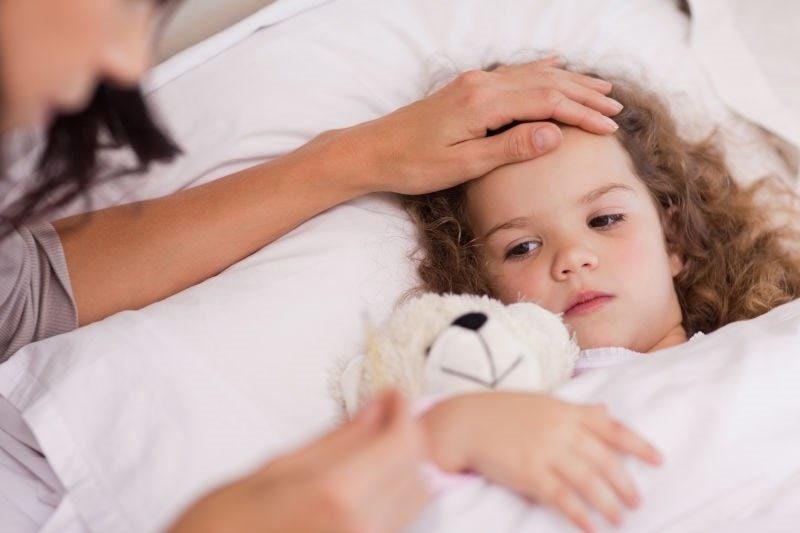
It starts with a fever and a fussy toddler who refuses to eat, and within a day or two the telltale signs appear: sores in the mouth and a rash of small spots on the hands, feet and sometimes the buttocks. Hand, foot and mouth disease (HFMD) sweeps through Indian preschools and daycares every year, alarming parents who have never seen it. The reassuring news first: in the vast majority of children it is a mild, self-limiting viral illness that resolves in a week to ten days. But knowing what it is, how to care for it, and which warning signs matter turns panic into competent care.
What causes it and how it spreads
HFMD is caused by enteroviruses, most commonly coxsackievirus A16 and enterovirus 71. It spreads with remarkable efficiency among young children: through saliva, nasal secretions, fluid from blisters, stool, and contaminated surfaces and toys. The incubation period is 3 to 6 days, and children are most contagious in the first week of illness, though the virus can shed in stool for weeks afterward. Outbreaks cluster in monsoon and post-monsoon months in India, thriving in the close quarters of playschools. Adults can catch it too, usually mildly, and can carry it home to children. There is no vaccine in routine Indian use, so hygiene is the defence.
Symptoms: the classic pattern
The illness typically begins with fever, sore throat and general crankiness, followed within a day or two by painful mouth sores, small red spots that become ulcers on the tongue, gums and inside of cheeks, making eating and drinking painful. The rash follows: flat or slightly raised red spots, sometimes with blisters, on the palms, soles and buttocks, usually not itchy. Some children develop only the mouth sores or only the rash. Appetite drops, drooling increases in toddlers, and sleep suffers. The whole episode generally lasts 7 to 10 days, with the mouth sores the most distressing part. Skin may peel on hands and feet as it heals, which looks alarming but is harmless.
Home care: comfort and hydration
There is no specific antiviral treatment; care is supportive, and done well it makes the week bearable.
- Prioritise fluids: dehydration is the main risk; offer cold milk, coconut water, diluted juices and soups frequently.
- Serve soft, cool foods: curd, khichdi, mashed banana and porridge; avoid spicy, salty, acidic and rough foods that sting sores.
- Manage pain and fever: paracetamol in correct weight-based doses; avoid aspirin in children.
- Do not burst blisters: keep the rash clean and dry; apply nothing unless the doctor advises.
- Rest, not isolation: keep the child home from school until fever-free and mouth sores healing, usually about a week.
Antibiotics do not help viral HFMD and should not be demanded; they are only for secondary bacterial infection, which a doctor would diagnose.
How it differs from lookalikes
Several conditions mimic HFMD. Chickenpox produces itchy blisters concentrated on the trunk and face in successive crops, unlike HFMD’s palm-sole-mouth distribution. Herpangina causes mouth sores without the hand-foot rash. Measles brings high fever with cough, cold and red eyes plus a spreading rash. Allergic rashes itch intensely and lack mouth ulcers. When in doubt, a paediatrician distinguishes them quickly; the distribution pattern is the biggest clue. Accurate identification matters because isolation advice and complication risks differ.
Warning signs: when to seek care
Complications are uncommon but real, and enterovirus 71 can, rarely, cause neurological or cardiac involvement. Seek prompt medical care for: signs of dehydration (very dry mouth, no tears, markedly reduced urine), inability to swallow fluids, persistent high fever beyond three days, unusual drowsiness or irritability, neck stiffness, limb weakness, rapid breathing or racing heart. These are uncommon, but knowing them means never missing the rare serious case. Most children need nothing more than one reassuring paediatric visit and good home care.
FAQs
Can my child get it twice? Yes. Immunity is strain-specific, and multiple enteroviruses cause HFMD, so repeat episodes happen.
Should siblings be separated? Practical hygiene, handwashing, not sharing utensils, disinfecting toys, matters more than perfect isolation; some spread within households is common.
Is it related to foot-and-mouth disease in cattle? No. Despite the similar name, they are entirely different diseases.
Hand, foot and mouth disease is a rite of passage of Indian childhoods: unpleasant, highly visible, and overwhelmingly benign. Cool fluids, soft foods, paracetamol, patience and an eye on the warning signs will see most families through the week, until the spots fade and appetite returns.
Compiled by the Khabar 24h Editorial Desk from publicly available sources.

Khabar 24h Editorial Desk — our explainers are prepared by the Khabar 24h editorial team using AI-assisted research tools, and every piece is reviewed by a human editor before publishing. We do not claim original reporting: our work is turning complex topics into simple, accurate summaries. Spotted an error? Write to contact@khabar24h.com — our corrections policy aims for same-day review.
More from this author →