IVF and IUI in India: Costs, Success Rates and What to Expect
For the one in six Indian couples facing infertility, assisted reproduction has moved from whispered secret to mainstream medicine. India now hosts hundreds of IVF clinics, costs a fraction of Western prices, and treats patients from across the world. Yet the journey remains emotionally and financially demanding, and the industry’s marketing often outpaces its honesty: inflated success rates, add-on treatments of dubious value and opaque billing are common complaints. Couples deserve a clear-eyed guide to what IUI and IVF involve, what they truly cost in India, what success rates to expect, and how to choose a clinic wisely.
IUI: the simpler first step
Intrauterine insemination is the gentlest assisted technique. Prepared, concentrated sperm is placed directly into the uterus around ovulation, often with mild ovarian stimulation. It suits mild male-factor issues, unexplained infertility and cervical factor problems, and is sometimes tried for two to three cycles before IVF. The procedure takes minutes, needs no anaesthesia and costs roughly 10,000 to 25,000 rupees per cycle in India. Success rates are modest, about 10 to 15 per cent per cycle in well-selected cases, which is why guidelines limit attempts before moving on. IUI is not mini-IVF; when tubes are blocked, sperm counts severely low or maternal age high, skipping straight to IVF saves time and money.
IVF: what a cycle actually involves
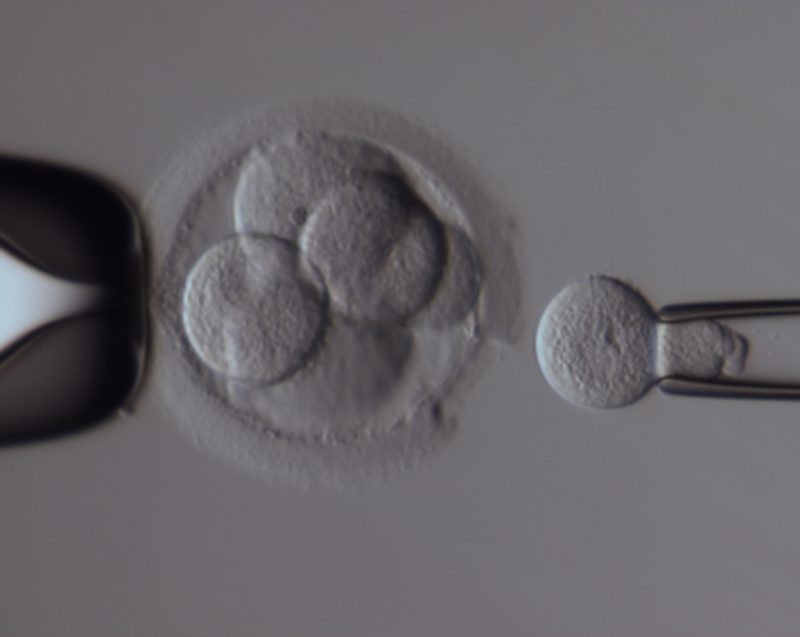
In vitro fertilisation fertilises eggs outside the body. A cycle runs roughly two to three weeks: ovarian stimulation with daily hormone injections grows multiple follicles, monitored by ultrasound; egg retrieval, a 20-minute procedure under sedation, collects the eggs; fertilisation happens in the lab, conventionally or via ICSI, where a single sperm is injected into each egg; embryos develop for three to five days; and one or two are transferred to the uterus in a painless procedure, with extras frozen. The two-week wait for the pregnancy test is famously agonising. Side effects include injection-site soreness, bloating, mood swings and, rarely, ovarian hyperstimulation syndrome, now uncommon with modern protocols. Most women continue normal life with minor modifications.
Costs in India: the honest maths
A standard IVF cycle in India costs roughly 1 to 2.5 lakh rupees in most cities, more in premium clinics, covering stimulation drugs, monitoring, retrieval, lab work and transfer. ICSI adds to the bill where needed. Frozen embryo transfers cost less than fresh cycles. Medicines alone can run 50,000 to 1 lakh. Add-ons, assisted hatching, embryo glue, PGT genetic testing, are frequently upsold with thin evidence; couples should ask for proof of benefit. Since most couples need more than one cycle, budgeting for two to three attempts is realistic. Insurance coverage in India is improving but still patchy; some corporate policies and state schemes now include fertility benefits. Always get itemised written estimates, and clarify what happens to costs if a cycle is cancelled midway.
Success rates: reading the numbers honestly
Age dominates everything. Per-cycle live birth rates are roughly 40 to 50 per cent under 35, declining to 20 to 30 per cent in the late thirties and below 10 per cent after 42, using the woman’s own eggs. Clinics advertising 70 to 80 per cent success are quoting selected subgroups, cumulative rates across cycles, or pregnancy rates rather than live births; ask specifically for live birth rate per embryo transfer in your age group. Cumulative success across two to three cycles is substantially higher than single-cycle figures, which is the more meaningful number for planning. Donor eggs transform prospects for older women, with success rates matching the donor’s age. No clinic can guarantee a baby; guarantees are a red flag, not a reassurance.
Choosing a clinic without getting misled
Look for transparent, age-stratified success data reported to registries, an in-house embryology lab with experienced embryologists, and doctors who explain rather than sell. Be wary of guaranteed packages, pressure to decide immediately, routine recommendation of unproven add-ons, and prices far below market, which signal corner-cutting. A good clinic discusses when not to treat, counsels about donor options honestly, and offers psychological support. Second opinions are normal and wise. And remember the fundamentals: the woman’s age and ovarian reserve, the sperm’s health, and lifestyle factors like weight and smoking influence outcomes more than any clinic’s branding.
FAQs
Are IVF babies healthy? Yes. Large studies show IVF children are as healthy as naturally conceived ones; the slightly higher risks seen relate mostly to multiple pregnancies, which single-embryo transfer avoids.
How many cycles should we try? Most specialists suggest reassessing after three good-quality cycles; persistence beyond that has diminishing returns.
Does IVF require bed rest? No. Normal activity after transfer is fine; strict bed rest does not improve outcomes.
IVF and IUI offer genuine hope backed by real science, at prices India has made comparatively humane. The couples who navigate it best are informed ones: understanding the process, budgeting honestly, reading success rates sceptically and choosing clinics for competence over marketing. Hope, tempered with clarity, is the right prescription.
Compiled by the Khabar 24h Editorial Desk from publicly available sources.

Khabar 24h Editorial Desk — our explainers are prepared by the Khabar 24h editorial team using AI-assisted research tools, and every piece is reviewed by a human editor before publishing. We do not claim original reporting: our work is turning complex topics into simple, accurate summaries. Spotted an error? Write to contact@khabar24h.com — our corrections policy aims for same-day review.
More from this author →