Thyroid Disorders Explained: Hypothyroidism vs Hyperthyroidism
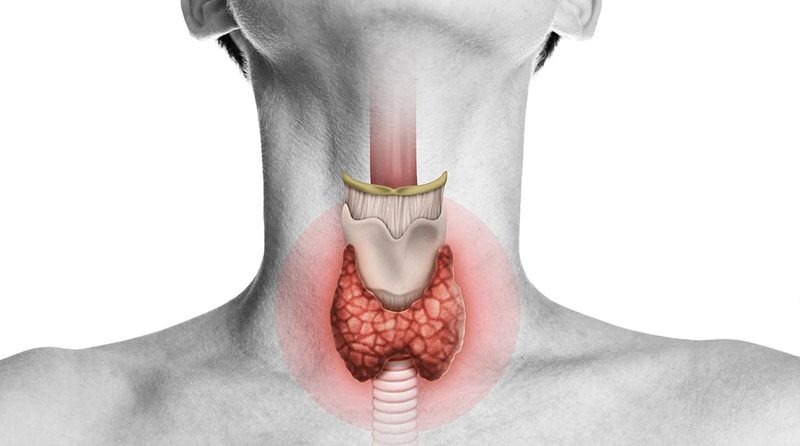
The thyroid, a butterfly-shaped gland at the base of the neck, weighs less than 30 grams yet sets the metabolic pace of the entire body. When it underperforms (hypothyroidism) or overperforms (hyperthyroidism), the effects ripple everywhere: weight, energy, heart rate, mood, skin, hair and fertility. Thyroid disorders are among India’s most commonly diagnosed hormonal conditions, especially in women, and also among the most treatable. Yet confusion reigns: symptoms overlap with stress, ageing and depression, self-medication with thyroid hormones is rampant, and internet advice contradicts doctors. A clear map of the two main disorders helps.
What the thyroid does
The thyroid produces thyroxine (T4) and triiodothyronine (T3), hormones that regulate how fast cells burn energy. The pituitary gland controls it via thyroid-stimulating hormone (TSH): when thyroid hormones run low, TSH rises to push harder, and vice versa. This feedback loop is what blood tests read. Iodine, obtained from iodised salt, is the raw material; without it the gland enlarges into a goitre. The system is delicate and precise, which is why even small hormone shifts produce noticeable symptoms, and why replacement therapy, when dosed correctly, restores people so completely.
Hypothyroidism: when the gland slows down
An underactive thyroid slows everything. Classic symptoms include fatigue, weight gain, feeling cold, constipation, dry skin, hair fall, puffy face, hoarseness, muscle cramps, heavy periods and low mood. In India the leading cause is Hashimoto’s thyroiditis, an autoimmune attack on the gland, followed by iodine deficiency in pockets, post-pregnancy thyroiditis and treatment effects. Diagnosis rests on high TSH with low free T4; a mildly raised TSH with normal T4 is subclinical hypothyroidism, treated selectively. Treatment is beautifully simple: daily levothyroxine, a synthetic T4 identical to the body’s own, taken on an empty stomach 30 to 60 minutes before food or other medicines. Doses are titrated to normalise TSH, and most people feel themselves again within weeks. It is lifelong in most cases, cheap, and safe in pregnancy when monitored.
Hyperthyroidism: when the gland races
An overactive thyroid accelerates everything: weight loss despite good appetite, heat intolerance, sweating, tremor, palpitations, anxiety, irritability, frequent bowel movements, light or scanty periods, and muscle weakness. The eyes may bulge in Graves’ disease, the commonest cause, an autoimmune condition where antibodies stimulate the gland. Other causes include toxic nodules and thyroiditis. Diagnosis shows suppressed TSH with high free T4/T3. Treatment has three paths: anti-thyroid drugs like carbimazole that block hormone production, usually for 12 to 18 months; radioactive iodine that shrinks the gland, often leading to eventual hypothyroidism managed with levothyroxine; and surgery for large goitres or suspicious nodules. Beta-blockers provide quick symptom relief while definitive treatment works. Untreated hyperthyroidism strains the heart and thins bones, so it should never be ignored.
Key differences at a glance
The two disorders are near-mirror images, which helps in telling them apart.
- Weight: gain in hypo, loss in hyper.
- Temperature: cold intolerance in hypo, heat intolerance in hyper.
- Heart rate: slow in hypo, fast or irregular in hyper.
- Bowel habits: constipation in hypo, frequent motions in hyper.
- Mood: sluggish depression in hypo, anxious irritability in hyper.
- TSH: high in hypo, suppressed in hyper.
- Treatment direction: hormone replacement in hypo, hormone suppression or gland ablation in hyper.
Both can cause hair fall, fatigue and menstrual changes, which is why blood tests, not symptoms, make the diagnosis.
Living well with thyroid disease
A few habits make treatment smooth. Take levothyroxine consistently, away from calcium, iron, coffee and soy, which impair absorption. Recheck TSH 6 to 8 weeks after any dose change, then every 6 to 12 months. Inform doctors before surgery or when starting drugs like PPIs or oestrogen that affect levels. In pregnancy, thyroid needs rise, so test early and often; both untreated hypo and hyperthyroidism risk the baby. Eat iodised salt, but do not megadose iodine supplements or seaweed, which can worsen autoimmune thyroiditis. And beware of miracle cures: no diet, yoga sequence or supplement replaces hormone therapy, though a healthy lifestyle supports overall recovery.
FAQs
Can thyroid disorders be cured? Hypothyroidism is usually managed lifelong, though post-pregnancy cases may resolve; hyperthyroidism can remit after medication or be definitively treated with radioiodine or surgery.
Does hypothyroidism always cause weight gain? Typically 2 to 5 kg from slowed metabolism and fluid; larger gains usually involve diet and activity too, and treatment alone rarely melts weight.
Should everyone get thyroid tested? Testing is wise for women planning pregnancy, newborns (mandatory screening), people with symptoms, and those with family history or autoimmune disease.
Thyroid disorders are common, diagnosable with a simple blood test and among the most gratifying conditions to treat. Whether the gland needs a daily top-up or careful calming, modern medicine restores what the disorder stole: energy, stability and the body’s normal rhythm.
Compiled by the Khabar 24h Editorial Desk from publicly available sources.

Khabar 24h Editorial Desk — our explainers are prepared by the Khabar 24h editorial team using AI-assisted research tools, and every piece is reviewed by a human editor before publishing. We do not claim original reporting: our work is turning complex topics into simple, accurate summaries. Spotted an error? Write to contact@khabar24h.com — our corrections policy aims for same-day review.
More from this author →