Hypertension in India: Why Young Adults Are Getting It and How to Bring It Down
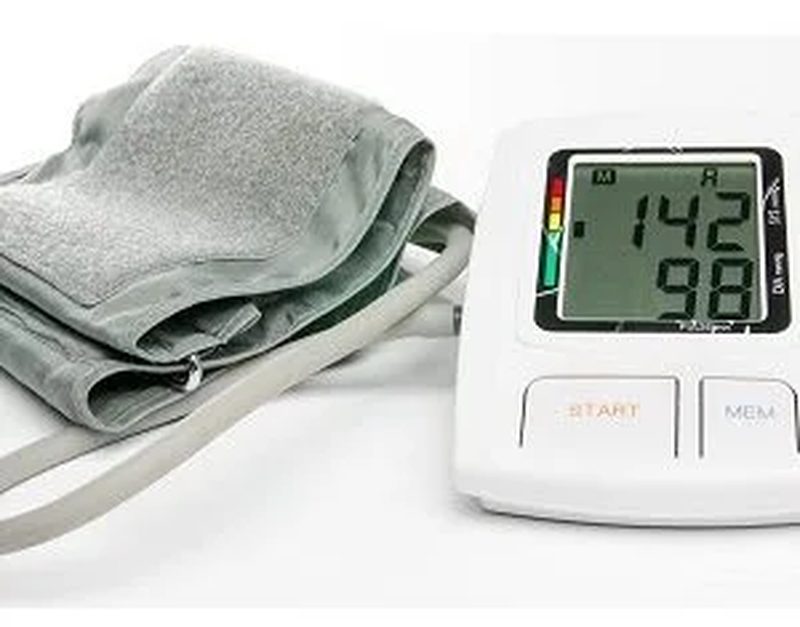
High blood pressure was once considered an old person’s disease in India. Not anymore. Cardiologists across the country report a steady stream of patients in their twenties and thirties with readings that once belonged to their grandparents. Studies suggest roughly one in four Indian adults has hypertension, and the numbers are climbing fastest among the young and urban. The cruel feature of hypertension is its silence: it damages arteries, heart, brain and kidneys for years without a single symptom, announcing itself only through a stroke, heart attack or kidney failure. Understanding why it is striking young, and how to reverse course, has become urgent.
Why young Indians are getting hypertensive
The drivers are modern life compressed into a decade. Chronic stress from competitive careers, long commutes and financial pressure keeps the nervous system in overdrive. Sleep has shrunk: late nights, shift work and screen-glued evenings deprive the body of the blood pressure dip that healthy sleep provides. Diets have shifted toward salty, processed and restaurant food while fruit, vegetable and potassium intake lags. Physical activity has collapsed for desk workers, and weight gain, especially abdominal fat, pushes pressure upward. Smoking, vaping and heavy alcohol use add their share. Underneath it all, South Asians appear more salt-sensitive and develop vascular complications earlier, so lifestyle damage shows up sooner than in Western populations.
The silent damage it does
Blood pressure is the force of blood against artery walls, and sustained elevation injures every organ the arteries feed. In the brain, it is the single biggest risk factor for stroke and a major contributor to vascular dementia. In the heart, it thickens the heart muscle, strains it toward failure, and accelerates the artery clogging behind heart attacks. In the kidneys, it scars the delicate filters, and hypertension is a leading cause of kidney failure requiring dialysis. The eyes, too, suffer retinal damage. This destruction is painless and gradual, which is why hypertension is called the silent killer, and why a simple cuff reading in your thirties is one of the most valuable tests you will ever take.
Know your numbers
Normal is below 120/80 mmHg. Readings between 120 and 139 systolic or 80 to 89 diastolic count as elevated or stage 1 hypertension, depending on the guideline, and 140/90 or above is hypertension needing active management. A single high reading means little: pressure fluctuates with stress, caffeine and time of day. Diagnosis requires repeated measurements, ideally including home monitoring with a validated digital cuff. Measure seated, after five minutes of rest, with the cuff at heart level, avoiding caffeine, exercise and smoking for 30 minutes prior. Home readings often run lower than clinic ones, white-coat effect, and give a truer picture. Every adult should know their number by 30, and check at least yearly after that, more often if borderline.
How to bring it down: lifestyle first
For mild hypertension, lifestyle change is the first prescription, and it works.
- Cut salt: dropping toward 5 grams daily can lower systolic pressure by 5 to 10 points.
- Move daily: 150 minutes a week of brisk walking plus some strength work rivals a drug for mild cases.
- Lose abdominal fat: even 5 to 10 per cent weight loss meaningfully lowers pressure.
- Eat potassium-rich: fruits, vegetables and dals blunt sodium’s effect.
- Limit alcohol: heavy drinking raises pressure; moderation or abstinence helps.
- Sleep 7 to 8 hours: chronic short sleep is an independent risk factor.
- Manage stress: yoga, breathing practices and regular downtime lower sympathetic drive.
The DASH eating pattern, rich in produce, whole grains and low-fat dairy with limited salt, has the strongest evidence of any diet for blood pressure.
When medicines are needed
Lifestyle has limits, and there is no prize for avoiding tablets while pressure stays high. Modern blood pressure drugs, ACE inhibitors, ARBs, calcium channel blockers, thiazide diuretics, are effective, cheap and generally well tolerated. Most people need them lifelong, because stopping usually lets pressure rebound. Side effects exist but are manageable, and doctors can switch classes to find a fit. The dangerous myth is that medication can be stopped once readings normalise; normal readings on treatment mean the treatment is working. Uncontrolled hypertension, not the pills, is what causes strokes. Young patients sometimes need only one low-dose tablet alongside lifestyle change, a small price for decades of protection.
FAQs
Can hypertension be reversed? Early, mild elevation often normalises with sustained lifestyle change; established hypertension is usually controlled rather than cured, which is equally valuable.
Does hypertension always cause symptoms like headaches? No. Most hypertensives feel nothing, which is exactly why screening matters; severe spikes can cause symptoms, but waiting for them is dangerous.
Are home BP monitors accurate? Validated upper-arm digital monitors are reliable if the cuff fits and technique is correct; wrist models are less consistent.
Hypertension in young India is a lifestyle disease with a lifestyle-heavy solution, backed when needed by safe, inexpensive medicines. The tragedy is not that it is hard to treat but that it is rarely detected in time. A cuff, a yearly check, and honest attention to salt, sleep, weight and stress: that is the whole prevention programme, and it works.
Compiled by the Khabar 24h Editorial Desk from publicly available sources.

Khabar 24h Editorial Desk — our explainers are prepared by the Khabar 24h editorial team using AI-assisted research tools, and every piece is reviewed by a human editor before publishing. We do not claim original reporting: our work is turning complex topics into simple, accurate summaries. Spotted an error? Write to contact@khabar24h.com — our corrections policy aims for same-day review.
More from this author →