Hidden Sugar in Packaged Foods: How to Spot It on Indian Labels
You do not add much sugar to your chai, you rarely eat dessert, and yet your sugar intake may be far higher than you think. The reason is hidden sugar: the sucrose, syrups and concentrates manufacturers add to bread, sauces, breakfast cereals, flavoured yoghurts and even savoury snacks. The World Health Organization advises keeping free sugars below 10 per cent of daily calories, ideally under 5 per cent, roughly 25 grams or six teaspoons. Urban Indians routinely cross that without touching a sweet, because sugar wears disguises on the label. Learning to spot it is one of the highest-value health skills a shopper can build.
Why hidden sugar matters
Excess free sugar is among the most consistent dietary drivers of obesity, type 2 diabetes, fatty liver and tooth decay. Liquid sugar is the worst offender: a single 300 ml cola carries about 35 grams, and fruit juices, marketed as healthy, are barely better once the fibre is removed. Sugar also drives hunger rather than satisfying it, because fructose does not trigger fullness signals the way protein or fibre do, which is why a sugary snack leaves you reaching for more. In children, early exposure shapes taste preferences for life and fuels the rise in childhood obesity and dental caries. None of this requires quitting sweetness entirely; it requires knowing where the sugar actually is.
The many names of sugar on Indian labels
Manufacturers rarely write plain sugar. Indian labels use a parade of aliases, and recognising them is half the battle.
- Syrups: glucose syrup, corn syrup, high-fructose corn syrup, rice syrup, golden syrup.
- Anything ending in -ose: sucrose, dextrose, fructose, maltose, lactose.
- Natural-sounding: honey, jaggery, cane juice, coconut sugar, date syrup, fruit juice concentrate.
- Starches and malt: maltodextrin, malt extract, barley malt, modified starch.
- Old tricks: raw sugar, turbinado, muscovado and demerara are still sugar.
The rule of thumb: if several of these appear in one ingredient list, the product is a dessert wearing a health costume, no matter what the front of the pack claims.
How to read the nutrition panel
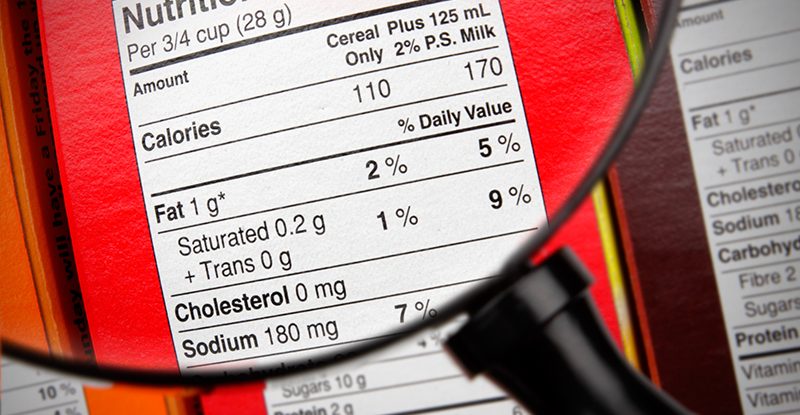
Flip every pack and check three things. First, the ingredient list order: ingredients appear by weight, so sugar in any form within the first three entries means the product is mostly sugar. Second, the total sugars line under carbohydrates, measured per 100 grams, which lets you compare brands fairly; above 15 grams per 100 grams is high, below 5 grams is low. Third, the serving size trick: panels often quote a tiny serving, like 30 grams of cereal, to make the numbers look modest, while the realistic bowl is twice that. Front-of-pack stars and health claims are marketing; the back panel is the truth. India’s labelling rules now require clearer disclosure, but enforcement is uneven, so the shopper’s own eye remains the best regulator.
The worst offenders in Indian pantries
Some surprises await the label-reader. Flavoured milk and malted health drinks marketed for children are frequently 40 to 50 per cent sugar. Breakfast cereals, including muesli and granola positioned as wholesome, often match desserts gram for gram. Ketchup, pasta sauces and salad dressings carry spoonfuls of added sugar to balance acidity. Packaged fruit juices and smoothies, even those labelled no added sugar, concentrate natural sugars without fibre. Protein bars and energy bars are frequently candy bars with better PR. Even whole wheat bread can list sugar or glucose syrup high in its ingredients. The pattern: the more a product advertises health, energy or kid-friendliness, the more carefully its label deserves reading.
Cutting back without misery
Cold-turkey sugar quitting fails for most people; gradual reduction works. Start by halving sugar in chai and coffee, letting taste buds recalibrate over two weeks. Replace one packaged snack a day with fruit, nuts or roasted chana. Switch sugary breakfast cereals to oats, poha or upma. Keep desserts for occasions rather than daily endings to meals. When cooking, reduce sugar in recipes by a third; most palates never notice. Read labels for a month until the habit becomes automatic, and be especially strict with children’s foods, since their preferences are still being written. None of this demands perfection, just a steady downward trend.
FAQs
Is jaggery healthier than sugar? Marginally. It retains trace minerals but affects blood sugar almost identically and has similar calories; it is not a free pass.
Are artificial sweeteners safe? Approved sweeteners are considered safe in moderation, but they keep the sweet tooth alive and are best treated as a bridge, not a destination.
Does fruit sugar count? Whole fruit is fine; its fibre slows absorption. Fruit juice, even fresh, delivers the sugar without the fibre and should be limited.
Hidden sugar thrives on inattention. A minute spent reading the back of the pack, a habit of halving the spoon in chai, a sceptical eye on health claims: these small disciplines quietly remove spoonfuls of sugar a day. Over a year, that is kilograms of sugar never eaten, and a meaningfully lower risk of the diseases it drives.
Compiled by the Khabar 24h Editorial Desk from publicly available sources.

Khabar 24h Editorial Desk — our explainers are prepared by the Khabar 24h editorial team using AI-assisted research tools, and every piece is reviewed by a human editor before publishing. We do not claim original reporting: our work is turning complex topics into simple, accurate summaries. Spotted an error? Write to contact@khabar24h.com — our corrections policy aims for same-day review.
More from this author →