Parliamentary Committees Explained: Where India’s Laws Are Really Scrutinised
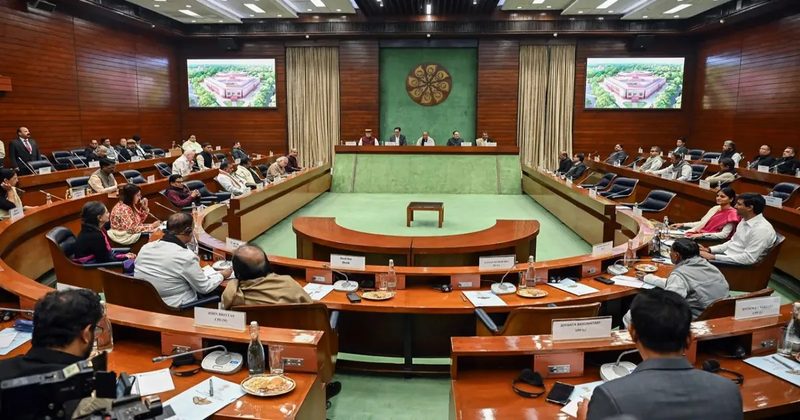
The most serious legislative work in India happens far from the television cameras, in small committee rooms where MPs examine bills clause by clause, question officials and hear expert evidence. Parliamentary committees are often described as mini-parliaments, and the description is apt: they are where laws are genuinely scrutinised, consensus is built across party lines, and the executive faces sustained questioning. Yet their role has been shrinking, a quiet institutional decline with loud consequences.
What committees do
Committees perform the detailed examination that the full House, with its packed agenda and political theatre, cannot. They scrutinise bills referred to them, examine budgetary demands ministry by ministry, investigate subjects of public importance, and review the government’s assurances and expenditure. Committee reports, tabled in Parliament, frequently reshape legislation: governments accept many recommendations, and even rejected ones create a public record that informs debate. The work is technical, unglamorous and essential.
Standing committees and select committees
The backbone of the system is the 24 Departmentally Related Standing Committees, each shadowing a group of ministries, with members drawn from both Houses in proportion to party strength. Their tenure and non-partisan functioning let them build expertise. Select committees are appointed ad hoc for specific bills, allowing deeper examination of complex legislation. Joint parliamentary committees, with members from both Houses, investigate major issues, from securities scams to defence deals, and their reports have felled reputations.
Financial committees: following the money
Three financial committees form Parliament’s audit arm. The Public Accounts Committee examines the government’s accounts as audited by the Comptroller and Auditor General, famously chaired by an opposition member by convention. The Estimates Committee suggests economies in expenditure, and the Committee on Public Undertakings oversees state-owned enterprises. Together they provide the continuous financial oversight that annual budget debates cannot, tracing public money long after it is spent.
Why committees work: the bipartisan secret
Committees succeed because they operate differently from the House: proceedings are confidential, parties are expected to leave partisanship at the door, and members question officials directly rather than scoring points. Ministers do not sit on committees shadowing their own ministries, preserving independence. This culture of quiet deliberation lets ruling and opposition MPs collaborate on technical improvements to laws, producing reports that often carry unanimous or near-unanimous weight.
The decline in scrutiny
The worrying trend is the falling share of bills referred to committees. Where earlier Parliaments sent the majority of significant bills for committee examination, recent years have seen most bills passed without committee scrutiny, sometimes within days of introduction. Fewer sittings, disrupted sessions and the government’s legislative rush have all contributed. The result is laws enacted without the detailed examination committees provide, a deficit that courts, commentators and former MPs have all flagged as damaging to legislative quality.
How committees gather evidence
Committees have wide powers to gather evidence: they can call for persons, papers and records, summon officials and experts, and undertake study tours. Ministries must respond to committee reports with action-taken notes, creating a paper trail of accountability. The quality of scrutiny depends heavily on the secretariat support committees receive and on members’ attendance, which varies widely. Well-staffed committees with engaged chairpersons produce landmark reports; neglected ones merely go through the motions.
Committees in the states
State legislatures have their own committee systems, though generally less developed than Parliament’s. Financial committees exist in most states, and subject committees examine bills and budgets, but smaller secretariats and thinner expertise limit their impact. Strengthening state-level scrutiny matters as much as the national debate, since states pass the laws that govern daily life. The decline in committee referrals at the Centre has unfortunately been mirrored in several states.
FAQs
Are committee recommendations binding? No, but governments accept a large proportion of them, and the reports shape parliamentary debate and public understanding.
Can committees summon ministers? Committees question secretaries and officials; ministers generally do not appear before committees overseeing their ministries, preserving the separation.
Are committee meetings open to the public? No. Proceedings are confidential to encourage frank discussion, though final reports are published.
Parliamentary committees are the legislature’s workshop: unglamorous, bipartisan and indispensable. Their decline is a quiet crisis of lawmaking quality that deserves far more attention than it gets.
Reviving committee scrutiny may be the single most effective reform available to Indian lawmaking.
Compiled by the Khabar 24h Editorial Desk from publicly available sources.

Khabar 24h Editorial Desk — our explainers are prepared by the Khabar 24h editorial team using AI-assisted research tools, and every piece is reviewed by a human editor before publishing. We do not claim original reporting: our work is turning complex topics into simple, accurate summaries. Spotted an error? Write to contact@khabar24h.com — our corrections policy aims for same-day review.
More from this author →