Calcium-Rich Foods for Indians Who Don’t Drink Milk
Milk has long been sold as the non-negotiable source of calcium, which leaves millions of Indians in a bind: those who are lactose intolerant, those who dislike milk, vegans, and families that simply cannot afford daily dairy. The anxiety is understandable, since calcium builds bones and teeth, helps muscles contract, enables blood clotting and keeps nerves signalling properly. Adults need about 1,000 mg a day, rising to 1,200 mg after 50. But milk is far from the only route. Traditional Indian diets, built around millets, sesame, leafy greens and pulses, were delivering calcium long before packaged milk arrived, and modern options like fortified foods and tofu have widened the menu further.
How much calcium you need and why it matters
The body holds over a kilogram of calcium, 99 per cent of it locked in bones and teeth. Bone is living tissue, constantly broken down and rebuilt, and when dietary calcium runs short, the body raids the skeleton to keep blood levels steady. Over years, this silent withdrawal thins bones into osteopenia and then osteoporosis, which announces itself only when a minor fall breaks a hip or wrist. Peak bone mass is built before age 30, so childhood and adolescence are the critical window, but adequate calcium plus vitamin D and weight-bearing exercise slows loss at every age. Women after menopause lose bone fastest as oestrogen falls, making their calcium needs particularly urgent. The point is not just avoiding deficiency today but banking bone for the decades ahead.
The best non-dairy calcium sources
Many everyday Indian foods rival or beat milk, which provides about 120 mg per 100 ml.
- Ragi (finger millet): the standout, with roughly 340 mg per 100 grams; ragi porridge, mudde or dosa are calcium powerhouses.
- Sesame seeds (til): nearly 975 mg per 100 grams; a tablespoon of til chutney or til laddoo delivers a serious dose.
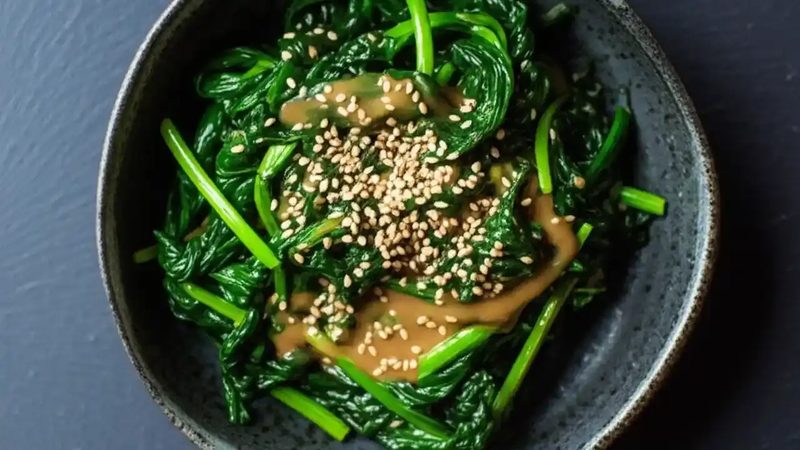
- Amaranth leaves (chaulai): around 500 mg per 100 grams raw; cook as saag.
- Finger millet and amaranth grain: both outscore rice and wheat on calcium by a wide margin.
- Drumstick leaves (moringa): exceptionally rich in calcium plus iron; add to dals and soups.
- Soybeans and tofu: tofu set with calcium salts can provide 300 to 400 mg per 100 grams.
- Rajma and chana: modest but meaningful, around 100 to 130 mg per 100 grams dry weight.
- Almonds: about 260 mg per 100 grams; a daily handful helps.
- Figs (anjeer) and dates: useful contributors in dried form.
- Fortified foods: calcium-fortified soy or oat milk, orange juice and cereals can match dairy cup for cup.
- Small fish with bones: for non-vegetarians, sardines and anchovies eaten whole are among nature’s richest sources.
Absorption matters as much as content
Eating calcium-rich foods is only half the battle; the body must absorb the mineral. Vitamin D is the gatekeeper, without it only a fraction of dietary calcium enters the blood, which is why sunshine and vitamin D status matter as much as diet. Oxalates in spinach and phytates in unsoaked grains bind calcium and reduce absorption, so variety beats reliance on a single green. Spreading calcium across meals improves uptake, since the gut absorbs a smaller percentage of very large single doses. Very high salt intake increases calcium loss in urine, another reason to moderate sodium. Caffeine in excess and smoking both impair bone health, while weight-bearing exercise, walking, dancing, climbing stairs, actively signals bones to hold on to calcium.
What about calcium supplements?
Supplements have their place, particularly for postmenopausal women, the elderly and people with diagnosed osteoporosis, but they are not candy. Calcium carbonate is cheap and best taken with food; calcium citrate costs more but suits those with low stomach acid or on antacids. Total intake from food plus supplements should generally not exceed 2,000 to 2,500 mg daily, since excessive calcium is linked to kidney stones and, in some studies, cardiovascular concerns. Large single tablets are poorly absorbed, so split doses above 500 mg. Anyone considering long-term supplementation should discuss it with a doctor, ideally alongside a vitamin D check and, for older adults, a bone density scan.
FAQs
Is lactose intolerance the same as milk allergy? No. Lactose intolerance is the inability to digest milk sugar, causing bloating and discomfort; it is very common in Indian adults. Milk allergy is an immune reaction, rarer and potentially serious. Curd and hard cheese are often tolerated in intolerance because fermentation reduces lactose.
Can children grow well without milk? Yes, if the diet is planned: ragi porridge, sesame, leafy greens, soy milk fortified with calcium, and adequate vitamin D and protein support normal growth. A paediatrician or dietitian can review the plan.
Does tea with meals affect calcium? Tea mainly blocks iron, not calcium, but very high tea consumption with meals is still unwise. Keep an hour’s gap for iron-rich meals especially.
Skipping milk does not mean skipping calcium. India’s own food traditions, millets on the plate, sesame in winter sweets, greens in daily saag, were built for strong bones. Add sunshine for vitamin D, keep salt moderate, stay active, and the skeleton gets everything it needs without a single glass of milk.
Source: NDTV Food

Khabar 24h Editorial Desk — our explainers are prepared by the Khabar 24h editorial team using AI-assisted research tools, and every piece is reviewed by a human editor before publishing. We do not claim original reporting: our work is turning complex topics into simple, accurate summaries. Spotted an error? Write to contact@khabar24h.com — our corrections policy aims for same-day review.
More from this author →