How Child Actors Are Cast and Protected on Indian Film Sets
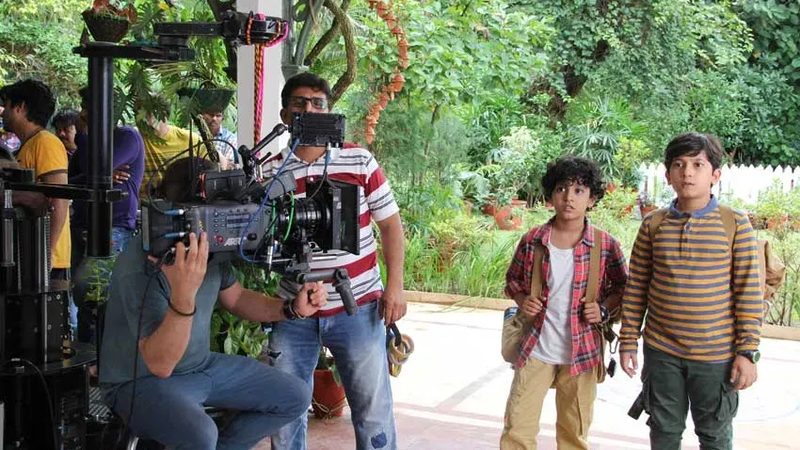
Some of Indian cinema’s most memorable performances have come from actors not yet old enough to vote: the wide-eyed wonder, the unfiltered emotion, the naturalism no training can fully teach. But behind every beloved child performance lies a system of casting, care and legal protection that the industry has spent years building. How child actors are cast and protected on Indian film sets is a story of auditions and tutors, of limited working hours and watchful parents, and of an industry learning to balance its love of young talent with its duty toward young lives.
How child actors get cast
Casting children starts where most casting starts: with casting directors who maintain databases of young talent, built through auditions, referrals, theatre groups and increasingly social media. For a specific role, the brief goes beyond looks to temperament: can the child take direction, handle long days, and deliver emotion on cue? Auditions are kept deliberately low-pressure, often structured as play rather than performance, because a frightened child gives no honest reading.
Directors look for different qualities than they do in adults. Technical polish matters less than presence: the ability to be natural in front of a camera, to listen and react, to repeat a moment without it going stale. Many celebrated child actors were not trained performers at all but were spotted for a quality the camera loved. Once cast, rehearsals are kept short and playful; over-rehearsing a child drains the spontaneity that makes them special.
The rules that protect them
India’s child labour laws, strengthened by amendments and guidelines over the years, set clear boundaries for children working in entertainment. Working hours are limited, with mandatory rest periods, and children below a certain age cannot work late nights. Productions must ensure that work does not interfere with schooling, which is why tutors are a standard presence on sets with significant child roles, keeping lessons going between setups.
- Limited hours: strict caps on daily working time with guaranteed breaks and rest.
- Education: on-set tutoring so schooling continues during shooting schedules.
- Parental presence: a parent or guardian must accompany the child on set at all times.
- Safe content: restrictions on exposing children to inappropriate scenes, stunts or environments.
Responsible productions go beyond the letter of the law: dedicated welfare coordinators, child-friendly waiting areas, and clear protocols for emotional scenes. Intimate or distressing material involving children is handled with particular care, using camera tricks, stand-ins and careful editing to protect the young performer from the content itself.
Money, contracts and the child’s future
Child actors are paid professionals, and their contracts cover fees, working conditions and usage rights like any performer’s. Industry best practice, increasingly formalised, pushes for a portion of earnings to be safeguarded for the child’s future rather than absorbed into household spending. Parents or guardians sign on the child’s behalf, and reputable productions insist on transparent accounting.
The thornier question is what happens after the role ends. Childhood fame is notoriously difficult to navigate: the transition to adult roles, the pressure of public attention, the risk of education and normal development being sidelined. The industry’s more thoughtful voices now advocate for mentorship that extends beyond the shoot, helping young performers and their families plan for life after the cameras stop.
How sets adapt for young performers
A set with children works differently. Shooting schedules are built around the child’s hours, with their scenes often filmed first. Directors learn to work fast and keep the atmosphere light; nothing kills a child’s performance like a tense, hurried set. Stunt and action sequences involving children use doubles, careful choreography and camera angles, never placing the child in real danger.
Emotional scenes require the most sensitivity. Rather than distressing a child to get tears, skilled directors use technique: eyedrops, careful editing, reaction shots assembled from neutral moments, and performances built from imagination games rather than real upset. The audience sees heartbreak; the child experienced play.
FAQs
Can children legally work in Indian films? Yes, entertainment is a permitted exception under child labour regulations, but with strict conditions on hours, education, safety and parental supervision.
Who looks after a child actor on set? A parent or guardian must be present at all times, alongside tutors for schooling and, on professional productions, welfare coordinators overseeing the child’s wellbeing.
Do child actors go to school during shoots? They must. Productions are required to ensure education continues, typically through on-set tutors who keep up with the child’s syllabus.
The magic of a great child performance is real, but it should never come at the cost of a childhood: the industry’s best work with young actors proves that protection and artistry are not opposites but partners.
Compiled by the Khabar 24h Editorial Desk from publicly available sources.

Khabar 24h Editorial Desk — our explainers are prepared by the Khabar 24h editorial team using AI-assisted research tools, and every piece is reviewed by a human editor before publishing. We do not claim original reporting: our work is turning complex topics into simple, accurate summaries. Spotted an error? Write to contact@khabar24h.com — our corrections policy aims for same-day review.
More from this author →