How Prosthetic Makeup Transforms Actors in Indian Films
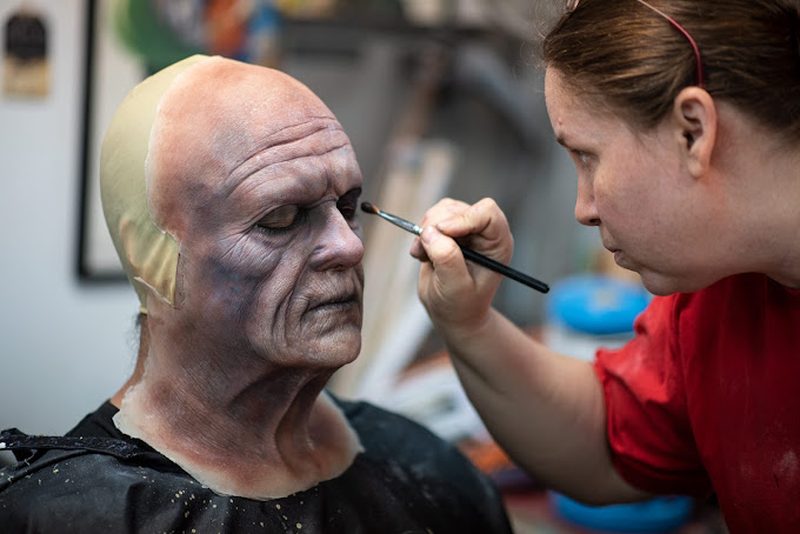
Some of Indian cinema’s most startling transformations happen not through costumes or effects but in the makeup chair, in sessions that begin before dawn and last for hours. Prosthetic makeup, the craft of sculpting and applying artificial features to an actor’s face and body, can age a star by decades, turn them into a mythological demon, or recreate a historical figure with uncanny precision. It is a discipline where art meets chemistry, and where the actor’s performance must survive beneath layers of silicone.
How a prosthetic transformation is planned
Every major transformation starts with the character, not the makeup. Designers study the script, the director’s vision and historical or imaginative references, then create concept sketches and sculptural maquettes of the new face. Life casts are taken of the actor: their head and sometimes torso are moulded in plaster to create an exact replica, on which the prosthetic pieces are sculpted in clay. This sculpt is the heart of the work, where every wrinkle, scar and contour is shaped by hand.
Moulds are made from the sculpt, and the final appliances are cast in materials chosen for the job: silicone for its lifelike translucency and flexibility, foam latex for lighter pieces, gelatin for short-term applications. Each piece is pre-painted with layers of translucent colour that mimic real skin, veining, age spots and blemishes. A full-face transformation can involve a dozen separate appliances, each mapped to move with the actor’s expressions.
The hours in the chair
Application day starts brutally early. The actor sits for three to six hours, sometimes longer, while artists glue each appliance to the skin with medical-grade adhesives, blend the edges invisibly, paint the joins to match, and add final details: individual hairs punched into a silicone beard, contact lenses, dental prosthetics. The actor cannot eat normally, cannot scratch, and must hold still through the most delicate stages.
Then comes the performance, which is the true test. The best prosthetics are designed around the actor’s face in motion: appliances are sculpted thin at the mouth and eyes so expressions read through them. Great prosthetic acting is a paradox, a performance powerful enough to reach the audience through a mask. When it works, viewers forget the artifice entirely and see only the character.
Where Indian films use prosthetics most
- Ageing: transforming young stars into elderly characters across a film’s timeline, the most common application.
- Mythology and fantasy: demons, gods and creatures whose faces exist only in imagination.
- Historical figures: recreating real people, where likeness carries enormous dramatic weight.
- Injury and horror: wounds, scars and transformations for action, thriller and horror genres.
Indian productions have embraced prosthetics most ambitiously in mythological epics and historical dramas, where the genre demands faces that costumes alone cannot provide. International prosthetic designers increasingly collaborate with Indian teams, transferring techniques while local artists adapt them to Indian skin tones, climates and shooting conditions.
The craft’s challenges
Heat is the great enemy. Under studio lights in an Indian summer, adhesives soften and actors sweat beneath silicone, requiring constant touch-ups and cooling breaks. Long schedules test everyone’s endurance: a six-hour application followed by a twelve-hour shoot is routine on major transformations. Removal at day’s end takes another hour or more of careful solvent work to protect the actor’s skin.
Cost is the other constraint. Premium prosthetic work is expensive, which is why it is reserved for key characters and moments. But as Indian productions grow more ambitious and audiences more discerning, the investment is increasingly seen as essential: nothing breaks the spell of a historical epic faster than unconvincing ageing.
FAQs
How long does prosthetic makeup take to apply? From two hours for partial appliances to six or more for full-face and body transformations, plus touch-ups throughout the shooting day.
Is prosthetic makeup safe for actors? When done professionally with tested materials, yes, though long sessions are physically demanding and skin care between shoot days is essential.
What is the difference between prosthetics and regular makeup? Regular makeup works with the actor’s existing features through cosmetics; prosthetics physically reshape the face and body with sculpted appliances.
Prosthetic makeup is cinema’s most intimate illusion: hours of sculpture, chemistry and patience, all in service of a single goal, that the audience sees a character, never the craft.
Compiled by the Khabar 24h Editorial Desk from publicly available sources.

Khabar 24h Editorial Desk — our explainers are prepared by the Khabar 24h editorial team using AI-assisted research tools, and every piece is reviewed by a human editor before publishing. We do not claim original reporting: our work is turning complex topics into simple, accurate summaries. Spotted an error? Write to contact@khabar24h.com — our corrections policy aims for same-day review.
More from this author →