How Classical Musicians Build Careers in the Streaming Era
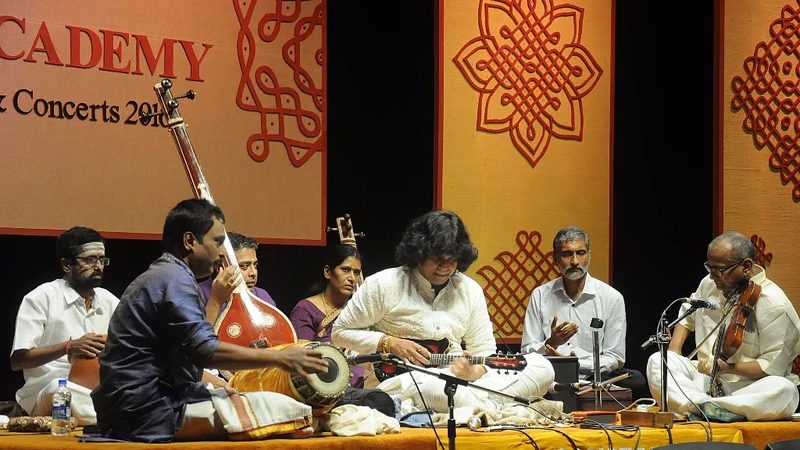
The obituaries were written long ago: in the age of three-minute pop songs and algorithmic playlists, Indian classical music — with its hour-long ragas, demanding audiences and guru-shishya traditions — was supposed to wither. It did not. Instead, classical musicians have built some of the most resilient careers in Indian music, adapting ancient art to modern platforms without surrendering its soul. Their playbook offers lessons for every traditional art facing the digital age.
The concert economy, reinvented
The live concert remains classical music’s economic and spiritual core. The December music season in Chennai — weeks of concerts across hundreds of venues — is the industry’s annual harvest, where reputations are made and careers launched. Year-round, sabhas, festivals and corporate-sponsored concerts provide the performance circuit. Ticketed concerts, once rare in a culture of free sabha performances, have grown — audiences increasingly pay for premium classical experiences, and artists’ fees reflect it.
What changed is the circuit’s geography. The diaspora — in the US, UK, Singapore and the Gulf — now sustains a parallel concert economy, with classical tours abroad often more lucrative than domestic ones. A musician’s calendar might span Chennai in December, California in spring and London in autumn, stitched together by a global audience of connoisseurs.
Streaming: the unexpected ally
Streaming platforms, designed for pop’s short attention spans, turned out to suit classical music’s needs surprisingly well. Playlists — “morning ragas,” “monsoon classical,” meditation compilations — introduced the music to listeners who would never attend a concert. A curious millennial can now sample a raga on a commute, then fall down a rabbit hole of maestros. Classical streams will never match pop volumes, but the discovery funnel works: streaming finds the audience, concerts monetise it.
Musicians have adapted shrewdly. Shorter, playlist-friendly recordings coexist with full-length concert uploads on YouTube; explanatory content — artists discussing ragas, demonstrating techniques — builds the educated audience classical music needs. Social media, once seen as beneath the art’s dignity, is now a standard career tool, with senior artists and young prodigies alike cultivating followings.
The modern classical career:
- Concert circuit: sabhas, festivals and the Chennai season as the core.
- Diaspora tours: lucrative international performances for global audiences.
- Streaming presence: playlists and YouTube as discovery engines.
- Teaching: online and offline students providing stable income.
- Collaborations: fusion projects and film work expanding reach.
Teaching as the foundation
For most classical musicians, teaching — not performing — pays the bills. The guru-shishya tradition, modernised through online classes, provides stable income independent of concert fortunes. A respected musician might teach dozens of students worldwide via video call, earning more reliably than from performances. Teaching also builds the next generation of audiences: students become lifelong listeners, concertgoers and patrons.
Institutions matter too. Music schools, universities and cultural organisations employ classical musicians, fund research and organise the festivals that sustain the ecosystem. Government honours and fellowships, while modest financially, confer the prestige that drives concert bookings.
Collaborations and the mainstream bridge
Selective forays into popular culture — film songs, fusion albums, Coke Studio-style collaborations — have introduced classical artists to mass audiences without requiring them to abandon their art. The most successful crossovers work because the classical musician brings something pop cannot manufacture: depth, training and improvisational genius. These projects function as marketing for the classical career, converting casual listeners into concert attendees.
The key discipline is selectivity. Artists who chase every commercial opportunity dilute the mystique that makes classical careers valuable; those who refuse all engagement starve the art of new audiences. The current generation has largely found the balance.
FAQs
Is Indian classical music dying? No — concert attendance, streaming discovery and diaspora support are all healthy. The audience is changing, but the art is adapting successfully.
How do classical musicians earn a living? Through a portfolio: concerts, teaching (often the steadiest income), diaspora tours, streaming, and selective commercial collaborations.
Has streaming helped or hurt? Helped, on balance — playlists and YouTube act as discovery engines, introducing new listeners who then attend concerts and become patrons.
Indian classical music’s streaming-era survival was not an accident but an adaptation: ancient art, modern tools, unchanged standards. The ragas are the same ones the gurus taught; the audience finds them through a phone. The tradition endures because its custodians refused both nostalgia and surrender — and built careers worthy of the music.
Compiled by the Khabar 24h Editorial Desk from publicly available sources.

Khabar 24h Editorial Desk — our explainers are prepared by the Khabar 24h editorial team using AI-assisted research tools, and every piece is reviewed by a human editor before publishing. We do not claim original reporting: our work is turning complex topics into simple, accurate summaries. Spotted an error? Write to contact@khabar24h.com — our corrections policy aims for same-day review.
More from this author →