Punjabi Music and Film: How the Industry Built a Global Audience
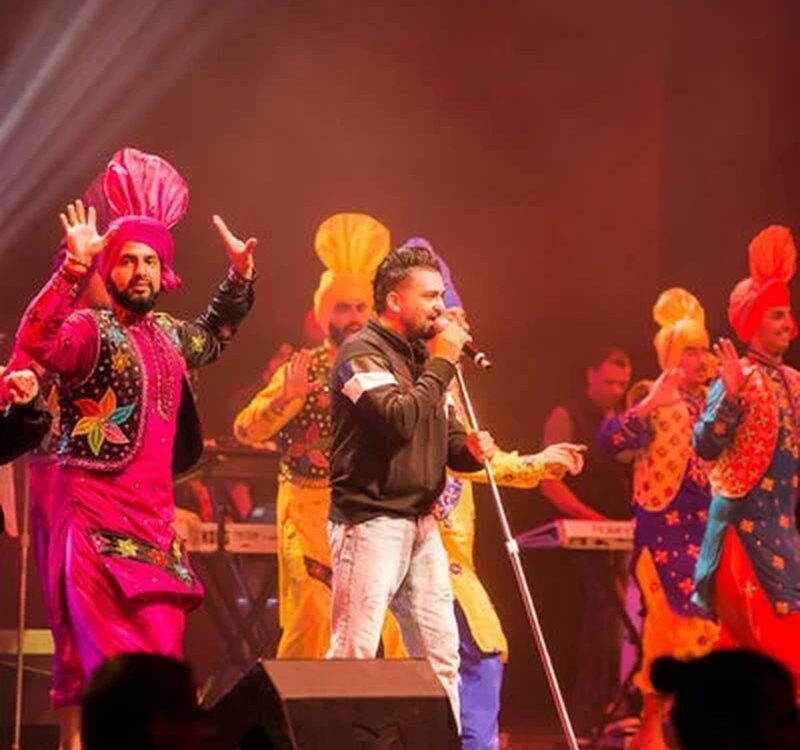
Few Indian regional industries have travelled as far as Punjab’s. Punjabi music fills clubs in Toronto and London, Punjabi films release simultaneously across three continents, and the industry’s stars command followings that span the global diaspora. The Punjabi entertainment industry built a worldwide audience from a home market of modest size — and the story of how it did so is a masterclass in diaspora economics.
The diaspora engine
The foundation is demographic: one of the world’s most successful and culturally assertive diasporas. Punjabi communities in Canada, the UK, the US and Australia — numbering in the millions — maintain deep cultural ties to Punjab, and music is the primary medium of that connection. The diaspora does not just consume Punjabi entertainment; it produces it, funds it and sets its trends. Some of the industry’s biggest music hits were made by UK- or Canada-based artists for a global Punjabi audience.
This creates a unique market structure: Punjabi music and film earn across India, the diaspora West and Punjab itself, with each market reinforcing the others. A track that explodes in Punjab gets picked up in Toronto; a Canada-made hit flows back to Indian weddings and clubs. The feedback loop is continuous and self-amplifying.
Music first: the industry’s core
Punjabi entertainment is music-led in a way no other Indian regional industry is. The music industry — singles, albums, music videos — is larger and more dynamic than the film industry, functioning as the culture’s engine room. Digital platforms and YouTube democratised distribution: an independent artist can release a track from a home studio and reach millions without label backing, and the industry’s A&R runs substantially on viral metrics.
The sound evolved relentlessly. From folk-rooted traditions through the UK bhangra explosion of past decades to contemporary fusions with hip-hop, trap and global pop, Punjabi music absorbed every influence without losing its identity — the dhol’s pulse, the lyrical wit, the celebratory energy. This adaptability is why it travels: Punjabi tracks work in clubs from Delhi to Dubai because they were engineered for celebration.
The globalisation toolkit:
- Diaspora production: artists in Canada, the UK and the US making hits for worldwide Punjabi audiences.
- YouTube distribution: bypassing traditional labels to reach global audiences directly.
- Genre fusion: blending Punjabi folk with hip-hop, pop and electronic music.
- Wedding economy: Punjabi music dominating India’s lucrative wedding entertainment market.
- Film synergy: hit soundtracks driving film openings and vice versa.
The film industry’s ride
Punjabi cinema, historically modest, rode music’s coattails to new scale. Star singers became film heroes, hit soundtracks guaranteed openings, and diaspora audiences bought overseas tickets in numbers that transformed budgets. The industry’s commercial peak produced genuine blockbusters by regional standards, with comedies and family dramas travelling well across the diaspora.
The film industry remains smaller and more volatile than the music business — dependent on a handful of stars, vulnerable to formula fatigue — but its ceiling keeps rising as the global Punjabi audience grows and streaming platforms invest in Punjabi originals.
The business behind the beats
Punjabi music’s economics are thoroughly modern. Revenue flows from streaming royalties, YouTube monetisation, live performances (the diaspora concert circuit is enormously lucrative), brand endorsements and sync deals. Independent artists retain more of this than in the label-dominated Hindi industry, and the most successful have built genuine business empires spanning labels, production and live events.
Challenges persist: the industry’s very openness makes it vulnerable to controversies, the pressure to chase viral formulas can homogenise the sound, and the film industry’s dependence on music stars creates fragility. But the underlying asset — a global, growing, culturally confident audience — is the envy of every regional industry in India.
FAQs
Why is Punjabi music bigger than Punjabi film? Music travels frictionlessly across the diaspora via streaming and YouTube, while films face theatrical distribution limits. Music is also cheaper to produce and faster to release.
How important is the diaspora? Foundational — diaspora audiences in Canada, the UK, the US and Australia fund, produce and amplify Punjabi entertainment, often setting trends that flow back to India.
What drives Punjabi music’s global appeal? High-energy, celebration-ready sound fused with global genres, plus a culturally confident diaspora that promotes it worldwide.
Punjabi entertainment’s global conquest was not planned in a boardroom — it was built track by track, wedding by wedding, by an industry that understood its audience was worldwide before the industry itself was. From Punjab’s fields to the world’s clubs, the beats did the travelling.
Source: Billboard

Khabar 24h Editorial Desk — our explainers are prepared by the Khabar 24h editorial team using AI-assisted research tools, and every piece is reviewed by a human editor before publishing. We do not claim original reporting: our work is turning complex topics into simple, accurate summaries. Spotted an error? Write to contact@khabar24h.com — our corrections policy aims for same-day review.
More from this author →