Panchakarma Explained: What the Therapies Do and Who Should Avoid Them
Panchakarma, Ayurveda’s signature detoxification programme, draws thousands to Kerala’s ayurvedic resorts and urban wellness centres every year: weeks of oil massages, herbal steam, medicated enemas and dietary regimens promising to flush toxins and reset the body. Devotees describe profound rejuvenation; sceptics see expensive spa treatments in traditional dress. The truth, as usual, is more specific. Panchakarma is a defined set of five therapeutic procedures with classical indications, some plausible mechanisms, limited clinical evidence, and real contraindications that glossy brochures underplay.
The five karmas, explained
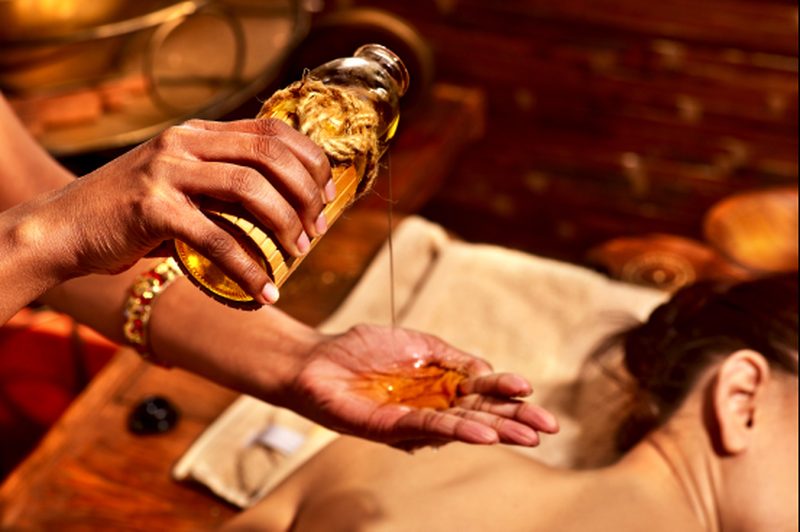
Panchakarma literally means five actions. Vamana, therapeutic emesis, induces controlled vomiting to clear the upper gastrointestinal tract, classically for kapha disorders like chronic congestion. Virechana, therapeutic purgation, uses herbal laxatives for a controlled cleanse, classically for pitta conditions. Basti, medicated enemas with oils or herbal decoctions, is considered the foremost treatment for vata disorders, including musculoskeletal and neurological complaints. Nasya administers herbal oils or powders through the nasal passages for head, neck and sinus conditions. Raktamokshana, bloodletting, is the fifth, rarely practised today in mainstream settings. Each is preceded by purvakarma, preparatory oleation and sweating through abhyanga oil massage and swedana steam therapy, which are what most wellness tourists actually experience.
What the procedures plausibly do
Stripped of dosha language, several mechanisms are plausible. The preparatory oil massages and steam improve circulation, relax muscles and reduce stress, effects consistent with any good massage therapy. Basti delivers substances rectally with high absorption, and some trials explore its effects on gut function. The intensive rest, regular routine, vegetarian diet and digital disconnection of a residential programme produce genuine stress reduction and lifestyle reset independent of any detoxification. What is not plausible is the central detox claim as marketed: the liver and kidneys continuously detoxify the body, and no trial shows Panchakarma removing heavy metals or environmental toxins beyond normal excretion.
What the clinical evidence shows
Research is sparse relative to Panchakarma’s prominence. Small trials and observational studies report benefits for osteoarthritis symptoms, chronic low back pain, stress and well-being measures, but studies are typically small, unblinded and short-term, the exact profile where placebo and resort effects thrive. There are no large randomised trials establishing efficacy for the grander claims: reversing diabetes, curing autoimmune disease, or systemic detoxification. This does not mean individual patients do not feel better; it means the evidence cannot distinguish the specific therapies’ effects from rest, massage, diet, expectation and the passage of time.
Who should avoid Panchakarma
- Pregnant and breastfeeding women: emesis, purgation and many herbal formulations are contraindicated.
- People with heart disease, severe hypertension or frailty: intense purificatory procedures stress the cardiovascular system.
- Diabetics on medication: altered diet and routines risk hypoglycaemia; procedures need medical supervision.
- Those with acute illness, infections or recent surgery: cleansing therapies during acute states are classically and sensibly contraindicated.
- Anyone on essential medicines: never stop prescribed drugs for a cleanse; interactions with herbal preparations are possible.
- Children and the very elderly: intense procedures are inappropriate; gentler oleation may suit.
Choosing a centre wisely
The industry ranges from NABH-accredited Ayurvedic hospitals to unregulated spas using the Panchakarma name for oil massages. Red flags: no qualified BAMS doctor on site, one-size-fits-all packages without diagnosis, pressure to stop modern medicines, and miraculous cure claims. Green flags: proper consultation and dosha assessment, individualised treatment plans, transparent pricing, hygienic facilities, and coordination with your regular doctors for chronic conditions. A genuine classical programme is medically supervised and physically demanding, not merely relaxing.
FAQs
Does Panchakarma remove toxins? Not in the marketed sense. The body detoxifies itself continuously; Panchakarma’s benefits, where real, come from rest, massage, routine and stress reduction.
How long does a programme take? Classical courses run 7 to 28 days; single-day spa versions are massages, not Panchakarma.
Can it cure chronic diseases? No credible evidence supports cure claims for diabetes, arthritis or autoimmune disease; symptom improvement in some patients is plausible and worth studying properly.
Panchakarma sits at the intersection of genuine traditional practice and modern wellness marketing, and consumers should separate the two. As a supervised, individualised programme of rest, bodywork and routine, it offers real, if modest, benefits for stress and musculoskeletal complaints. As a detox miracle, it promises what physiology does not support. Choose it for what it is, from a qualified centre, with your doctor informed, and skip the toxins narrative.
Compiled by the Khabar 24h Editorial Desk from publicly available sources.

Khabar 24h Editorial Desk — our explainers are prepared by the Khabar 24h editorial team using AI-assisted research tools, and every piece is reviewed by a human editor before publishing. We do not claim original reporting: our work is turning complex topics into simple, accurate summaries. Spotted an error? Write to contact@khabar24h.com — our corrections policy aims for same-day review.
More from this author →