Why Streaming Platforms Bet Big on Tamil, Telugu and Malayalam Content
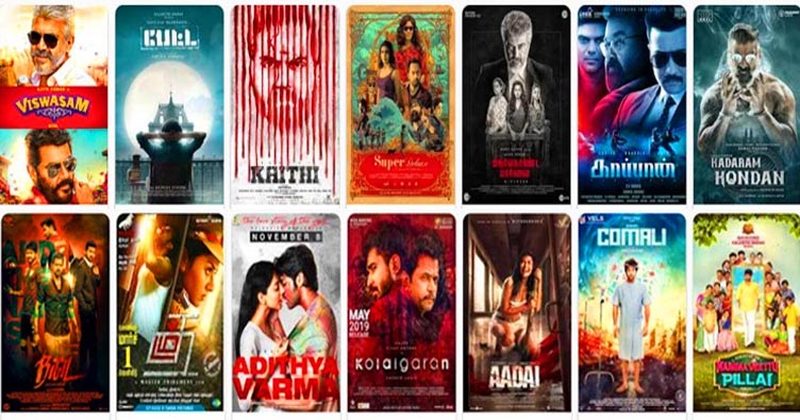
Open any major Indian streaming platform and count the originals: a striking share of the most talked-about titles come from the South — Tamil thrillers, Telugu spectacles, Malayalam dramas. This is not an accident or a diversity initiative. It is a calculated bet, and the reasons behind it reveal how India’s streaming economics really work. Platforms are investing heavily in Tamil, Telugu and Malayalam content because, by nearly every metric that matters, it outperforms.
The audience math
The four South Indian states together represent roughly a fifth of India’s population — but their contribution to streaming engagement is disproportionately large. South Indian audiences are among the country’s most enthusiastic streamers: high smartphone penetration, strong digital payment adoption, and a deep cinema culture that translates naturally into streaming consumption. Telugu and Tamil viewers in particular over-index on paid subscriptions relative to their population share.
Crucially, South Indian content travels. A Malayalam thriller does not only play in Kerala — dubbed and subtitled, it finds audiences in Mumbai, Delhi and Bengaluru, and among the diaspora worldwide. The “pan-India” phenomenon, in which South Indian films and series break out nationally, proved that language is no longer the barrier it once was. For platforms, this means content made for one market can monetise across many.
The quality premium
South Indian industries — especially Malayalam cinema — have earned reputations for strong writing, realistic performances and directorial ambition, often on modest budgets. For streaming platforms, this is an efficiency story: critically acclaimed, audience-loved content at production costs well below equivalent Hindi productions. A Malayalam drama made for a few crores can generate engagement rivaling a Hindi original costing multiples more.
Telugu cinema brings scale: massive production infrastructure, star-driven spectacles and a proven ability to create event entertainment. Tamil cinema brings both — a robust star system plus a thriving independent and mid-budget scene producing some of India’s most innovative storytelling. Together, the three industries offer platforms a full portfolio: prestige dramas, commercial spectacles and everything between.
What each industry offers streamers:
- Malayalam: acclaimed writing and realism at highly efficient budgets.
- Tamil: star power plus a strong independent and thriller tradition.
- Telugu: large-scale spectacle with proven pan-India breakout potential.
- All three: deeply engaged audiences and content that travels across languages.
The dubbing multiplier
Streaming made multilingual distribution frictionless. A series shot in Malayalam launches simultaneously in Hindi, Tamil, Telugu and Kannada dubs plus English subtitles, reaching five audiences for little more than the cost of one production. Dubbing quality has improved dramatically, and audiences — trained by years of dubbed content — accept it readily. This multiplier effect means a South Indian original’s addressable audience is effectively pan-Indian, transforming the return-on-investment calculation.
The diaspora adds another layer. Tamil, Telugu and Malayalam speakers abroad are affluent, digitally connected and hungry for content from home — a premium subscriber segment that platforms can serve at near-zero marginal cost once the content exists.
The competitive dynamic
The bet is also defensive. With multiple platforms competing for the same viewers, exclusive South Indian originals lock in audiences that competitors cannot easily poach. Regional stars with massive fan followings — actors whose theatrical openings rival Bollywood’s biggest — bring their audiences to whichever platform hosts their streaming projects. Signing them is both content acquisition and subscriber acquisition.
This has triggered an arms race: platforms compete to sign the most sought-after Southern directors, actors and production houses, driving up talent prices. The beneficiaries are the industries themselves, which now command budgets and attention that would have been unimaginable a decade ago.
FAQs
Do South Indian shows really outperform Hindi ones? Many do on engagement-per-rupee-spent, thanks to lower production costs and highly engaged audiences. Hindi originals still dominate absolute viewership, but Southern content punches above its weight.
Why is Malayalam content so acclaimed? A long tradition of realistic, writer-driven cinema, strong film-society culture, and an industry structure that lets directors pursue distinctive visions on modest budgets.
Will the South Indian boom last? The structural drivers — engaged audiences, efficient production, dubbing-led reach — are durable. What may cool is the bidding-war pricing as platforms become more disciplined about content spending.
The streaming bet on the South is ultimately a bet on where India’s most engaged viewers are and what they love to watch. Platforms followed the audience, the audience rewarded them, and Indian streaming is more multilingual — and more interesting — because of it.
Compiled by the Khabar 24h Editorial Desk from publicly available sources.

Khabar 24h Editorial Desk — our explainers are prepared by the Khabar 24h editorial team using AI-assisted research tools, and every piece is reviewed by a human editor before publishing. We do not claim original reporting: our work is turning complex topics into simple, accurate summaries. Spotted an error? Write to contact@khabar24h.com — our corrections policy aims for same-day review.
More from this author →