Flu Vaccine in India: Who Needs the Annual Shot and When
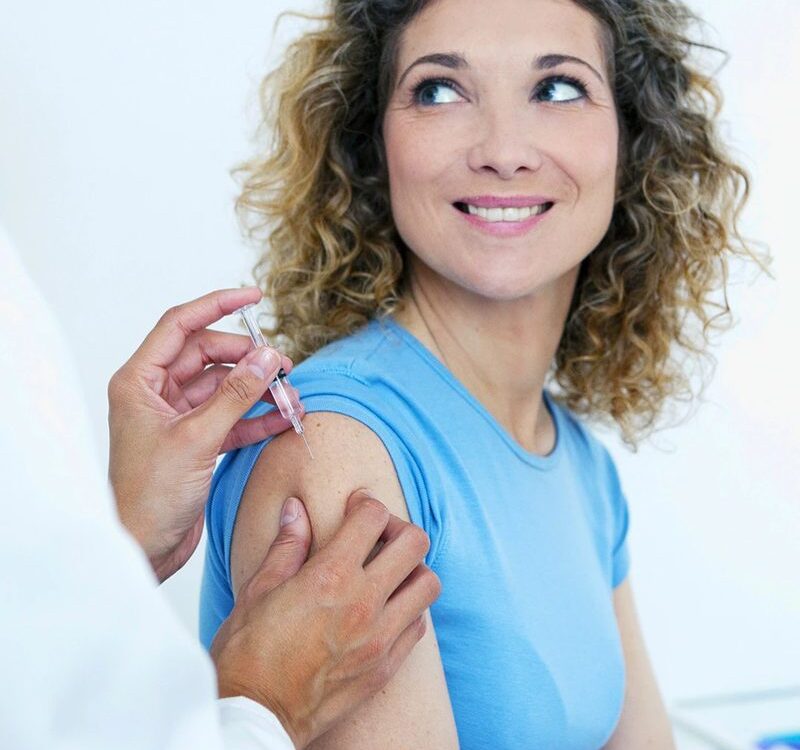
Every year, influenza sweeps through India in two waves, the monsoon surge and the winter peak, filling clinics with fever, body ache and cough, hospitalising the vulnerable and killing thousands, many of them elderly or chronically ill. And every year, flu vaccination in India remains negligible outside a few informed circles, a fraction of the coverage seen in Western countries. The flu shot is not perfect, but it is among the most cost-effective interventions in medicine, and the reasons Indians skip it, that flu is trivial, that the vaccine does not work, that it causes flu, are misunderstandings worth dismantling.
How serious is flu, really?
For healthy young adults, flu is usually a miserable week. For the very young, the elderly, pregnant women and people with heart disease, lung disease, diabetes, kidney disease or weakened immunity, it can be life-threatening: pneumonia, hospitalisation and death. Global estimates attribute hundreds of thousands of respiratory deaths yearly to influenza, and Indian surveillance, though incomplete, confirms substantial seasonal mortality. The 2009 H1N1 pandemic, which hit India hard, was a reminder that influenza viruses periodically reshuffle into more dangerous forms. Annual vaccination is not about avoiding a cold; it is about preventing the severe outcomes concentrated in identifiable high-risk groups.
Who needs the shot
- Everyone over 65: the highest priority everywhere; flu is a leading infectious killer of the elderly.
- People with chronic illness: heart, lung, kidney or liver disease, diabetes, asthma, at any adult age.
- Pregnant women: vaccination protects both mother and newborn, and is recommended in any trimester.
- Young children: from 6 months of age, particularly those with recurrent respiratory illness.
- Healthcare workers: to protect themselves and their vulnerable patients.
- Caregivers of high-risk individuals and anyone who simply wants to avoid a week of misery and lost work.
When to take it in India
India’s flu seasonality complicates the Western advice of autumn vaccination. With monsoon and winter peaks, the practical window is before the monsoon, ideally April to June, so protection covers the first wave; a single annual dose then carries through much of the year, though immunity wanes over months. Travellers to the northern hemisphere winter should time vaccination before travel. The vaccine formulation is updated yearly to match circulating strains, which is why last year’s shot does not carry over, and why the shot must be annual.
How well does it work, and is it safe?
Effectiveness varies by year and strain match, typically reducing the risk of flu illness by 40 to 60 per cent in good-match years, with stronger protection against severe disease, hospitalisation and death. That imperfect number misleads: even when it does not prevent infection entirely, vaccination attenuates severity. Safety is extensively documented over decades and hundreds of millions of doses. The inactivated shot cannot cause flu; the achy day afterward is the immune system responding, not infection. Serious allergic reactions are rare, and the vaccine is produced in eggs, so those with severe egg allergy should consult their doctor, though most can be vaccinated safely under observation.
Why India vaccinates so little
Awareness is the first barrier; most Indians have never been offered a flu shot. Cost is modest, 1,500 to 2,500 rupees privately, but not trivial, and it is rarely covered by insurance. Supply and access are patchy outside metros. Underlying it all is the perception of flu as trivial, reinforced by the fact that most cases are never tested or labelled. Changing this needs doctors recommending it routinely, which is the single strongest predictor of uptake worldwide, and inclusion in preventive care conversations for every high-risk patient.
FAQs
Can the flu shot give me flu? No. Inactivated vaccines contain no live virus. Post-vaccination soreness or low fever is an immune response, not infection.
I never get flu. Do I need it? If you are in a high-risk group, yes; risk is about consequences, not just likelihood. Healthy adults may reasonably choose it to avoid illness and protect vulnerable contacts.
Is one brand better than another? Standard-dose inactivated vaccines are comparable; high-dose versions for the elderly exist in some markets. Quadrivalent formulations covering four strains are now standard.
Flu vaccination is a solved problem awaiting distribution. The science is settled, the safety record is enormous, and the target population is identifiable. What India lacks is the habit: the routine offer at every clinic, the annual reminder, the cultural expectation that high-risk people get their shot before the rains. Building that habit would prevent thousands of hospitalisations every year, quietly, without drama, which is exactly how the best public health works.
Compiled by the Khabar 24h Editorial Desk from publicly available sources.
Related stories
View all →
Single-Dose In Vivo CAR-T Shows 90% Response in Myeloma Trial
An experimental cancer therapy that turns a patient’s own cells into treatment inside the body has shown a 90% response rate in…
Punjab Drug Crisis Takes Centre Stage Ahead of 2027 Polls
Punjab's drug crisis dominates debate ahead of the 2027 polls, with the BJP, SAD, AAP and Congress all making it a key…

West Bengal Orders FIRs Over Missing Covid Equipment
West Bengal has ordered FIRs after medical equipment bought during the Covid-19 pandemic was found missing at 64 health centres across the…

Khabar 24h Editorial Desk — our explainers are prepared by the Khabar 24h editorial team using AI-assisted research tools, and every piece is reviewed by a human editor before publishing. We do not claim original reporting: our work is turning complex topics into simple, accurate summaries. Spotted an error? Write to contact@khabar24h.com — our corrections policy aims for same-day review.
More from this author →