How Movie Ticket Prices Are Set Across Indian States: From Entertainment Tax to GST
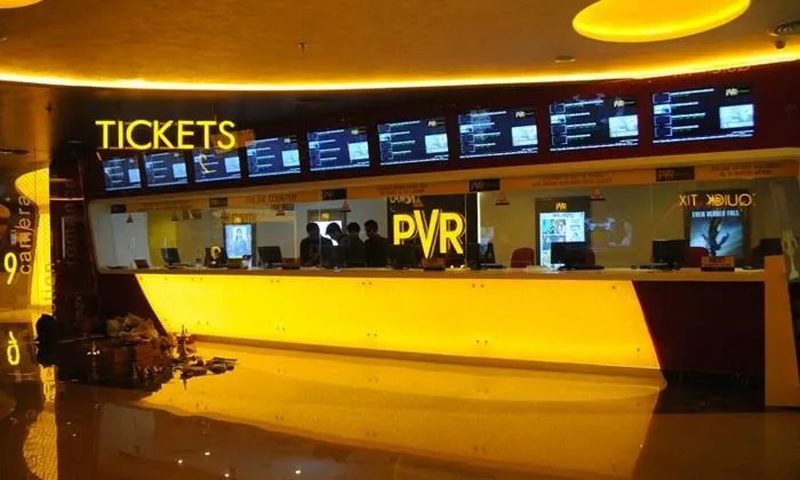
Movie ticket prices in India are among the most politically sensitive prices in the economy. They are capped by governments, fought over in courts, varied by show timing, and taxed differently depending on whether the seat costs more or less than 100 rupees. The price you pay for a cinema ticket is the end product of a three-way negotiation between the exhibitor who owns the screen, the distributor who supplies the film, and the state government that regulates and taxes the transaction.
From entertainment tax to GST
Until 2017, cinema tickets were subject to entertainment tax levied by state governments, and rates varied enormously. Some states charged as little as 20 per cent; others charged 40, 50 or even 60 per cent on top of the base ticket price. This created absurd distortions: the same film could cost nearly twice as much in one state as in a neighbouring one, purely because of tax. States also used entertainment tax as a policy tool, granting tax exemptions to films made in the regional language or deemed socially valuable.
The Goods and Services Tax, rolled out in July 2017, replaced this patchwork with a national structure: 12 per cent GST on tickets priced at 100 rupees or below, and 18 per cent on tickets above 100 rupees. The reform simplified accounting and ended the wildest inter-state variations, but it did not end government involvement in pricing — states retained the power to regulate maximum ticket prices, and several continue to use it.
How states control prices
Cinema exhibition is regulated under state law, and state governments can — and some do — prescribe maximum ticket prices or pricing slabs. Tamil Nadu is the most prominent example: the state has long enforced price caps on cinema tickets, keeping a ceiling that applies even to multiplexes, though premium formats and court battles have complicated enforcement. Andhra Pradesh and Telangana have also intervened in ticket pricing, with governments periodically revising permitted rates after negotiations with the industry.
These caps are politically popular — cheap cinema is a mass welfare good in the public imagination — but exhibitors argue they make the business unviable, especially for multiplexes with high rents and operating costs. The tension periodically erupts into standoffs where theatres threaten shutdowns or refuse to screen films until pricing disputes are resolved.
Who sets what, in short:
- Base price: set by the exhibitor, varying by film, showtime, day and seat category.
- Tax: GST at 12 per cent (tickets up to 100 rupees) or 18 per cent (above 100 rupees).
- Price caps: imposed by some state governments, limiting the maximum chargeable fare.
- Revenue split: negotiated between distributor and exhibitor, determining who keeps what.
Dynamic pricing and the multiplex premium
Where caps do not bind, multiplexes practice sophisticated dynamic pricing. The same seat can cost different amounts depending on whether the film is a much-hyped release or a small drama, whether the show is on a Friday night or a Tuesday morning, and how fast tickets are selling. Weekend evening shows for major releases command the highest prices; weekday morning shows the lowest. Premium formats — IMAX, 4DX, Dolby Cinema, recliner auditoriums — sit at the top of the ladder, sometimes charging three to four times the standard rate.
Single screens operate on the opposite philosophy: simple, low, stable slabs. Their audience is price-sensitive, their halls are large, and their business depends on volume. A single screen that tried multiplex pricing would empty out; a multiplex that tried single-screen pricing could not cover its mall rent.
The economics behind the price
Ticket prices must cover a long chain of costs: the film’s production and marketing, the distributor’s margin, the exhibitor’s rent, staff, electricity and equipment, and the government’s tax. Exhibitors in metro malls face some of the highest commercial rents in the country, which is the structural reason multiplex tickets cost what they do. When audiences complain about 400-rupee tickets, they are largely paying for prime urban real estate with a film attached.
This is also why the industry watches average ticket price as closely as footfall. Rising collections driven purely by price hikes, without growth in the number of tickets sold, signal a shrinking audience paying more — a trend trade analysts consider unhealthy. The ideal is growth in both: more people watching, at sustainable prices.
FAQs
Why do ticket prices vary so much between states? State governments regulate cinema exhibition and some cap maximum prices; local real estate costs, audience purchasing power and competition also differ widely between states and cities.
What GST applies to a 350-rupee ticket? 18 per cent, since the ticket exceeds 100 rupees. Tickets priced at 100 rupees or below attract 12 per cent GST.
Can theatres raise prices for big releases? Where no state cap applies, yes — multiplexes routinely charge premium rates for major releases, especially for weekend evening shows and premium formats.
The movie ticket is a small document of Indian federalism: a national tax, state-level regulation, local market forces and global release strategies, all printed on one slip of paper. Its price tells you as much about where you live as about what you are watching.
Compiled by the Khabar 24h Editorial Desk from publicly available sources.

Khabar 24h Editorial Desk — our explainers are prepared by the Khabar 24h editorial team using AI-assisted research tools, and every piece is reviewed by a human editor before publishing. We do not claim original reporting: our work is turning complex topics into simple, accurate summaries. Spotted an error? Write to contact@khabar24h.com — our corrections policy aims for same-day review.
More from this author →