Single Screens vs Multiplexes: How India’s Two Theatre Worlds Price Movie Tickets
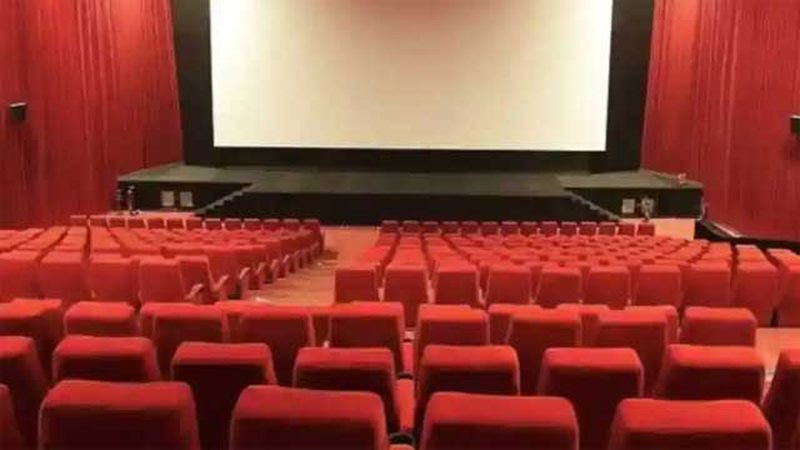
India’s cinemas belong to two different worlds that happen to show the same films. In one, a family of four watches a blockbuster for the price of a multiplex popcorn tub; in the other, a couple pays a thousand rupees for recliners, gourmet nachos and a lounge. The single-screen theatre and the multiplex operate on entirely different economics — different ticket prices, different revenue splits, different audiences — and the tension between them has shaped Indian film exhibition for three decades.
Two buildings, two business models
The single screen is the classic Indian picture palace: one large auditorium, often 800 to 1,200 seats, with tiered pricing across stalls, dress circle and balcony. Many date back decades, and a large number still operate in smaller cities and towns where they remain the primary — sometimes the only — cinema. The multiplex, by contrast, is the modern multi-auditorium complex inside a shopping mall: five to twelve smaller screens of 150 to 300 seats each, plush seating, digital projection, and ticket prices two to four times higher than the single screen down the road.
The economics diverge sharply. A single screen fills its revenue from volume: cheap tickets, massive capacity, and shows that run to packed houses when a star film releases. A multiplex earns from yield: fewer seats per screen but much higher average ticket prices, plus substantial food and beverage income that can account for a third or more of total revenue. For a single screen, the samosa counter is a side business; for a multiplex, concessions are a profit engine.
How ticket prices are actually set
Ticket pricing in India is a negotiation between the exhibitor, the distributor and, in several states, the government. Multiplexes use dynamic pricing: rates vary by film, by show timing, by day of the week, by seat category, and even by demand — weekend evening shows for a big release cost far more than a Tuesday morning show of the same film. Premium formats like IMAX, 4DX and Dolby screens command further premiums.
Single screens traditionally kept pricing simple and low — slabs like 80, 120 and 180 rupees — because their audience is price-sensitive and their halls are too large to fill at multiplex rates. Several state governments also cap cinema ticket prices or prescribe pricing slabs, a legacy of the era when entertainment tax was a state subject and price control was a political tool. Tamil Nadu, for instance, has long regulated maximum ticket prices, which keeps single-screen tickets among the cheapest in the country.
The typical pricing contrast:
- Single screen: fixed low slabs, minimal variation by showtime, caps in some states.
- Multiplex: dynamic pricing by film, timing, format and demand, with premium tiers.
- Food and beverage: modest counters at single screens versus high-margin concessions at multiplexes.
- Revenue per seat: multiplexes earn multiples of what a single-screen seat generates.
The revenue split behind the price
Ticket revenue is divided between the exhibitor (the theatre) and the distributor (who represents the film). The standard Indian arrangement gives the distributor a high share in the first week — often around 50 per cent or more — declining in subsequent weeks as the exhibitor’s share rises. This sliding scale is why theatres fight for big releases: week one of a blockbuster is where the money is. Multiplex chains, with their bargaining power, negotiate their own terms, while independent single screens take what the distributor offers.
For producers, the multiplex audience is disproportionately valuable. Urban multiplex viewers pay more per ticket and drive the opening weekend numbers that make headlines. But the single-screen audience — the mass centres of Uttar Pradesh, Bihar, Maharashtra’s interiors and the South — decides whether a mass-market star film becomes a genuine blockbuster. Films aimed at these audiences live or die on single-screen occupancy.
Why single screens are disappearing
India has lost thousands of single screens over the past two decades. The causes are well documented: rising real estate values make the land under an old cinema worth more than the cinema itself, maintenance costs for ageing buildings keep climbing, and the economics of cheap tickets cannot compete with redevelopment offers. Many single screens have been demolished and replaced by — ironically — multiplexes built on the same plot.
The decline matters beyond nostalgia. Single screens are the most affordable point of cinema access for lower-income audiences, and their disappearance narrows who gets to participate in the theatrical experience. Industry bodies have repeatedly asked state governments for tax relief, lower electricity tariffs for cinemas, and single-window clearances to keep the remaining halls viable.
FAQs
Why are multiplex tickets so much more expensive? Higher real estate and operating costs inside malls, premium seating and projection, dynamic demand-based pricing, and a business model that depends on fewer seats earning more per seat.
Do single screens show films later than multiplexes? Generally no — both play new releases from Friday. But single screens sometimes get fewer shows of a film, or lose screens to bigger releases faster, because distributors prioritise high-yield multiplex screens.
Can state governments cap ticket prices? Yes, and some do. Cinema exhibition is regulated at the state level, and states like Tamil Nadu have enforced maximum ticket prices, though multiplex chains have repeatedly challenged such caps.
India’s two theatre worlds are drifting further apart in price even as they show the same films. The multiplex refined cinema into a premium outing; the single screen kept it a mass celebration. Whether the cheaper world survives the economics of real estate will decide how democratic the big screen remains.
Compiled by the Khabar 24h Editorial Desk from publicly available sources.

Khabar 24h Editorial Desk — our explainers are prepared by the Khabar 24h editorial team using AI-assisted research tools, and every piece is reviewed by a human editor before publishing. We do not claim original reporting: our work is turning complex topics into simple, accurate summaries. Spotted an error? Write to contact@khabar24h.com — our corrections policy aims for same-day review.
More from this author →