Boarding Schools in India: Fees, Culture and How to Decide
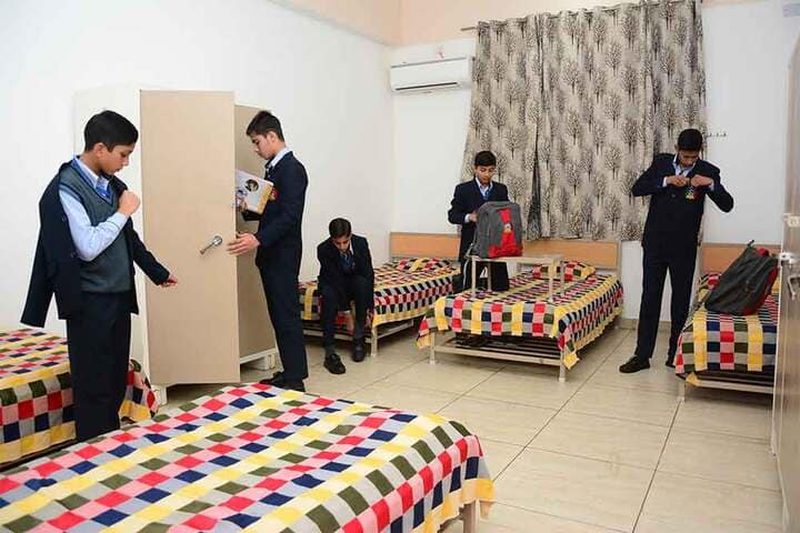
Sending a child away to school at eleven or thirteen is among the biggest decisions an Indian family makes — emotionally and financially. Boarding schools in India, from century-old institutions like Doon School and Mayo College to newer international residential schools, promise something day schools cannot: total immersion in learning, friendships and character-building, round the clock. They also cost 5 to 25 lakh rupees a year and ask children to grow up away from home. This guide examines the fees, the culture and the decision framework honestly.
What boarding school culture is really like
The best residential schools run on structured days: morning PT or sports, classes, supervised prep time, evening activities and lights-out — a routine that builds discipline and time management without parental nagging. Peer learning is intense: living with bright, driven children 24/7 shapes ambition and social skills in ways day schools rarely match. Traditions — house systems, inter-house competitions, student leadership roles — create belonging and identity. The trade-offs are real too: homesickness in the first term is nearly universal, parental influence on daily values shrinks, and some children experience bullying or rigid hierarchies that schools handle with varying competence. Visiting the school, talking to current parents and observing dorm life matters more than any brochure.
Fees: the full picture
Legacy boarding schools charge 8 to 20 lakh rupees a year all-inclusive; newer international residential schools can exceed 20 lakhs. Mid-tier boarding schools in hill stations and smaller cities cost 3 to 8 lakhs. Beyond the headline fee, budget for admission fees, security deposits, uniforms, textbooks, educational trips, personal expenses and annual fee hikes of 5 to 10 per cent. Scholarships exist — many legacy schools offer means-cum-merit aid covering 25 to 100 per cent — but they are competitive and require early application. Calculate the total for six to seven years, not one: boarding school is a multi-crore commitment at the top end.
Academics and outcomes
Top boarding schools follow CBSE, ICSE or IB curricula with strong board results and impressive college placements — Doon, Mayo, Welham, Scindia and Rishi Valley alumni networks open doors for decades. The IB programmes at international residential schools suit families targeting foreign universities. Supervised evening prep means homework actually gets done, and teacher availability beyond class hours helps struggling students. But boarding is not an academic magic wand: a motivated child in a good day school with engaged parents often outperforms a disengaged boarder. Outcomes correlate most with the child’s own drive and the school’s pastoral care quality.
Which children thrive — and which struggle
- Thrive: independent, socially adaptable children who enjoy peer company and structure; children needing distance from distracting home environments; sports and arts talents needing residential training facilities.
- Struggle: highly anxious children, those with unresolved health or emotional needs, children who recharge through solitude and family time, and those sent primarily because parents want them out of the way.
- Age matters: Class 6-7 entry is standard; sending a young child who is not ready causes more harm than a delayed start.
- Never use boarding school as punishment or as a fix for behavioural problems — it amplifies them.
How to choose the right school
Shortlist by curriculum fit, then visit: inspect dormitories, dining halls and bathrooms, not just classrooms. Ask about pastoral care — housemaster-to-student ratios, counsellor availability, anti-bullying policies and medical facilities. Talk to current parents about communication: how often can children call home, and how transparent is the school about problems? Check university placements and, crucially, student well-being indicators — a school that produces toppers but burns out children is a bad bargain. Apply to three to five schools; admissions involve tests, interviews and often prior academic records.
FAQs
What is the right age for boarding school?
Class 6-7 (ages 11-13) is the standard entry point. The child should show independence, social ease and genuine willingness — never force an unwilling child.
Are scholarships available?
Yes. Many established schools offer means-cum-merit scholarships from 25 to 100 per cent. Apply early and ask directly — schools do not always advertise them.
Do boarders lose touch with family?
Not if the family works at it. Regular calls, involved holidays and attending school events keep bonds strong; distance often improves parent-child relationships by removing daily friction.
Boarding school is a powerful option for the right child at the right school — a forge for independence, friendships and character. It is also expensive, emotionally demanding and irreversible mid-stream without cost. Decide with the child, not for the child, and choose the school’s pastoral heart over its brand name.
Source: The Times of India

Khabar 24h Editorial Desk — our explainers are prepared by the Khabar 24h editorial team using AI-assisted research tools, and every piece is reviewed by a human editor before publishing. We do not claim original reporting: our work is turning complex topics into simple, accurate summaries. Spotted an error? Write to contact@khabar24h.com — our corrections policy aims for same-day review.
More from this author →