Study in Ireland: Why Indian Students Are Choosing It Over the UK
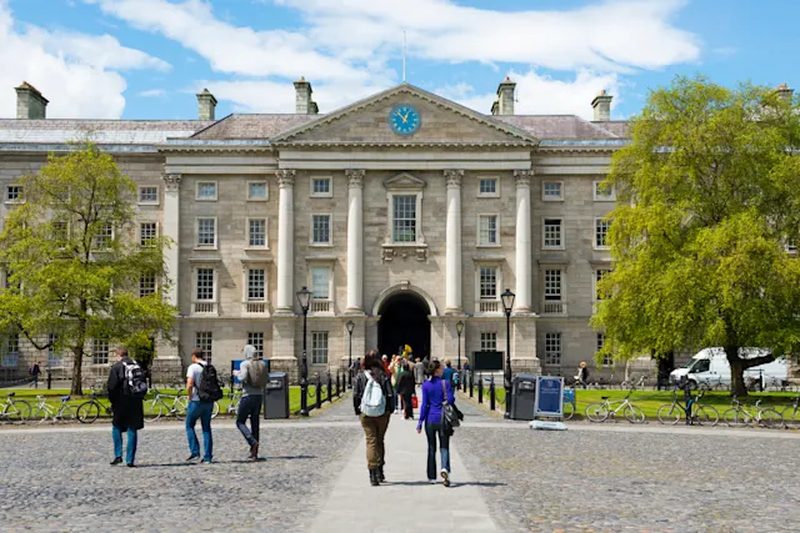
For years, the United Kingdom was the default study-abroad destination for Indian students who wanted an English-speaking country with world-class universities. That picture is changing fast. Study in Ireland is now one of the fastest-growing choices among Indian applicants, with Indian student numbers crossing 10,000 in recent years and still climbing. The reasons are practical rather than romantic: tuition fees that run 20 to 30 per cent lower than comparable UK programmes, a two-year post-study work visa for graduates, and an economy packed with the European headquarters of Google, Apple, Meta, Microsoft and Pfizer. For a student weighing cost against career outcomes, Ireland increasingly wins the argument.
Why Ireland is suddenly on every counsellor’s list
Ireland offers a rare combination: it is English-speaking, part of the European Union, and small enough that its universities stay closely connected to employers. Undergraduate and postgraduate degrees are taught in English, the academic calendar and teaching style feel familiar to Indian students, and Dublin, Cork and Galway have growing Indian communities with restaurants, grocery stores and cultural associations. The country’s corporation-tax policy has pulled in hundreds of multinationals, which means internships and graduate jobs in technology, pharmaceuticals, finance and data analytics are concentrated in a job market of just over five million people. That concentration is exactly what makes placements easier than in larger, more crowded markets.
What it actually costs to study in Ireland
Tuition for a one-year taught master’s, the most popular route for Indians, typically ranges from 12,000 to 25,000 euros depending on the university and subject, with MBAs and some specialised programmes costing more. Undergraduate degrees run three to four years and cost roughly 10,000 to 20,000 euros a year. Living expenses are the bigger variable: Dublin is expensive, and students should budget about 12,000 to 15,000 euros a year for rent, food and transport, while Cork, Limerick and Galway are noticeably cheaper. On top of tuition, the visa process requires showing access to about 10,000 euros per year of study as maintenance funds. Scholarships from universities and the Government of Ireland International Education Scholarship, which offers a full year’s tuition plus a 10,000-euro stipend, can meaningfully reduce the bill for strong applicants.
The two-year post-study work visa changes the maths
The single biggest draw is the Third Level Graduate Scheme, which lets graduates of Irish institutions stay and work for up to two years after completing a Level 8 qualification or higher, which includes most bachelor’s and master’s degrees. There is no job offer required to get this permission, and no salary threshold during the period. Students use these two years to convert an entry-level role into a sponsored Critical Skills Employment Permit, which can lead to permanent residency. Compare that with the UK, where the Graduate Route gives two years as well but sits inside a much larger and more competitive graduate market, and where recent policy tightening has made dependants and long-term settlement harder. In Ireland the pathway from classroom to career feels shorter and more predictable.
Top universities and the courses Indians pick
Trinity College Dublin and University College Dublin lead the rankings, followed by University of Galway, University College Cork, Dublin City University and Maynooth University. Indian students cluster in a few high-employability fields, and universities have responded with programmes designed around them:
- Data science, artificial intelligence and computer science, feeding directly into Dublin’s tech corridor.
- Pharmaceutical and biomedical sciences, aligned with Ireland’s huge pharma manufacturing base.
- Business analytics, finance and accounting, popular at UCD’s Smurfit and Trinity Business School.
- Engineering and construction management, supported by Ireland’s infrastructure boom.
One-year master’s programmes are the sweet spot: they keep total costs down and get graduates into the job market quickly.
How to apply and get the student visa
Applications go directly to each university through its online portal, usually opening around October for the following September intake, with a smaller January intake at some institutions. You will need academic transcripts, an English test score such as IELTS or PTE, a statement of purpose and reference letters. Once you have an unconditional offer and pay a deposit, you apply for the Stamp 2 student visa through the Irish visa office, showing the offer letter, fee payment, maintenance funds and medical insurance. Processing typically takes six to eight weeks. Students on a Stamp 2 can work 20 hours a week during term and 40 hours during holidays, which helps with living costs.
FAQs
Is Ireland cheaper than the UK for Indian students?
In most cases, yes. Tuition is generally 20 to 30 per cent lower for comparable programmes, and one-year master’s degrees mean one year of living costs instead of the longer commitments common elsewhere. Dublin rents are high, but smaller cities are affordable.
Can I stay in Ireland after my degree?
Yes. Graduates with a Level 8 or higher qualification can stay for two years under the Third Level Graduate Scheme without needing a job offer first, and many transition to work permits and long-term residence from there.
Do I need to learn Irish?
No. Irish is a national language, but every university course for international students is taught in English, and English is the working language of business.
The bottom line is straightforward: Ireland gives Indian students the English-speaking degree, the EU location and the post-study runway of the UK, at a lower price and with a less crowded job market. It is not a shortcut — competition for top programmes and Dublin housing is real — but for students who plan carefully, apply early and target employable fields, it is one of the strongest value propositions in study abroad today.
Source: Education in Ireland, Government of Ireland

Khabar 24h Editorial Desk — our explainers are prepared by the Khabar 24h editorial team using AI-assisted research tools, and every piece is reviewed by a human editor before publishing. We do not claim original reporting: our work is turning complex topics into simple, accurate summaries. Spotted an error? Write to contact@khabar24h.com — our corrections policy aims for same-day review.
More from this author →