How to Read a Company’s Balance Sheet: Assets, Liabilities and Red Flags
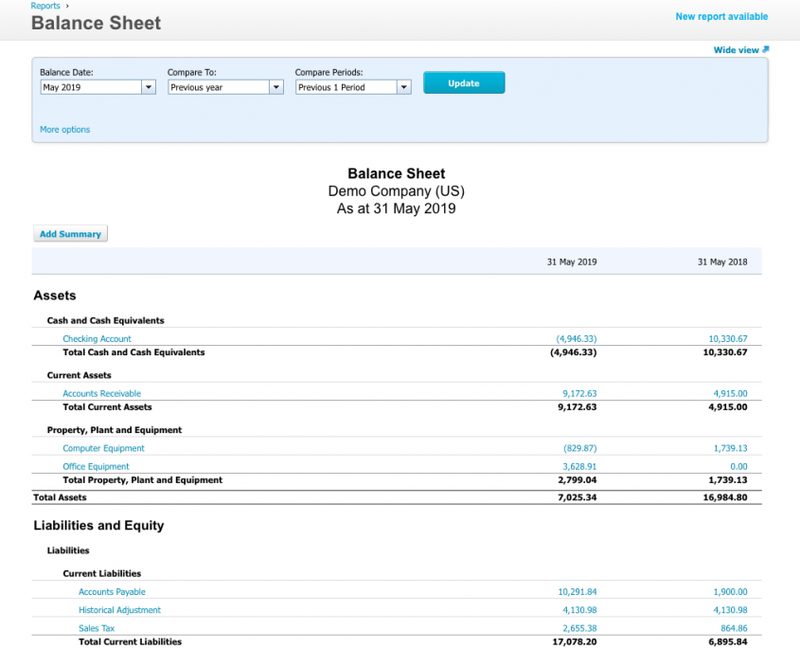
The balance sheet is the most honest document a company publishes — a snapshot, on a single date, of everything it owns, everything it owes, and what would be left for shareholders if it all settled up. Investors who learn to read it can spot strength, stress and outright fiction before the market does. This guide walks through assets, liabilities and equity in plain language, and the red flags that deserve your suspicion.
The fundamental equation
Every balance sheet obeys one equation: assets equal liabilities plus equity. What the company owns — cash, factories, inventory, receivables — was funded either by borrowing (liabilities) or by shareholders’ money (equity). The statement lists assets in order of liquidity, from cash down to long-term plant and intangibles, and liabilities in order of urgency, from payables due next month to bonds maturing in a decade. Equity — share capital plus accumulated retained profits — is the residual claim. When you grasp that the two sides must always balance, the statement stops being intimidating and starts being logical.
Reading the assets side
Start with current assets: cash and equivalents, short-term investments, trade receivables (money customers owe) and inventory. Compare receivables and inventory with sales — if receivables grow far faster than revenue, the company may be stuffing channels or struggling to collect. Then non-current assets: property, plant and equipment, long-term investments and intangible assets like goodwill. Goodwill deserves scepticism: it represents premiums paid for acquisitions, and bloated goodwill that never gets impaired can hide overpayment for years. Capital work-in-progress swelling without completion dates is another classic warning.
Reading liabilities and equity
On the other side, separate interest-bearing debt from operational liabilities. Short-term borrowings and the current portion of long-term debt reveal immediate repayment pressure; compare total debt with equity (the debt-equity ratio) and with operating profits (interest coverage). Trade payables growing faster than purchases can signal cash stress — the company paying suppliers late. In equity, watch retained earnings: years of profits should accumulate here, and a profitable company with mysteriously flat reserves may be leaking money through dividends to promoters or dubious related-party transactions.
- Receivables vs sales: receivables growing faster than revenue signals collection problems.
- Debt-equity: high leverage magnifies both returns and ruin — check interest coverage too.
- Goodwill: large, unimpaired goodwill may hide overpriced acquisitions.
- Cash vs profits: persistent profits with no cash accumulation deserve investigation.
Red flags that matter most
A few patterns catch most frauds and failures. Cash flow from operations consistently trailing reported profits — profits are an opinion, cash is a fact. Frequent auditor resignations or qualifications. Related-party transactions large enough to move the needle. Pledged promoter shares rising, signalling the owners are borrowing against their own stake. Contingent liabilities in the footnotes — guarantees, disputed tax demands — that dwarf net worth. And the simplest: a balance sheet that keeps growing through debt while the business visibly stagnates. No single flag proves wrongdoing, but three together warrant walking away.
The balance sheet never travels alone — pair it with the cash flow statement before concluding anything. Operating cash flow should broadly track reported profits over multi-year periods; a company whose profits soar while operating cash stagnates is booking earnings it never collects. Also read the notes to accounts, where the real confessions hide: accounting policy changes, related-party transaction details, contingent liabilities and auditor remarks. Management commentary in the annual report then tells you the story they want told — your job is to check whether the numbers agree. A balance sheet read alongside cash flows and footnotes turns from a static snapshot into a motion picture of financial health.
FAQs
What is a healthy debt-equity ratio? It varies by industry — capital-intensive businesses carry more — but compare with sector peers and ensure operating profits cover interest comfortably, ideally several times over.
Where do I find a company’s balance sheet? In its annual report and on stock exchange filings — listed Indian companies publish quarterly and annual financials on the BSE and NSE websites.
Can a company with a strong balance sheet still fail? Yes — liquidity crises, fraud and sudden demand collapses can sink solid-looking balance sheets. It is necessary evidence, not sufficient.
Reading a balance sheet is less about accounting expertise than about asking sceptical questions: where is the cash, who owes whom, and does the story hang together? Master those questions and financial statements become what they were meant to be — a window, not a wall.
Compiled by the Khabar 24h Editorial Desk from publicly available sources.

Khabar 24h Editorial Desk — our explainers are prepared by the Khabar 24h editorial team using AI-assisted research tools, and every piece is reviewed by a human editor before publishing. We do not claim original reporting: our work is turning complex topics into simple, accurate summaries. Spotted an error? Write to contact@khabar24h.com — our corrections policy aims for same-day review.
More from this author →