Input Tax Credit: How GST’s Core Mechanism Works for Businesses
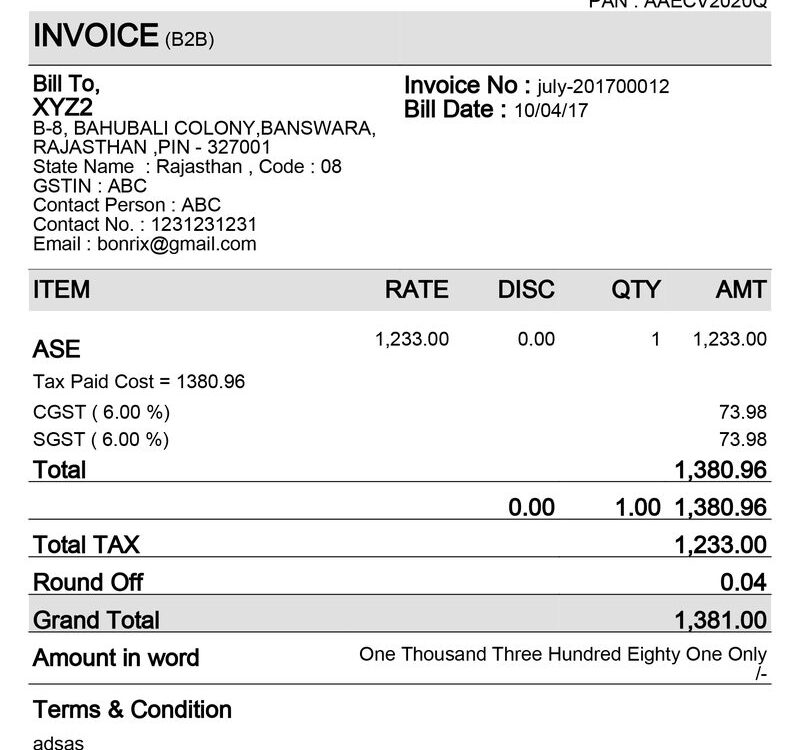
Input tax credit is the mechanism that makes GST a tax on value added rather than a tax on every transaction — and the single most valuable feature of registration for most businesses. In plain terms: the GST you pay on your business purchases can be subtracted from the GST you collect on your sales, so you remit only the tax on the value you added. When it works, it eliminates the cascading taxes of the old regime. When it breaks — mismatched invoices, blocked credits, fraud-driven crackdowns — it becomes the commonest source of GST disputes. Here is how ITC really works.
The core mechanism
Consider a manufacturer who buys raw material for 1 lakh rupees plus 18,000 GST, converts it, and sells the finished goods for 2 lakhs plus 36,000 GST. Without ITC, tax of 54,000 would cascade through the chain; with ITC, the manufacturer claims credit of the 18,000 already paid and remits only 18,000 — the tax on the 1 lakh of value added. The chain continues: the wholesaler and retailer each claim credit for the tax paid on their purchases and remit tax only on their margins. The consumer at the end bears the full tax with no credit — as intended, since GST is a consumption tax. This seamless flow is what distinguishes GST from the old excise-plus-VAT maze, where taxes stacked invisibly at every stage.
How to claim it: the compliance chain
ITC is not automatic — it must be claimed correctly every month. Four conditions govern eligibility: you must possess a valid tax invoice, the goods or services must have been actually received, your supplier must have filed their GSTR-1 return reporting the sale and paid the tax, and you must have filed your GSTR-3B return. The GSTR-2B statement auto-generated on the portal shows the ITC available to you based on suppliers’ filings — claim only what appears there, because the system now restricts credit to matched invoices. Reconcile your purchase register with GSTR-2B monthly; chasing suppliers for missing filings at year-end is painful and sometimes futile. Pay vendors on time too — if you do not pay a supplier within 180 days, the ITC claimed must be reversed with interest.
Blocked credits and reversals
Not everything qualifies. Section 17(5) blocks ITC on motor vehicles (with exceptions for dealers and transporters), food and beverages, outdoor catering, beauty treatment, health services, cosmetic surgery, life and health insurance, works contracts for immovable property, and goods lost, stolen or destroyed — among others. Personal-use purchases never qualify. Mixed-use businesses must apportion: ITC on inputs used for exempt supplies or non-business purposes must be reversed under detailed rules. These blocked credits are where audits bite — claiming ITC on the office Diwali catering or the director’s car is a classic adjustment that arrives with interest and penalty.
- Claim only matched credit: GSTR-2B is the bible — reconcile monthly.
- Four conditions: valid invoice, actual receipt, supplier filed and paid, you filed GSTR-3B.
- 180-day rule: pay suppliers within 180 days or reverse the credit with interest.
- Blocked list: vehicles, food, personal insurance, works contracts — know Section 17(5).
Protecting your ITC in a crackdown era
Tax authorities have intensified action against fake-invoice ITC fraud, and honest businesses get caught in the crossfire when a supplier in their chain turns out to be fictitious. Protect yourself with basic diligence: verify new suppliers’ GSTIN status on the portal, insist on e-invoices from mandated turnover categories, keep transport and delivery documentation proving actual receipt of goods, and monitor your GSTR-2B for invoices you never received — fraudsters sometimes park fake purchases in genuine buyers’ statements. ITC is your money; treat its compliance with the seriousness of cash handling.
FAQs
Can I claim ITC on last year’s invoices? Time limits apply — generally the earlier of the November return following the financial year or the annual return filing date. Do not let credits expire.
Does the composition scheme allow ITC? No — composition dealers cannot claim input tax credit, a key reason B2B suppliers avoid the scheme.
What if my supplier does not file GSTR-1? The credit will not appear in your GSTR-2B and you cannot claim it — follow up with the supplier or factor the loss into pricing.
Input tax credit is GST’s promise made real: tax only the value you add. Claim it through matched invoices, respect the blocked list, pay suppliers on time — and the mechanism that was designed to unburden business will do exactly that.
Compiled by the Khabar 24h Editorial Desk from publicly available sources.

Khabar 24h Editorial Desk — our explainers are prepared by the Khabar 24h editorial team using AI-assisted research tools, and every piece is reviewed by a human editor before publishing. We do not claim original reporting: our work is turning complex topics into simple, accurate summaries. Spotted an error? Write to contact@khabar24h.com — our corrections policy aims for same-day review.
More from this author →