Measles, Chickenpox and Common Childhood Rashes: How to Tell Them Apart
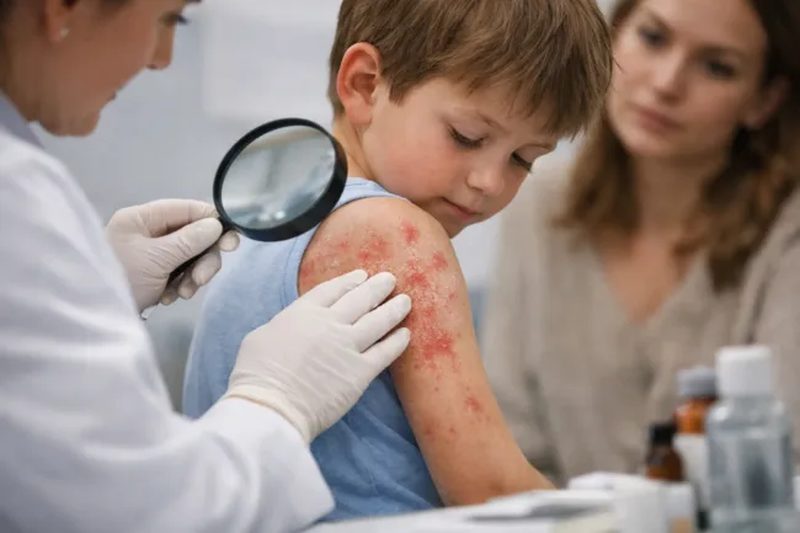
A rash on a child triggers instant parental alarm, and understandably so: rashes can signal anything from a passing virus to an emergency. But most childhood rashes are benign viral exanthems, and telling the common ones apart, measles, chickenpox, hand-foot-mouth disease, roseola and others, helps parents respond proportionately instead of panicking. Each has a characteristic pattern, timing and company of symptoms. This guide maps the common rashes, their distinguishing features, and the red flags that truly warrant urgency.
Measles: the dangerous one
Measles announces itself in stages: high fever, cough, runny nose and red eyes for three to four days, then a red blotchy rash starting at the hairline and spreading downward to cover the body. Koplik spots, tiny white dots inside the cheeks, are a diagnostic giveaway before the rash. Measles is ferociously contagious and genuinely dangerous: pneumonia, diarrhoea, brain inflammation and a fatal late complication (SSPE) make it a killer, which is why the vaccine at 9 months and 16-24 months is non-negotiable. Any unvaccinated child with this pattern needs prompt medical care and isolation. Vitamin A supplementation during measles reduces complications, per WHO guidance.
Chickenpox: the itchy crops
Chickenpox (varicella) produces intensely itchy blisters that appear in successive crops, so spots at different stages, red bumps, fluid-filled blisters and scabs, coexist. The rash concentrates on the trunk and face, with fewer lesions on the limbs, and often involves the scalp and mouth. Mild fever accompanies it. Most cases resolve in a week with supportive care: calamine lotion, lukewarm baths, trimmed nails and antihistamines for itch; aspirin must be avoided. Complications are uncommon in healthy children but the disease is worse in adolescents, adults and newborns. The vaccine, available privately in India, is worth discussing with your paediatrician.
Hand, foot and mouth disease
HFMD, covered in detail elsewhere in this series, shows spots on the palms, soles and inside the mouth, sometimes the buttocks, following a day or two of fever. The distribution is the clue: mouth plus hands plus feet points here, unlike chickenpox’s trunk-centred crops. It is usually mild and self-limiting, with care focused on fluids and pain relief. Enterovirus 71 strains can rarely cause neurological complications, so persistent high fever, drowsiness or limb weakness need evaluation.
Roseola, scarlet fever and others
Roseola strikes infants: three to four days of high fever in a surprisingly well child, then the fever breaks and a pink rash blooms on the trunk as temperature normalises. Scarlet fever pairs strep throat with a sandpaper-textured rash and strawberry tongue, needing antibiotics. Fifth disease (slapped-cheek syndrome) gives bright red cheeks followed by a lacy body rash. Heat rash produces tiny prickly bumps in skin folds during hot weather. Allergic rashes itch intensely, come and go, and lack the fever-rash sequence of viral exanthems. Kawasaki disease, with prolonged fever, red eyes, cracked lips and rash, is the important mimic to catch early since it affects the heart.
Red flags: when a rash is an emergency
Most rashes can wait for a routine visit; some cannot.
- Non-blanching rash: spots that do not fade when pressed with a glass (tumbler test) suggest bleeding under the skin; seek emergency care.
- Rash with breathing difficulty or swelling: possible severe allergy.
- Rash with persistent high fever and lethargy: possible serious infection.
- Purple bruise-like spots: can indicate meningococcemia or platelet problems.
- Rash with neck stiffness or confusion: possible meningitis.
When in doubt, photograph the rash’s evolution and show the doctor; the pattern over time often clinches the diagnosis.
FAQs
Should rashes be treated with creams? Most viral rashes need no creams; calamine soothes itch, but steroid creams should not be applied without medical advice.
Can children with rashes bathe? Yes. Lukewarm baths soothe and do not spread most rashes; avoid scrubbing blisters.
When can the child return to school? When fever-free and comfortable: chickenpox until all blisters crust, measles for four days after rash onset, HFMD until eating reasonably.
Childhood rashes are mostly the immune system doing its job visibly. Learn the patterns, respect the red flags, vaccinate against the preventable ones, and most rashes become a week of calamine and patience rather than a crisis. Keep a photo diary of any rash’s progression; dated pictures help the doctor diagnose accurately at the visit.
Compiled by the Khabar 24h Editorial Desk from publicly available sources.

Khabar 24h Editorial Desk — our explainers are prepared by the Khabar 24h editorial team using AI-assisted research tools, and every piece is reviewed by a human editor before publishing. We do not claim original reporting: our work is turning complex topics into simple, accurate summaries. Spotted an error? Write to contact@khabar24h.com — our corrections policy aims for same-day review.
More from this author →