2019 Mars Quake Left 27 Boulder Trails, Study Finds
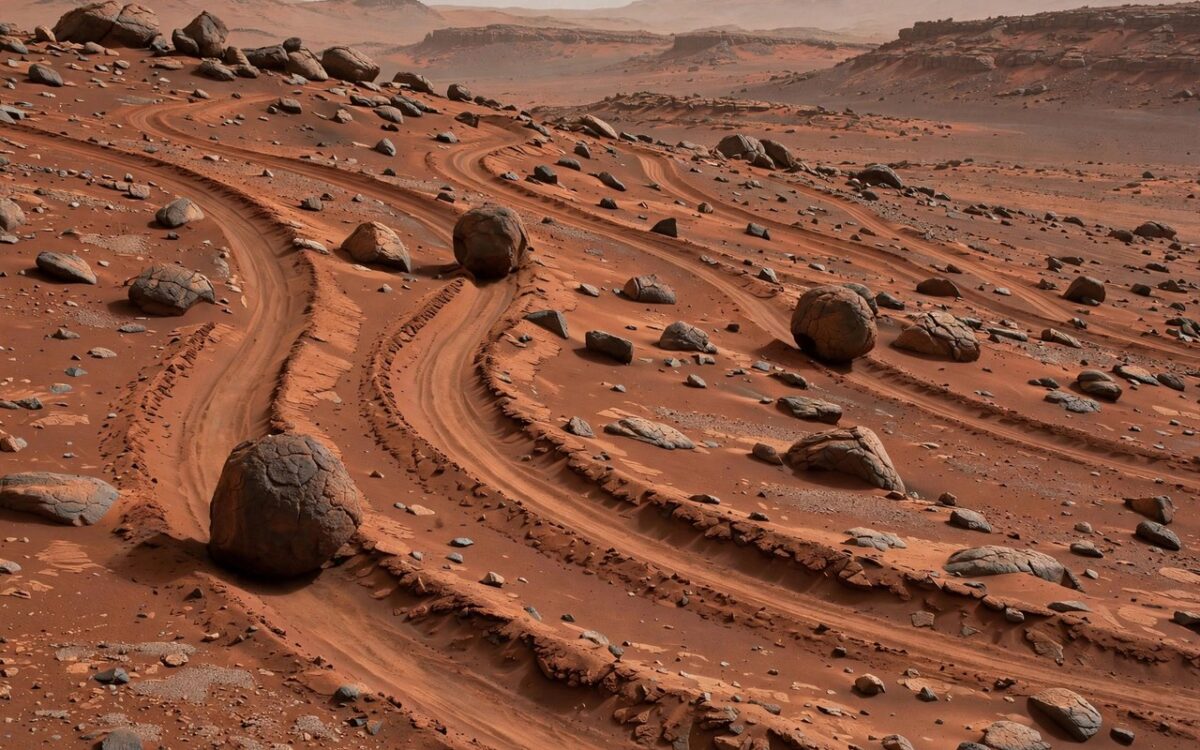
A marsquake in July 2019 shook boulders loose on the red planet. Scientists have now mapped 27 boulder tracks near Cerberus Fossae.
The study was published on September 2 in npj Space Exploration. Researchers matched the tracks to the quake's epicentre.
Mars has no plate tectonics like Earth. Its quakes come from the planet slowly cooling and cracking.
The boulders rolled downhill after the shaking. Their trails point back to where the quake struck.
NASA's InSight lander recorded the quake in 2019. It was one of the strongest marsquakes ever detected.
The finding helps scientists map risky zones. Future missions can avoid areas prone to shaking.
Cerberus Fossae is a young crack system on Mars. It remains one of the most active regions on the planet.
InSight stopped working in 2022. Its data keeps producing new findings. Scientists hope future landers carry better seismometers.
The tracks will guide future rovers. Steep slopes near faults may be avoided. The study adds to Mars safety maps.

Khabar 24h Editorial Desk — our explainers are prepared by the Khabar 24h editorial team using AI-assisted research tools, and every piece is reviewed by a human editor before publishing. We do not claim original reporting: our work is turning complex topics into simple, accurate summaries. Spotted an error? Write to contact@khabar24h.com — our corrections policy aims for same-day review.
More from this author →
Leave a Reply