Study shows non-invasive clearance of ALS protein clumps
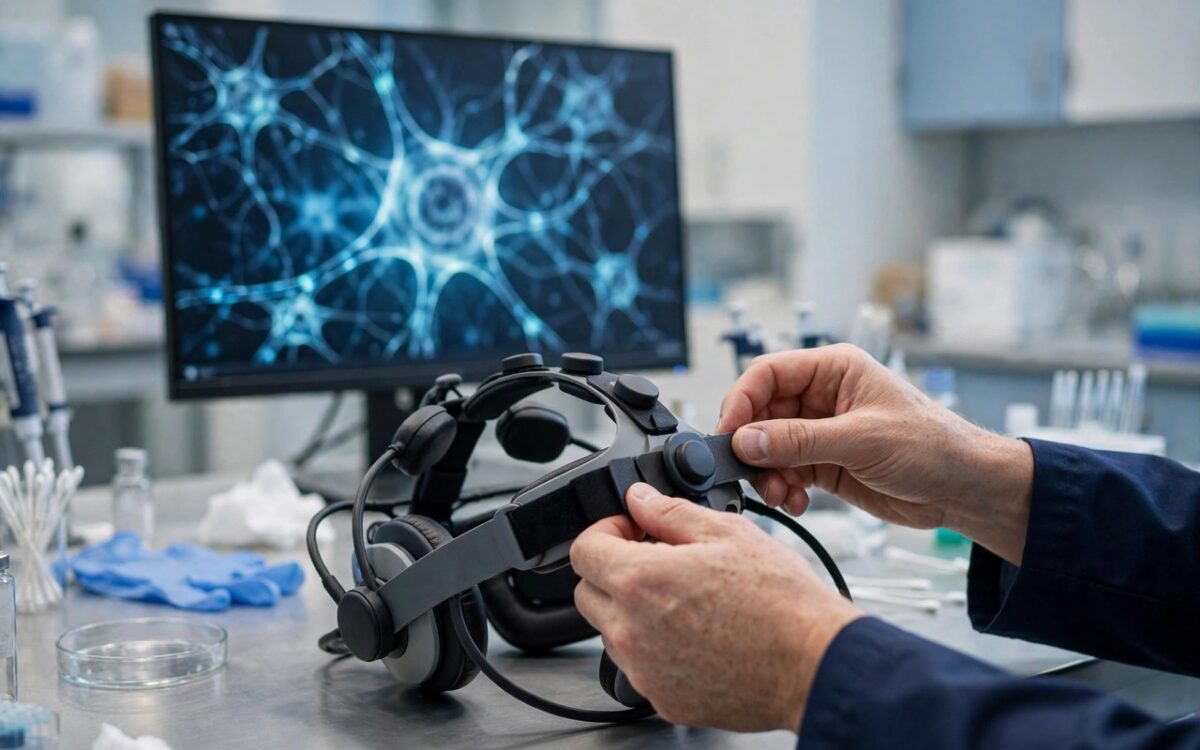
A peer-reviewed study has for the first time shown that a non-invasive brain-stimulation technology can clear toxic TDP-43 protein clumps in an ALS mouse model. PathMaker Neurosystems announced the publication in Neuromodulation, the journal of the International Neuromodulation Society. After four weeks of multi-site direct current stimulation, three times a week, stimulated mice showed a statistically significant 76 per cent reduction in TDP-43 particles per motor neuron compared with unstimulated mice. Motor function improved and motor neuron size was preserved. Stimulated mice also showed higher levels of HSP70, a molecular chaperone that helps clear misfolded proteins. The study was led by senior author Dr Zaghloul Ahmed of CUNY College of Staten Island, PathMaker's scientific founder. TDP-43 clumps appear in about 97 per cent of ALS cases and are thought to drive the disease, but no approved therapy has reduced them. "For the first time, we have shown" the technology can cut the toxic aggregates, said CEO Nader Yaghoubi. The firm says its second ALS clinical trial is nearing full enrolment.

Khabar 24h Editorial Desk — our explainers are prepared by the Khabar 24h editorial team using AI-assisted research tools, and every piece is reviewed by a human editor before publishing. We do not claim original reporting: our work is turning complex topics into simple, accurate summaries. Spotted an error? Write to contact@khabar24h.com — our corrections policy aims for same-day review.
More from this author →
Leave a Reply