Scientists Find Lipid That Helps Cells Repair Torn Membranes
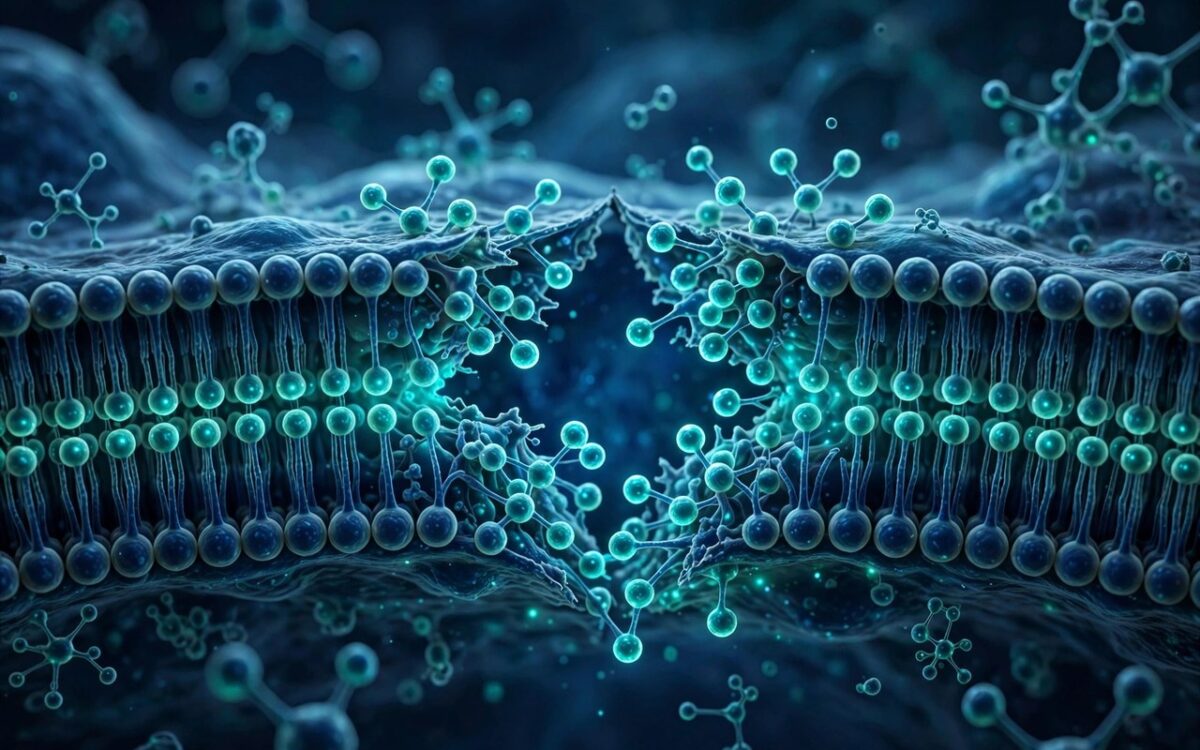
Scientists have discovered how cells patch up their own torn outer membranes — and the key is a fatty molecule called 12-HHT. The study, led by Yuan Chi and published in the Journal of Cell Biology, maps a repair pathway with big medical potential.
When a cell membrane is punctured — by toxins like pneumolysin or physical injury — the cell releases tiny vesicles and activates a receptor called BLT2 using 12-HHT. This triggers Rac1, a protein that rebuilds the actin skeleton, sealing the tear. Without this pathway, damaged cells die.
The researchers showed that blocking 12-HHT production — which is what aspirin does — weakens the repair response. That could explain some effects of anti-inflammatory drugs on tissue healing.
The findings matter because membrane damage is central to infections, muscle diseases and injuries. Understanding the body's own repair kit could one day lead to drugs that help cells heal faster.
Sources: phys.org; rupress.org.

Khabar 24h Editorial Desk — our explainers are prepared by the Khabar 24h editorial team using AI-assisted research tools, and every piece is reviewed by a human editor before publishing. We do not claim original reporting: our work is turning complex topics into simple, accurate summaries. Spotted an error? Write to contact@khabar24h.com — our corrections policy aims for same-day review.
More from this author →
Leave a Reply