Webb Makes First Detection of Methyl Radical Around Dying Star
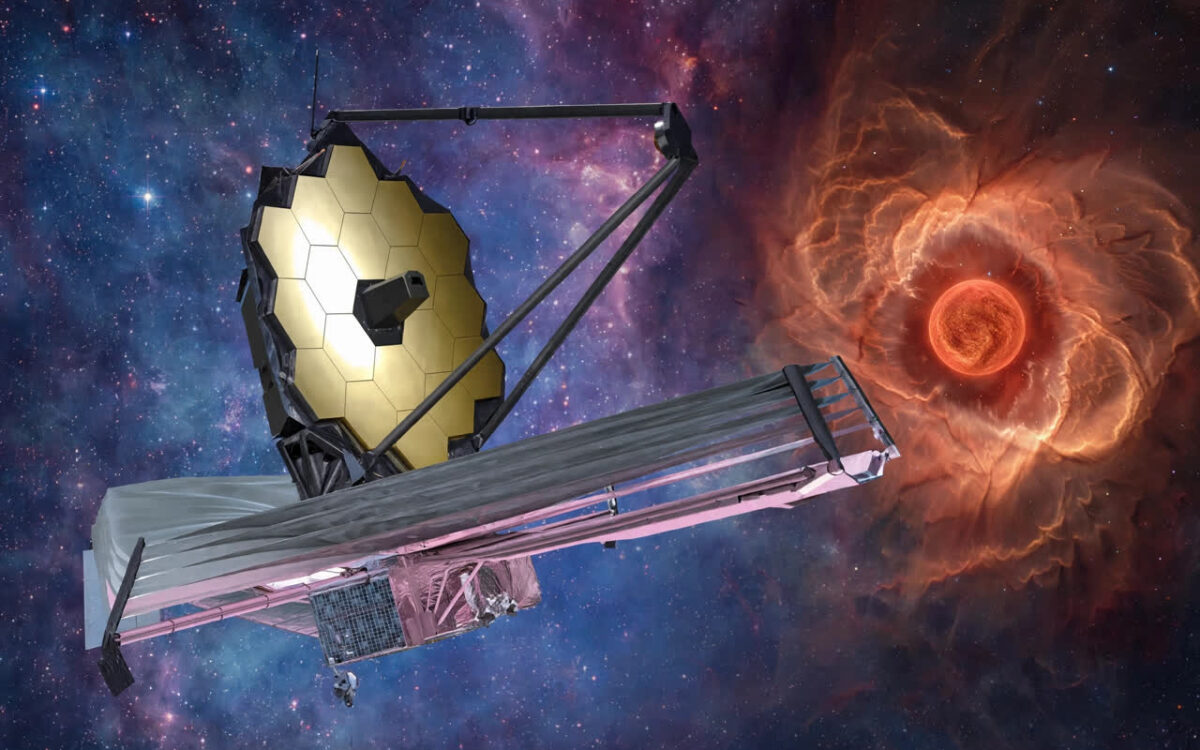
Astronomers have made the first secure detection of the elusive methyl radical, CH3, around a dying star, using NASA’s James Webb Space Telescope.
The discovery concerns SMP LMC 011, a highly evolved carbon-rich star in the Large Magellanic Cloud, reported by a team led by IAC postdoctoral researcher Jialu Li and published in The Astrophysical Journal Letters. The study is part of the international JWST Proto-PAH Project.
The methyl radical is one of the most reactive and short-lived molecules in space, with an unpaired electron, and barely leaves a fingerprint telescopes can see. Webb’s extraordinary sensitivity made the direct detection — and a measurement of its abundance — possible.
Surprisingly, the amount of methyl found is far too high for ordinary chemistry to explain. The team believes carbon dust grains are being eroded by ultraviolet light and shocks, releasing the molecule and feeding the growth of larger aromatic compounds — the first steps toward molecular complexity in the universe.

Khabar 24h Editorial Desk — our explainers are prepared by the Khabar 24h editorial team using AI-assisted research tools, and every piece is reviewed by a human editor before publishing. We do not claim original reporting: our work is turning complex topics into simple, accurate summaries. Spotted an error? Write to contact@khabar24h.com — our corrections policy aims for same-day review.
More from this author →
Leave a Reply