Nobel medicine prize goes to optogenetics pioneers
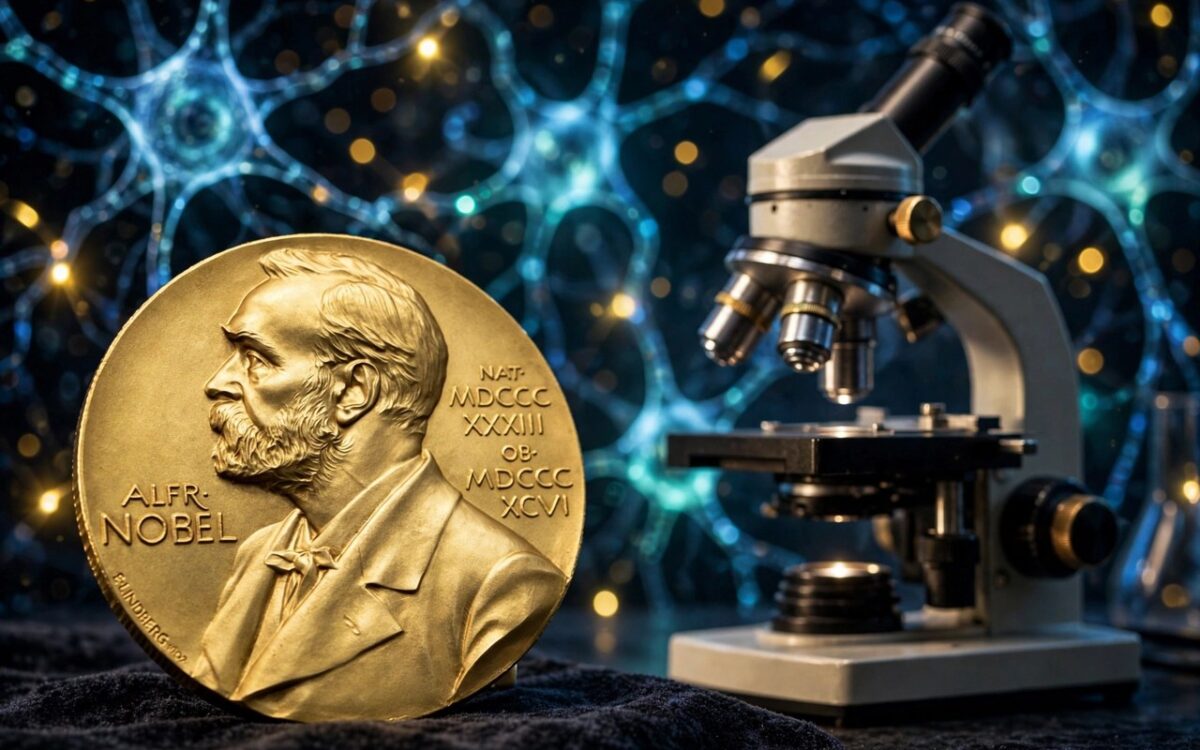
The 2026 Nobel Prize in Physiology or Medicine has been awarded to Karl Deisseroth, Peter Hegemann and Georg Nagel for “their discoveries concerning light-gated ion channels and optogenetics,” the Nobel Assembly at Karolinska Institutet announced on Monday.
Deisseroth works at Stanford University and the Howard Hughes Medical Institute in the United States. Hegemann is at Humboldt University in Berlin, and Nagel at the University of Würzburg, both in Germany.
Optogenetics lets scientists control brain cells with light. It uses light-sensitive proteins called channelrhodopsin, first found in green algae by Hegemann. Deisseroth showed these proteins could be placed into neurons of living animals. Thin fibres then shine light onto the cells to switch them on or off, revealing how brain circuits drive behaviour.
The method has become a standard tool for thousands of neuroscience teams. It is now being used to study Parkinson’s disease, epilepsy, anxiety and depression.
Last year’s medicine prize went to Mary E. Brunkow, Fred Ramsdell and Shimon Sakaguchi for work on how the immune system keeps itself in check.

Khabar 24h Editorial Desk — our explainers are prepared by the Khabar 24h editorial team using AI-assisted research tools, and every piece is reviewed by a human editor before publishing. We do not claim original reporting: our work is turning complex topics into simple, accurate summaries. Spotted an error? Write to contact@khabar24h.com — our corrections policy aims for same-day review.
More from this author →
Leave a Reply