Silent artery plaque study, explained: what REACT found
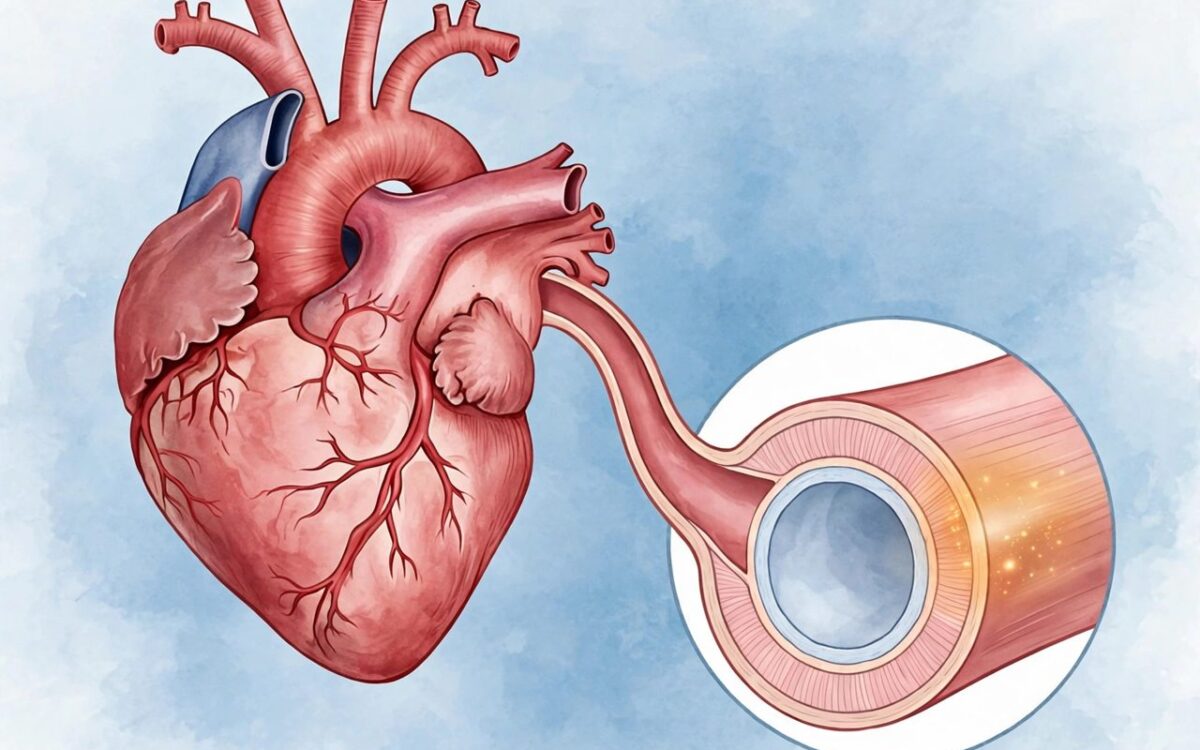
The REACT study found silent artery plaque in one in 13 adults under 30. Here is what the research means in plain terms.
Atherosclerosis is the slow buildup of plaque inside artery walls. It causes most heart attacks and strokes. The damage usually builds quietly for decades before any symptoms appear.
REACT is one of the largest efforts to map this hidden disease across adult life. Phase one examined more than 16,000 people with no symptoms or heart disease history.
Researchers found plaques in 57.1 per cent of participants. The study was presented at the ESC Congress 2026 and published in the New England Journal of Medicine.
Men developed plaque five to 10 years earlier than women. Women saw the steepest rise between ages 40 and 60.
Common risk calculators missed many cases. Knowing the disease is actually present, rather than estimating risk, changes the picture for prevention.
Professor Henning Bundgaard, who led the study, says the goal is early detection through vascular imaging. Portable ultrasound could one day spot hidden plaque more widely.
The study does not say everyone needs scans. It says heart health starts earlier than we thought.
Related stories
View all →
Bitcoin’s $83,000 rebound explained
Why bitcoin bounced above $83,000: Trump's Iran statement, ETF outflows, and the key levels traders watch.

Starlink Mobile explained: SpaceX’s carrier play
How SpaceX's 800 MHz spectrum deal and 15,000 new satellites could turn Starlink Mobile into a US carrier.

El Nino explained: why Maharashtra is parched
What El Nino is, how it weakens the monsoon, and why it left Maharashtra declaring drought in 265 talukas.

Khabar 24h Editorial Desk — our explainers are prepared by the Khabar 24h editorial team using AI-assisted research tools, and every piece is reviewed by a human editor before publishing. We do not claim original reporting: our work is turning complex topics into simple, accurate summaries. Spotted an error? Write to contact@khabar24h.com — our corrections policy aims for same-day review.
More from this author →
Leave a Reply